The Election Commission of India (ECI) has reversed an earlier change to Form 6, the application for eligible citizens to register as voters, in an ongoing row over Special Intensive Revision (SIR) of electoral rolls.
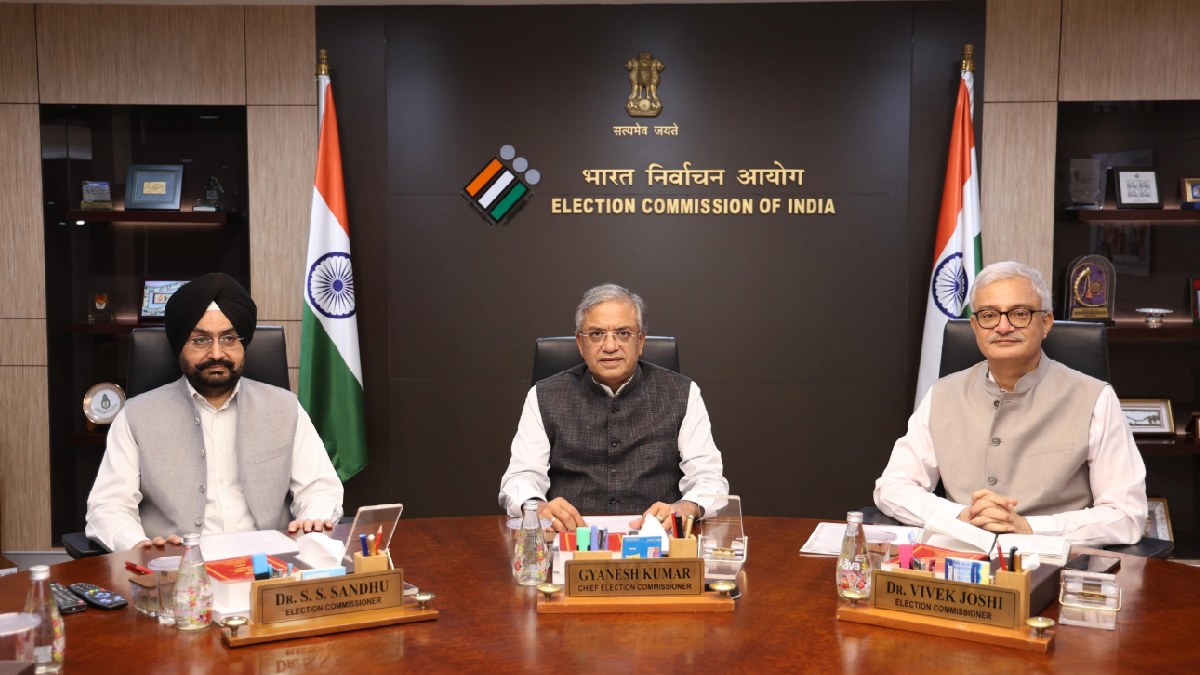
The move comes days after Election Commissioners Sukhbir Singh Sandhu and Vivek Joshi had raised objections to changes made to the form. Sandhu had said the change was “unauthorised and illegal” and called for it to be removed. Joshi had also raised concerns about changing Form 6 without any amendment to the relevant rules, the report said.
The new development adds a new dimension to the debate of the Election Commission, and the Election Commission’s decision-making process for electoral roll revision in general.
What was the Form 6 change?
Form 6 is used by people who want to put their names on the electoral roll. The issue was an additional declaration that was added to the online version of the form for the SIR exercise.
According to The Indian Express, the additional section asked applicants whether they or their parents or grandparents were included in the electoral roll from the previous SIR. Applicants were also required to provide related information like booth and serial numbers. The change was introduced in July and applicants cannot proceed without answering the question.
The report also mentioned that Joshi had raised concerns about the modification in May and Sandhu had protested in writing. Sandhu's August 13 note said that change was “unauthorised and illegal” and called for its removal immediately.
The Election Commission’s position, as reported earlier, was that the additional declaration was not an amendment to the statutory Form 6 but an additional requirement associated with the SIR process. Congress leaders and other opposition figures have challenged that explanation and questioned the legal basis for the change.
EC Reverses The Change
The Election Commission has now removed the additional SIR-related declaration from the online Form 6 on the ECINET portal in states where the SIR exercise has been completed. Reports said the original Form 6 format has therefore been restored in those states.
The SIR-linked declaration is still relevant in states where the revision process is still ongoing, according to current reporting. That is, the change has not just disappeared from every part of the electoral-roll system, but its application has been altered depending on the status of the SIR exercise in a particular state.
The reversal has drawn attention because it follows the objections made by Sandhu and Joshi. And it also comes as the three members of the Election Commission are under greater scrutiny of disagreements.
Wider SIR Controversy
The Form 6 dispute is part of a larger controversy regarding the SIR exercise. An Indian Express investigation found that Sandhu and Joshi had raised objections at least 14 times over 10 months regarding decisions and orders related to electoral roll revision.
Their objections allegedly covered voter enrolment, deletion and restoration of names, access to electoral-roll databases and aspects of the information-technology systems used for voter records. The two commissioners also raised concerns about the gradual centralisation of access to the electoral-roll database.
The Election Commission has maintained that differences of view are part of institutional decision-making and has defended its procedures. The commission has also launched new measures about the SIR process with more help for voters who find their records are missing and a review of aspects of its ECINet system.
The matter has now also been brought to the courts. The Supreme Court has decided to hear the petition on the functioning of the Election Commission under Chief Election Commissioner Gyanesh Kumar and the legality of the SIR exercise. That petition refers to the objections by Sandhu and Joshi but the allegations of the petition are still for judicial consideration.
Why Form 6 Matters
Form 6 is a crucial part of voter registration because it allows eligible citizens who are not already on the electoral roll to apply for registration. Any change in the information or declarations required during the application process in the last step of the process will affect voters who wish to register.
The recent reversal is therefore significant in the wider SIR debate. It has laid bare the extent to which electoral procedures are modified. Who decides when to make changes and how disputes on the Election Commission are resolved.
For now, the ECI has reversed the disputed Form 6 change in states where the relevant SIR process has concluded, while the wider questions surrounding the revision exercise and the commission’s internal decision-making are still under investigation. The Supreme Court and further decisions by the Election Commission may offer further clarity on the legal and procedural issues involved.