As daily consumers continue to be saddled with high monthly petrol, diesel, and CNG prices all across India, another cost will have an impact on families. Electricity costs will also come under mounting pressures over the next couple of months after the Central Electricity Authority (CEA) is said to be contemplating extending fixed monthly electricity charges nationwide. If enacted, it would create a much higher minimum monthly utility bill, no matter how much electricity consumers actually consume.
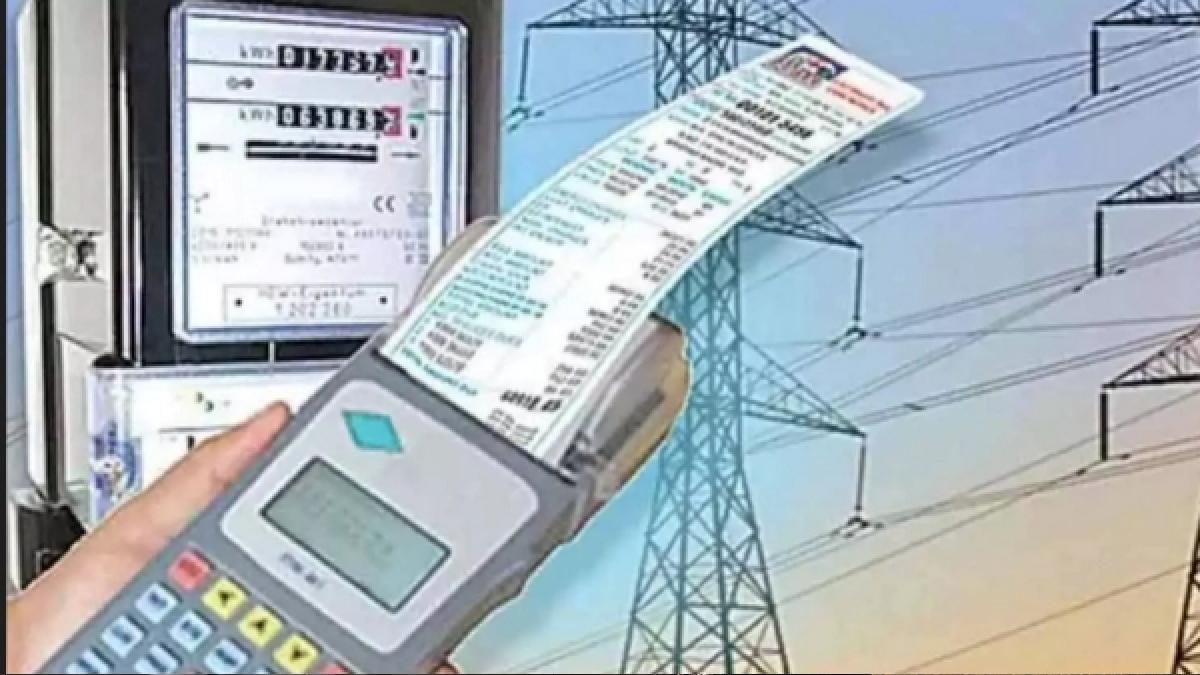
Why Will the Bill for Electricity Go Up?
Based on reports on the issue, the proposal made its way into the airwaves in the wake of increased adoption of rooftop solar systems and captive power generation by industries and large consumers.
Over the past few years, many homeowners have begun to install rooftop solar panels to decrease reliance on the energy delivery of distribution companies (Discoms). Concurrently, large industries are increasingly producing their own electricity using captive power systems.
While this change aids clean energy and reduces consumer reliance on traditional power supply, it has been reported to reduce electricity distribution companies’ revenues. Discoms are under the weight of maintaining both infrastructure and operational costs as power consumption drops from the grid.
An idea submitted to the Forum of Regulators to offset these losses is alleged to involve the levying of fixed monthly electricity charges for the consumers.
What Are Fixed Charges?
Electricity bills today are predominantly determined based on the number of units used by consumers. However, a portion of the bill is charged as a fixed monthly charge to cover infrastructure costs like power transmission networks, maintenance needs, employee salaries and payments to electricity suppliers such as generators.
These operational expenses are said to account for about 38 to 56 per cent of an electricity company’s total expenses, the reports write. However, income earned on the existing fixed charges amounts to only around 9 to 20 per cent of total earnings.
Consequently, the authorities at present are scrutinising increasing fixed provisions in terms of electricity bills.
Proposed Changes
The planned increase would see fixed charges higher by more than 25 per cent for domestic and agricultural consumers.
The proposal is reportedly even more consequential for commercial and industrial users. Authorities are aiming for up to a 100 per cent rise in fixed electricity charges by 2030.
This could potentially force consumers to shell out a big minimum electricity bill every month, with little actual power consumption.
Impact on Common Consumers
The proposed surge has raised concern among middle-class families and small households that are already contending with inflation and the rising price of basic goods.
But higher fixed costs could undermine the benefits households are taking from building rooftop solar systems, experts say, since consumers are still going to be forced to incur mandatory monthly bills for their electricity even when they generate their own electricity.
The additional effort could add to the financial strains placed on rural and low-income households, especially as fuel prices and living expenses remain high.
Consumer groups will seek help from regulators to clarify when the move is going to be implemented and what protections the economically weaker sections of the country might get.
If it passes, the electricity tariff revision could add another large cost burden on households already feeling more pressure from surging transportation, fuel and utility bills.