India is set to change its economic and diplomatic dynamic with China in a major way. The Finance Ministry has said it would lift controls on Chinese companies bidding to do so by government sources. The restrictions were first enacted in 2020 in the wake of a deadly border row between Indian and Chinese troops, escalating tensions and forcing companies to become self‑sufficient in sensitive sectors. Now that the situation is easing and project delays are mounting, the government is considering reopening the door to Chinese companies.
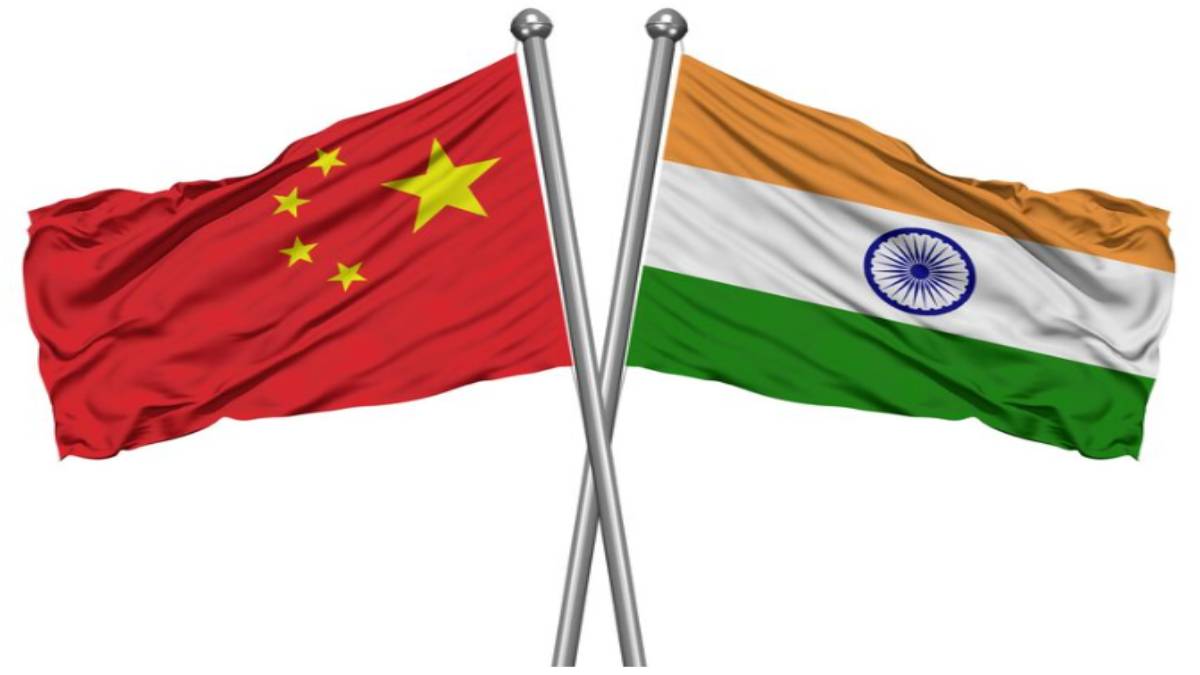
In July 2020, restrictions were imposed upon Chinese companies to register with a government committee and obtain political and security clearances before they became eligible for bids. In practice, it rendered it practically impossible for them to compete for contracts worth hundreds of billions of rupees. The shift was also seen as part of India’s larger plan to shed ties to China, especially on infrastructure, telecom, and defense projects. This went along with the “Atmanirbhar Bharat” campaign too, which called for India to take the lead on public schemes.
There have been various reasons for easing these restrictions. Diplomatic friction between India and China has dwindled a bit as India and China have spoken at international forums. Departments have also cited shortages of bidders that have delayed the completion of large projects, particularly in infrastructure and energy. Bringing Chinese companies back into the bidding process could reduce costs, improve competition, speed up performance and bring down costs. At the same time, India wants to weigh national security imperatives against how the country might benefit from economic growth in a globally interrelated world of trade.
The benefits of scrapping restrictions could be plain. Growing competition may lower project costs, and a greater number of bidders can assist with completing postponed projects on schedule. China’s industries, particularly those in construction, energy, and electronics, might offer elevated quality to the Indian infrastructure. It could also indicate goodwill and improve diplomatic relations between the two countries.
But the choice is not without its own risk. Regulators worry that relaxing its restrictions could expose India to national security dangers on the level of foreign companies who get into sensitive projects, if not here or there. There are also concerns that re‑entry of Chinese firms could weaken India’s efforts to achieve self‑reliance and make Indian sectors vulnerable to the same fate as well weakening domestic industries that have been trying to develop under its protection. Political reaction is also a possibility which some parties might be likely to react even more vehemently to, because China is considered a strategic rival in their eyes and they don't want to give in the discussion.

The announcement has ruffled feathers among politicians and businesspeople all over the world. Supporters say it is pragmatic, the last thing they want to do, to move projects that have been put on pause and boost economic growth. Detractors say it may endanger national security and hit domestic institutions while at the same time weakening industries. And social media talk shows that the two extremes of the government–fearing flexibility and inconsistency, while some praise government’s flexibility–are no different.
India’s actions are indicative of this. As a result India has tried to strike a carefully calculated balance between security and the economy. Border tensions are, meanwhile, a touchy issue yet the government is making it seem as if it is all about growing infrastructure and delivery of projects. The move also underscores India’s place in the global trade system, while India’s isolation from China is difficult to do because of the size of its economy.
Finally, India’s intention to abolish restrictions on Chinese firms in the process for bidding up for a federal government contract is a major policy change. It might deliver economic benefits and lower costs and faster project completion, but also creates worries about security and self‑reliance. For the state to thrive going forward, it will have to ensure that national interests are protected whilst economic growth is pursued through scrutiny and selective participation.