India’s battle against fake currency also boldly advanced its cause in the form of demonetization in 2016. The government had banned ₹500 and ₹1000 notes, and introduced new ₹500 notes to combat black money and counterfeit currency. But nearly a decade on, the trouble resurfaced in a new form online. Instagram and Facebook platforms used on and offline in various countries are now openly making money selling counterfeit notes, and it’s a worrying trend.
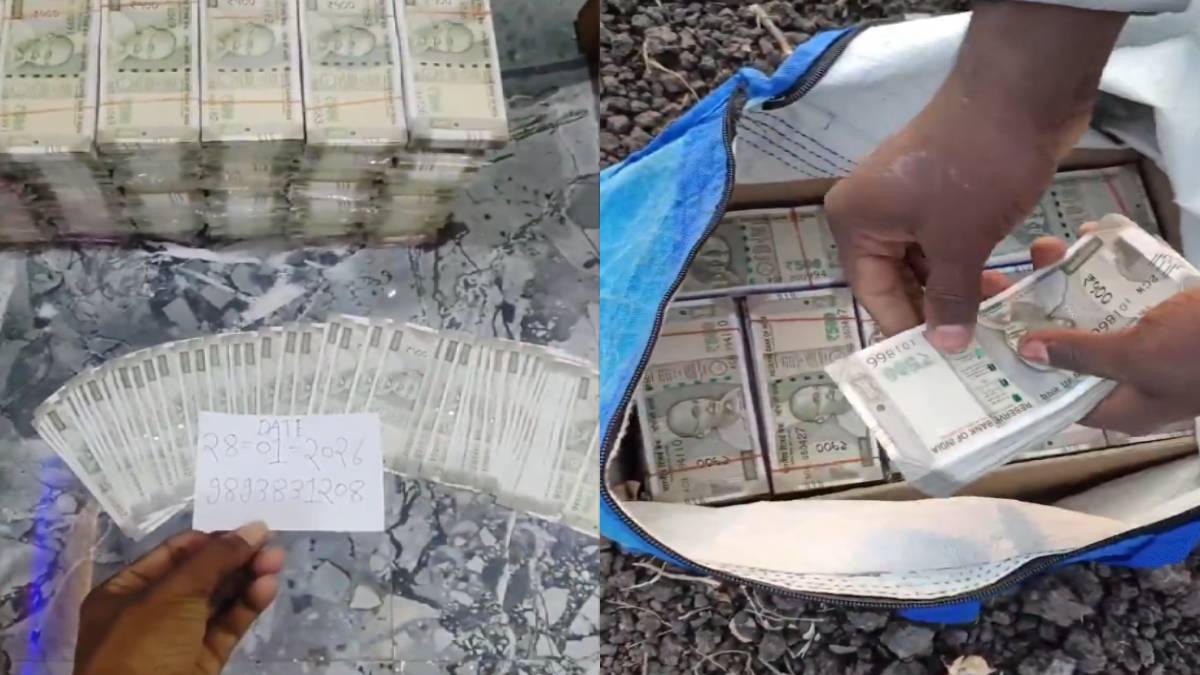
Several Instagram pages have in the last few months been revealed to be providing “top-quality” fake ₹500 notes. These sellers promise buyers good returns, and claim that for each ₹10,000 they pay, you will get ₹50,000 worth of fake money. The pages only accept prepaid orders, and therefore the scam is harder to trace. One viral post showed bundles of ₹500 notes packed into bags, the handwritten note giving the date and phone number. Another video showed piles of counterfeit notes taken in the street without fear of capture. These images have outraged and worried people around the nation.
Cybersecurity agency CloudSEK studied the situation and discovered a large network functioning from Jamade village, Dhule district, Maharashtra. This village has turned into a center for digital counterfeits. Over the course of six months, the network distributed fake notes valued at ₹17.5 crore through Facebook, Instagram and YouTube. The syndicate employed sophisticated printing tools and digital marketing stunts to woo buyers. They even provided doorstep delivery. Investigators pursued the group throughout with open-source intelligence and human intelligence, exposing names, contact numbers and GPS locations.
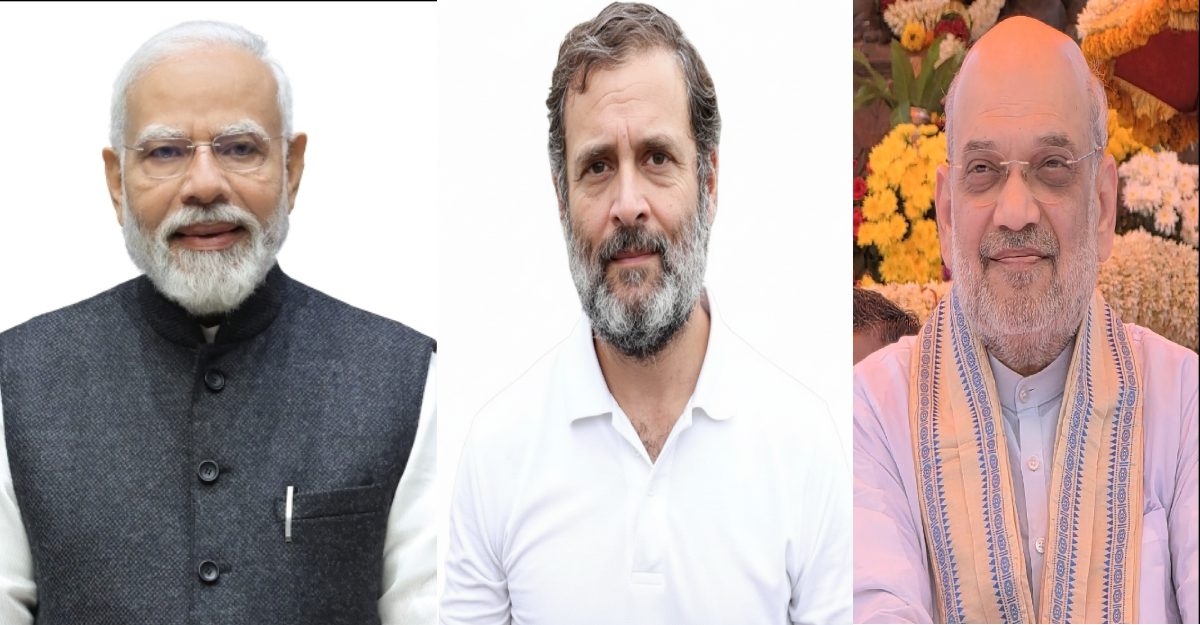
Karnataka minister Priyank Kharge went back and forth with Prime Minister Narendra Modi, asking him why such scams operated so openly. And many citizens are questioning if the government’s intelligence agencies were simply too sound in sleep or willfully turned a blind eye to the matter. The Enforcement Directorate (ED), tasked with addressing financial crimes, has also been called for action. There has been no major crackdown so far, losing trust.
Fake currency is not only a financial menace, it is a national security threat. It hurts the economy, increases inflation and can also be used to fund criminal behavior. If fake notes are all too accessible on the Internet, then there is a failure of both law enforcement and digital regulation. Social media platforms are as well not without a part to play. Instagram and Facebook need to be quick to monitor and remove such pages. If they facilitate illegal activity, they enter the problem.

Demonetization was supposed to combat counterfeit currency and black money. But this episode underscores that banning notes isn’t sufficient. Criminals move quickly, adopting updated tools and platforms. The government also needs to change by improving digital surveillance, augmenting cybercrime units, and educating the public.
Action and resolution by ED and the police to stop these networks immediately. Tougher regulations on social media companies to detect and block illegal page activity. Campaigns to raise public awareness about scams. Tighter linkages between cyber professionals and the police.
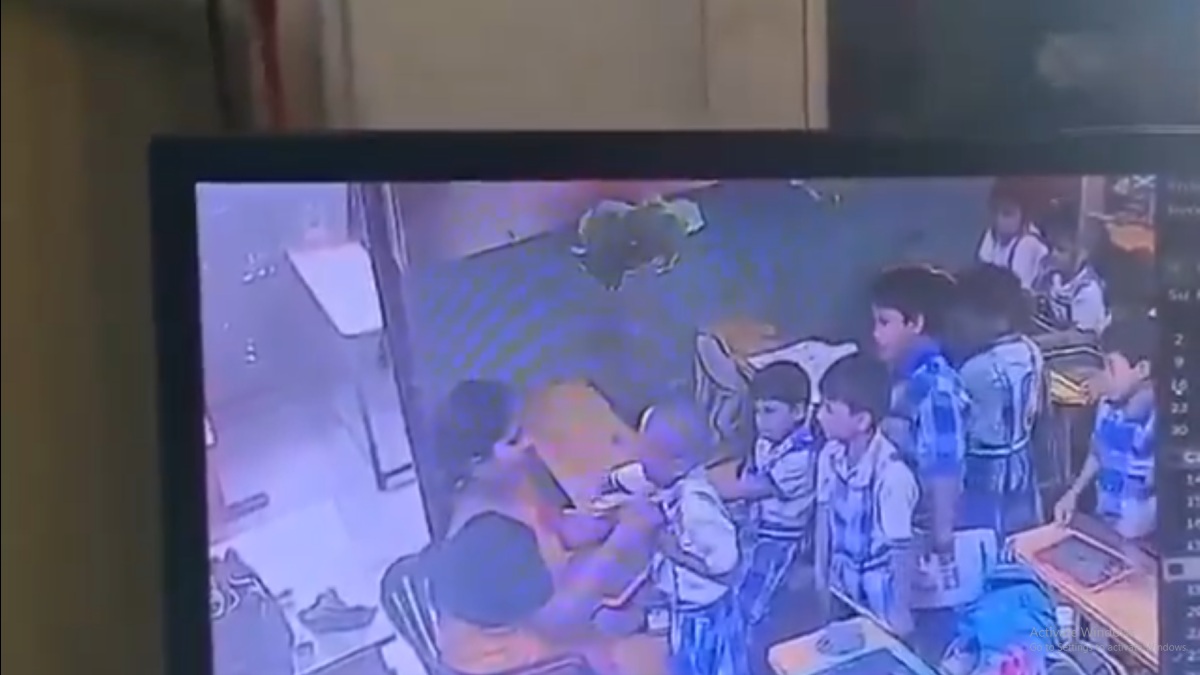
Fake ₹500 notes on Instagram are increasing. This is a wake-up call. It shows that crime has gone digital, and our response must also embrace a digital one. The boy in the viral video may be part of a scam, or simply the victim of it but the issue at stake is much larger. India needs to act quickly to safeguard its economy and its people. Law has to be respected and that comes from enforcement. And trust in government starts with action.