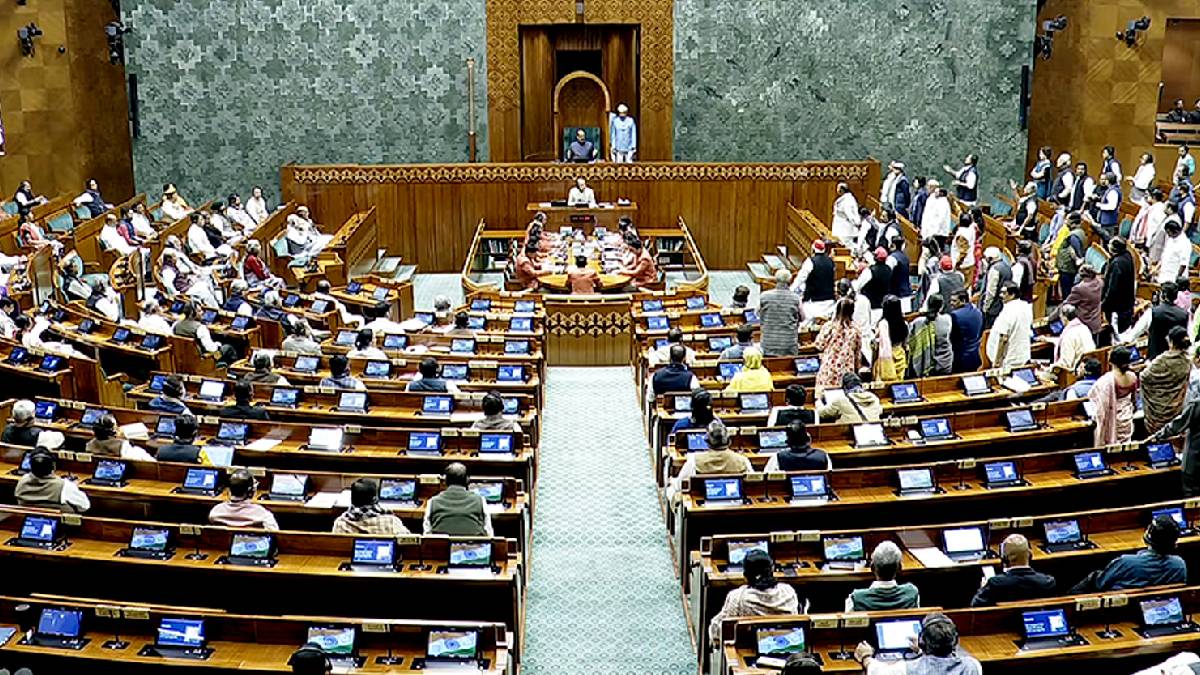
Based on discussions in government and Parliament, the proposed Foreign Contribution Regulation Act (FCRA) Bill may be referred to a Joint Parliamentary Committee (JPC) due to opposition from Opposition parties and concerns by Christian religious organisations.
The idea of sending the Bill to a JPC was driven forward after a meeting of the Business Advisory Committee (BAC), in which the majority felt the Bill should not be passed in the current form without further discussions.
And in the reports, members of the ruling NDA have said they are open to demands for further scrutiny of the proposed legislation. The committee, if the proposal is referred to a JPC, would have to review the details of the proposed legislation and hear from all players before making its recommendations to Parliament.
The development is a historic step up in the legislative process of the FCRA framework, which is in place to guide the receipt and use of foreign contributions by organisations in India.
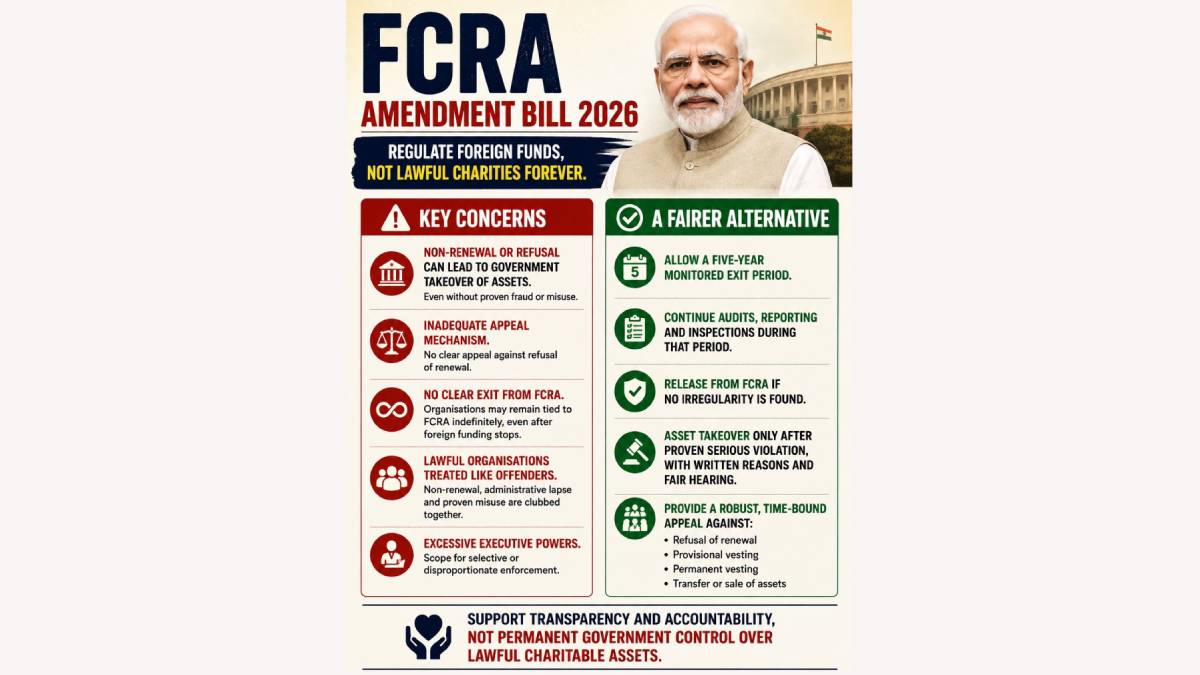
The proposed changes have received a lot of political attention and Opposition parties are concerned about the effect on non-governmental organisations, charitable organisations and other entities that receive foreign contributions.
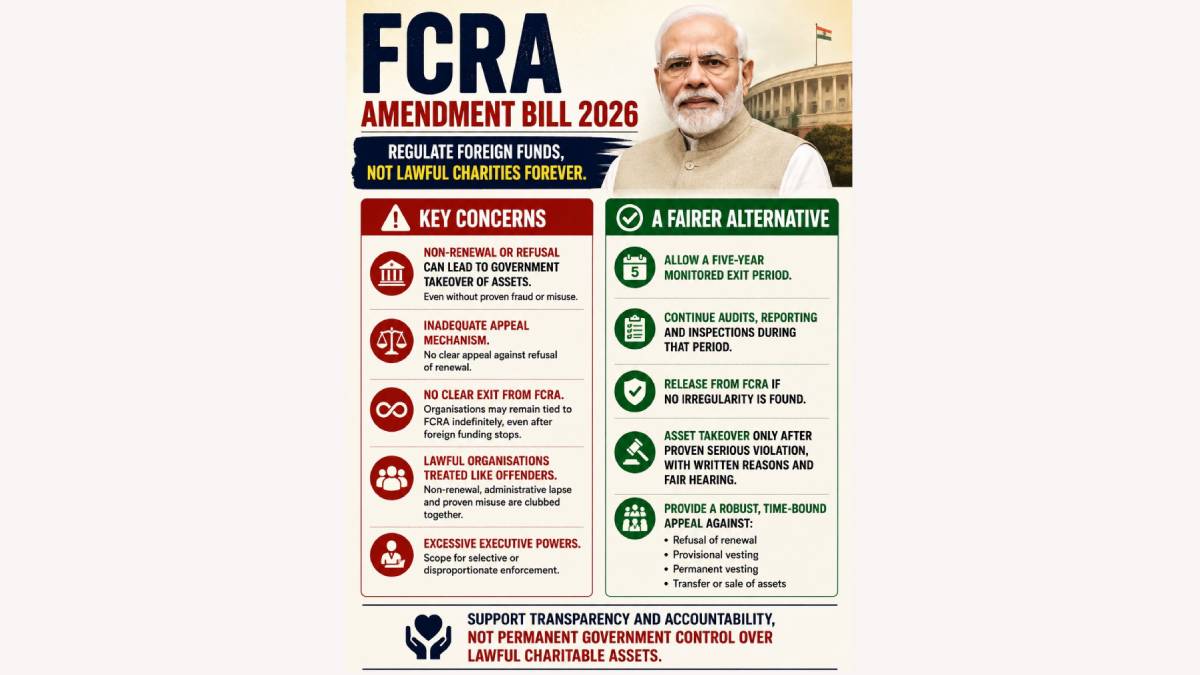
Christian religious bodies and organisations have also expressed concerns about provisions they believe could affect their activities. Their objections have added another dimension to the debate surrounding the proposed legislation.
The FCRA has long been a politically sensitive law as it governs foreign funding received by organizations operating in India. Successive governments have argued for very strict limits on overseas contributions in order to protect national interests, financial transparency, and to prevent foreign money from being misappropriated.
Much wider restrictions are also worrying to some, such as some of the larger organisations that have been called out on the need for increased regulation, even as the legal framework is being implemented, and those who do not want to be restricted by regulations are concerned that it is difficult for legitimate activities such as charitable, social and developmental.
The proposed Bill has thus become the subject of competing arguments over national security, financial accountability, civil society operations and freedom of association.
A referral to a JPC would allow Parliament to study these competing concerns more deeply. Parliamentary committees can review individual clauses, seek expert opinions, hear from stakeholders and recommend changes before legislation is brought back for consideration by the Houses.
A willingness of the NDA to consider the demand for a JPC could also reduce immediate political confrontation over the Bill. Rather than push through the legislation in opposition, the government might let a committee look at the issues and make recommendations for a way forward.
For the Opposition, a JPC referral would give an opportunity to investigate the provisions and have more consultation with the affected organisations and experts.
For the government, committee scrutiny would provide the opportunity to describe the objectives and implications of the legislation.
The developments also highlight the BAC’s role in the parliamentary schedule and the interaction between government and Opposition in legislative business.
Though the Bill will probably be referred to a JPC, the final decision and formal procedure will depend on the government’s parliamentary strategy and the subsequent proceedings of the House.
Until a formal announcement is made, the referral should be regarded as an expected development rather than a completed parliamentary action.
If the Bill does go to a Joint Parliamentary Committee, its progress may take longer with lawmakers examining the provisions and gathering stakeholder feedback. The recommendations of the committee could eventually be used to write the final legislation to be passed by Parliament.
The FCRA Bill is likely to remain politically important in the longer run as it will affect the organisations that are receiving foreign donations.
What is really at the heart of this controversy is how India can balance financial transparency and national security requirements with the ability of legitimate civil society and charitable organisations to function effectively.
A JPC investigation might give Parliament a chance to look at this question in a more detailed way rather than just political debate.
At the moment, however, parliamentary discussions indicate that the FCRA Bill is moving towards a JPC referral as opposition parties and stakeholders are calling for more scrutiny of the proposed changes.
The next formal parliamentary decision will be whether the legislation enters the committee process and what amendments are recommended, if any, and how Parliament takes up the Bill again before it is considered.