Recently, it has been said that the Food Safety and Standards Authority of India (FSSAI) has introduced new packaging requirements for pan masala products. The materials used for the packaging of pan masala are now prohibited.
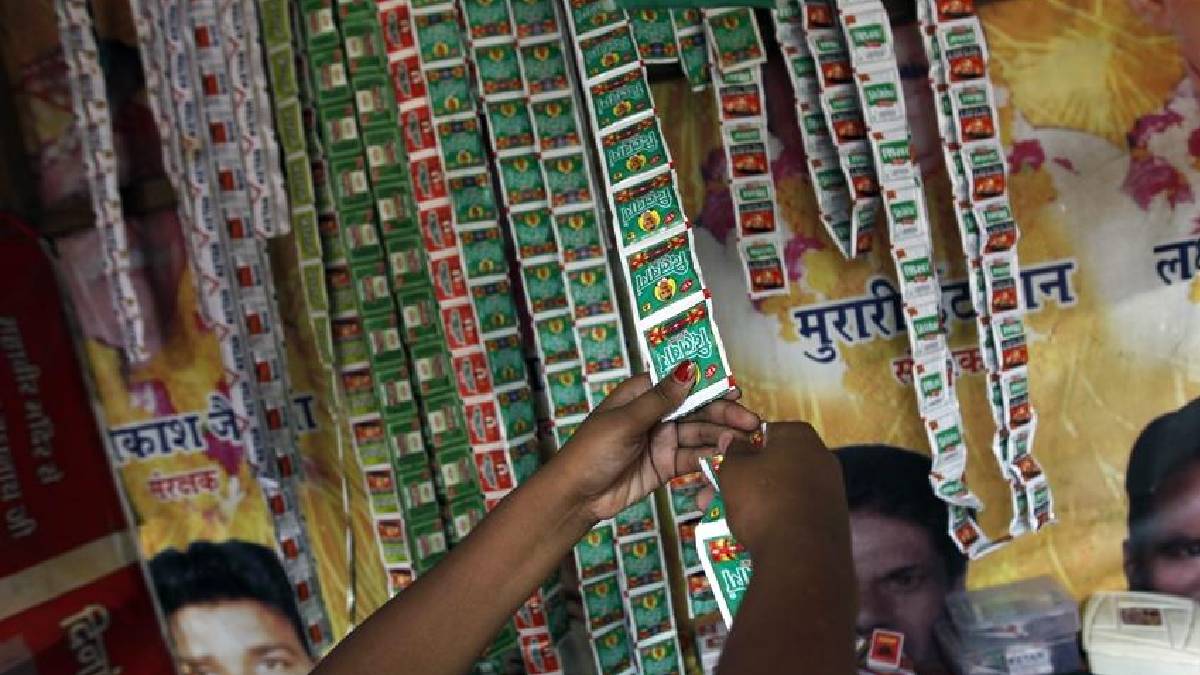
This will be a big deal for manufacturers, packaging companies, and the wider pan masala industry, as it will mean that the packaging materials will be held to the new food safety standards.
The new provisions have been introduced through the Food Safety and Standards (Packaging) Amendment Regulations, 2026. The amendment shall take effect from the date of publication in the Official Gazette.
What has FSSAI changed?
In the amended provisions added to Schedule IV of the Food Safety and Standards (Packaging) Regulations 2018, specific materials have been prescribed for packaging pan masala.
Packaging with paper, paperboard, cellulose, or other natural materials can be employed if it does not contain prohibited plastic or synthetic polymer components.
The restrictions apply to polyethylene, polypropylene, polyester, and PVC as well as other plastic and synthetic polymers. Plastic laminates and aluminium foil are also excluded from the list of materials that cannot be used in the pan masala packaging.
The revised provisions also allow conventional packaging such as tin and glass containers as long as food safety and packaging requirements are met.
Why has plastic packaging been restricted?
The decision is in line with increasing concerns over plastic waste and the environmental impact of single-use and difficult-to-recycle packaging.
Small pan masala sachets are widely used throughout India and are frequently discarded in public places, roadsides, drains, and other open areas. Many plastic-based packaging materials do not readily degrade, so discarded sachets can contribute to long-term waste accumulation.
Plastic waste will also end up in drainage systems and waterways and contribute to pollution and additional waste-management problems.
The new rules are designed to push the industry towards alternative materials that are much less polluting in a more eco-friendly manner by prohibiting plastic packaging for pan masala.
New Packaging Materials for Pan Masala
The amendment provides manufacturers with a range of packaging options while restricting certain materials.
Paper and paperboard can be used for packaging, along with cellulose and other natural materials as long as the packaging is in accordance with the prescribed standards.
Tin and glass containers are also permitted.
But manufacturers will have to avoid packaging containing polyethylene, polypropylene, polyester, PVC, other synthetic polymers, plastic laminates, or aluminium foil to the extent prohibited by the revised provisions.
That means companies will need to update their packaging formats and look at their supply chains, and therefore redesign them, in order to ensure compliance.
Legal basis for the new rules
The new regulations have been issued by FSSAI using the powers granted under Section 92, sub-section (2), clause (k) of the Food Safety and Standards Act, 2006, with the prior approval of the Central Government.
The changes have been incorporated into the existing regulatory framework governing food packaging in India.
The amendment also refers to relevant provisions under the Plastic Waste Management Rules, 2016, under the Environment (Protection) Act, 1986. In particular, the requirements under Rule 4 are likely to be relevant to compliance.
Impact on Pan Masala manufacturers
The new rules may require manufacturers to make significant changes to their packaging processes. Companies that use plastic-based multilayer packaging as their basis may have to find alternative materials and redesign their packaging formats.
Manufacturers will also need to ensure that replacement materials meet food-contact safety requirements. Replacing plastic with another material may not be enough if the packaging fails to meet the applicable FSSAI standards.
The transition could therefore involve changes in packaging equipment, sourcing and production processes, and product presentation.
Focus on Food Safety and the Environment
The new amendment brings together two important objectives: food packaging safety and environmental protection.
Packaging is a critical component of food safety and quality. The environmental impact of packaging waste has become a bigger policy concern as well.
So the ban on plastic-based pan masala packaging should encourage the industry to look for alternative ways.
The success of this move will ultimately depend on implementation, manufacturers’ compliance, and the disposal of other packaging materials.
As the new regulations are being defined and released in the Official Gazette, the pan masala manufacturers will need to closely monitor the requirements and ensure that their packaging conforms to the new standards.
For consumers, the major change will be seen in the type of packaging used for pan masala products as manufacturers move away from the prohibited plastic-based and plastic-laminated materials.