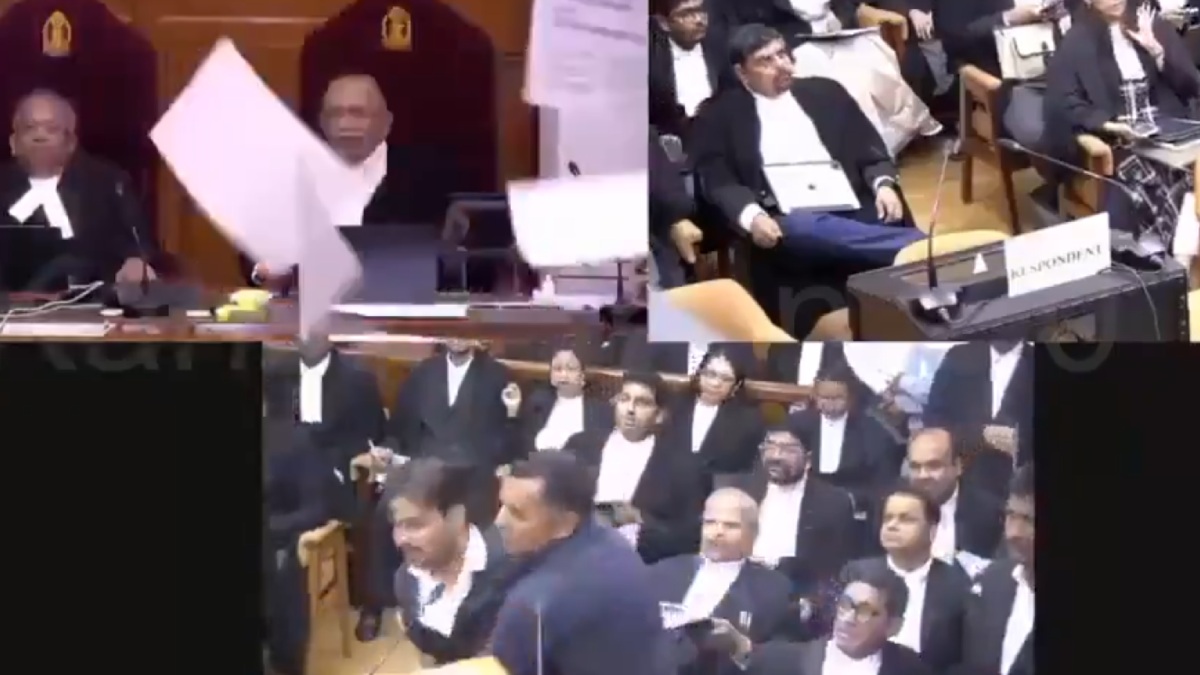
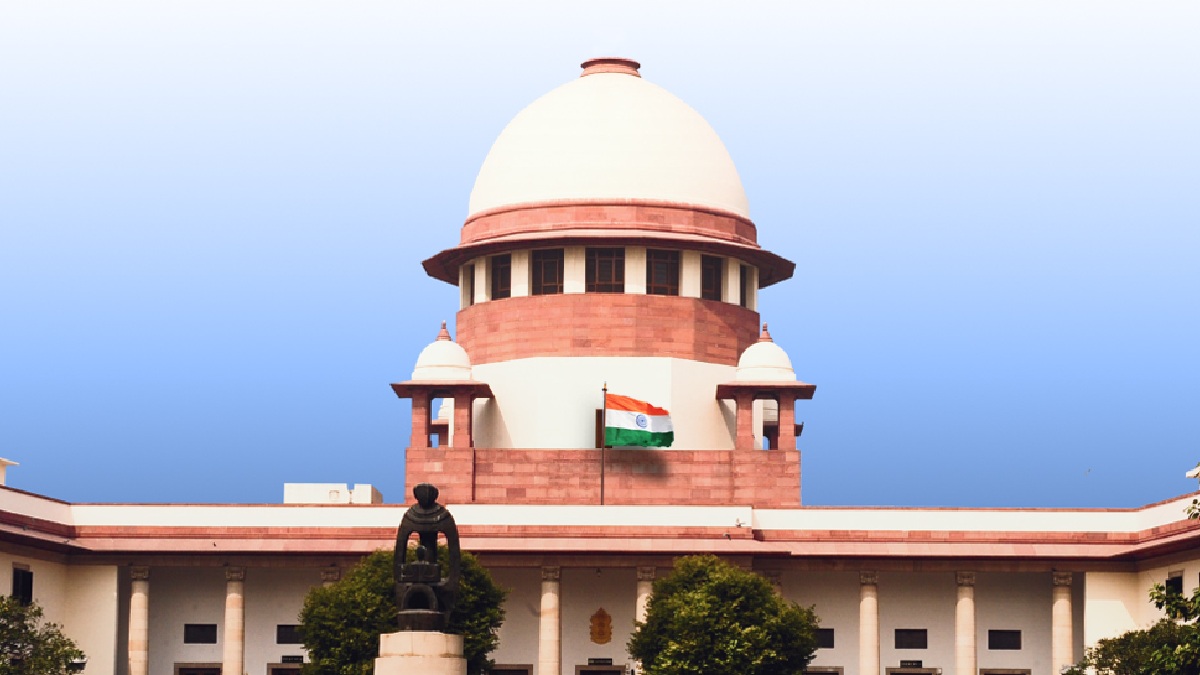
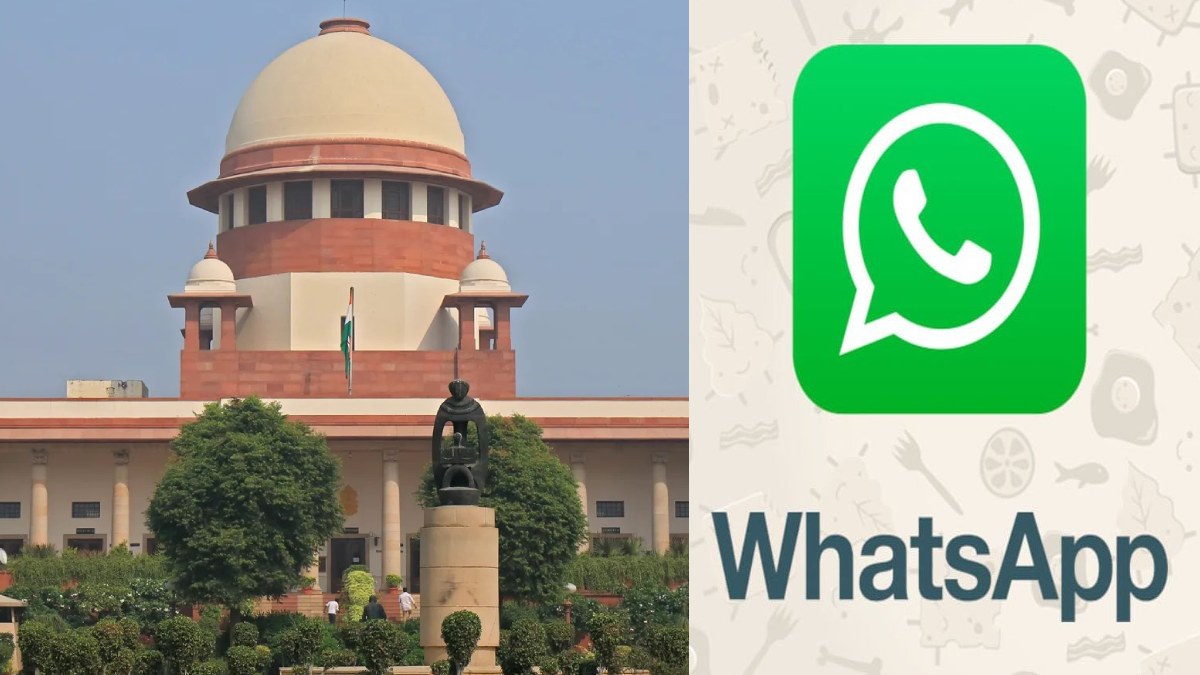
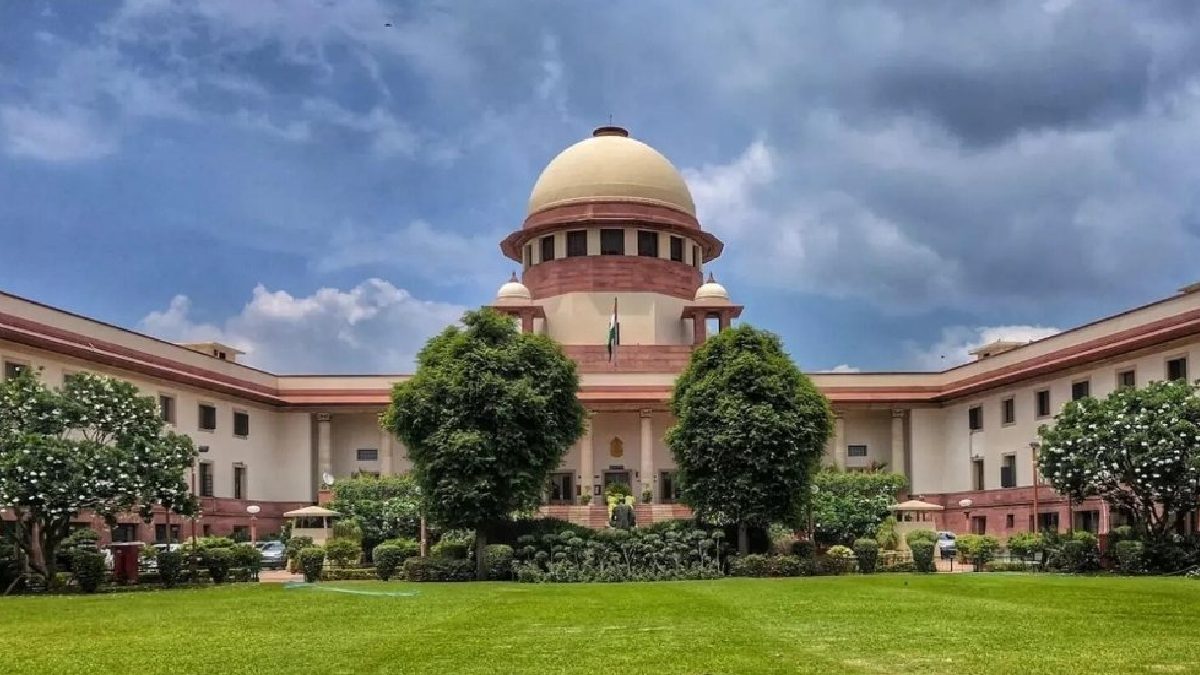
Among the sharpest attacks on Big Tech so far, the Supreme Court of India today, issued a stern ultimatum to Meta Platforms Inc. over its messaging service WhatsApp’s contentious 2021 privacy policy. Leading a three-judge bench, Chief Justice Surya Kant, asserted that global tech giants would be required to work under the Indian Constitution or else walk away from the country. During a high-stakes decision, the Chief Justice said, “If you cannot follow our Constitution, then leave India. We will not allow the privacy of any citizen to be compromised for commercial gain.”
The “Take-It-Or-Leave-It” Trap
The court was processing appeals from Meta and WhatsApp, in respect of the ₹213.14 crore fine announced by the Competition Commission of India (CCI). The regulator concluded WhatsApp had abused its market position to coerce users into a “take-it-or-leave-it” deal, whereby they must give up their consent to expanded data sharing with other Meta companies such as Facebook and Instagram in order to continue using the service.
Justices Joymalya Bagchi and Vipul Pancholi among other members of the Bench criticized the “manufactured consent” gained from users.
“Where then is the opt-out question? Show me on your phone, and I will show you mine,” the Chief Justice confronted the defense lawyer. “This is a decent way to commit theft of private information.”
Exploitation of Vulnerable Users
The Court showed concern for “silent consumers” millions of people in rural areas or with low digital literacy who cannot understand the “cleverly crafted” legal jargon of privacy policy.
- Monopoly Factor: WhatsApp has an all-too-common monopoly in its messaging space where people are "addicted to the system" and no more can they refuse than to take exploitative terms.
- Targeted Advertising: Justice Bagchi emphasized the monetary side of metadata when he said that every "silo of data" is monetized and being rented out for targeted advertising with no real understanding of the user.
"We Are the Products, Milord"
Representing the CCI, the senior members of its body said that in an advertising-led business model, users are being treated as products, not consumers. Solicitor General Tushar Mehta, appearing for the Centre, also expressed similar views and said that our personal data is “commercially exploited” at a huge scale.
In a personal incident, the Chief Justice referred to the fact that private medical chat on the app frequently resulted in instant pharmaceutical advertisements on other social media, a claim Meta’s lawyers said they have denied on the grounds of end-to-end encryption.
What Happens Next?
The Supreme Court recently asked Meta to file an affidavit detailing its handling of its data and adherence to Indian laws.
- Next Hearing: Scheduled for Monday, February 9, 2026.
- Interim Measures: The court said it may grant an interim order that would stop all cross-platform data sharing until the final decision.
- Government Involvement: The Ministry of Electronics and Information Technology (MeitY) has been made a formal party to the proceedings to provide technical and regulatory input.
This case’s outcome should serve as a global precedent for how democratic countries determine the data-sharing appetite of multinational tech conglomerates.