The Union Government has explained in Parliament that no decision has been taken to increase ethanol blending in petrol beyond the existing 20 per cent (E20) target. The Union Minister said this in response to a query during a Parliament session, as he put off speculation on the possibility of introducing higher ethanol blends in the near future.
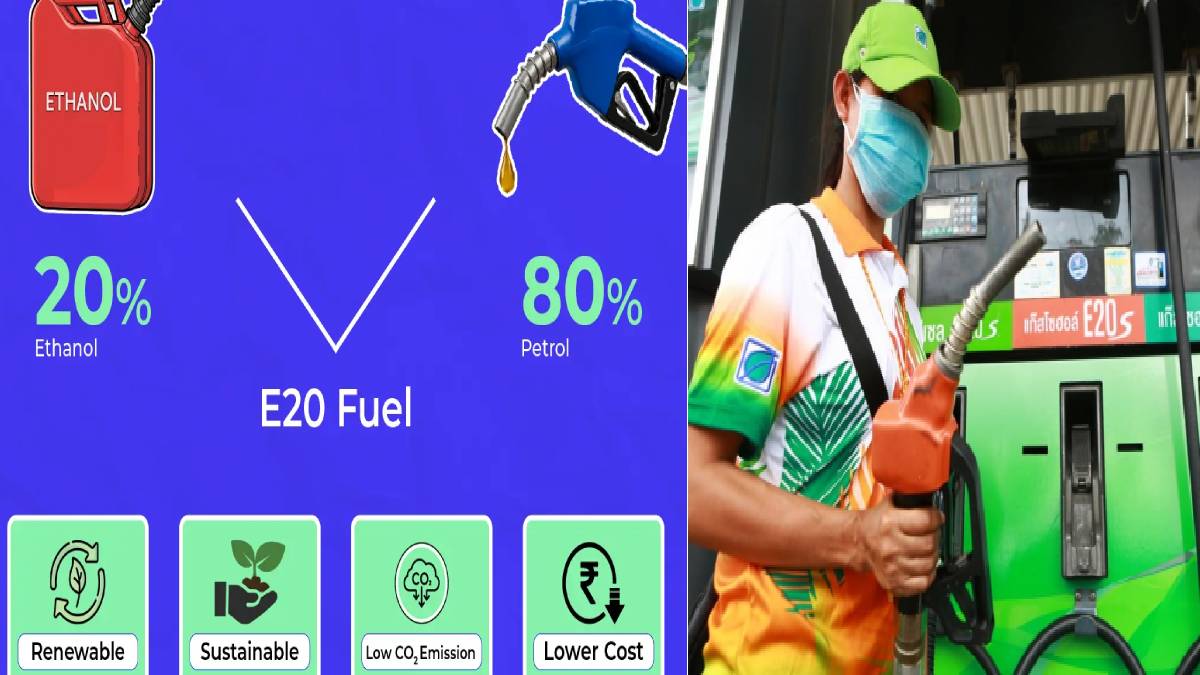
The clarification comes as India continues to aggressively promote ethanol blending as part of its larger strategy to reduce reliance on imported crude oil, improve energy security, lower carbon emissions, and provide better market opportunities for domestic farmers and the sugar industry.
The government has made significant progress under the Ethanol Blended Petrol (EBP) Programme, with ethanol blending rising sharply in that decade. India has gone from minimal blending levels a few years ago to reaching its nationwide 20 per cent ethanol blending target, one of the key milestones in the country's clean energy transition.
In response to questions in Parliament, he said the government has not taken any policy decision to increase ethanol blending in petrol beyond 20 per cent. It is a matter of the current environment for E20 fuel to be successfully implemented in the country and for the infrastructure, supply chain, and friendly vehicle ecosystem of the country to develop in a way that is compatible with this solution.
The E20 initiative requires coordination among fuel retailers, automobile manufacturers, ethanol producers, and consumers. Oil Marketing Companies (OMCs) have been gradually expanding the availability of E20 petrol at fuel stations throughout India, and automobile manufacturers have introduced vehicles that can be operated efficiently on E20 fuel.
The ethanol blending programme has several benefits for India’s economy and environment. In this way, replacing a portion of petrol with locally produced ethanol will reduce the country’s import bill for crude oil, enhance energy security, and help India achieve its climate targets by reducing emissions of greenhouse gas from the transport sector.
The programme has also created new income opportunities for farmers because ethanol is produced from sugarcane, maize, damaged food grains, and other agricultural feedstocks. Higher ethanol production has diversified agricultural requirements and has led to new revenue sources for sugar mills and grain-based distilleries.
Industry experts say that moving beyond the current E20 level would require comprehensive scientific evaluation, extensive testing of vehicle compatibility, modifications to fuel infrastructure, and detailed consultations with stakeholders. Higher ethanol blends may need specialised engines and a series of regulatory approvals before they can be widely deployed.
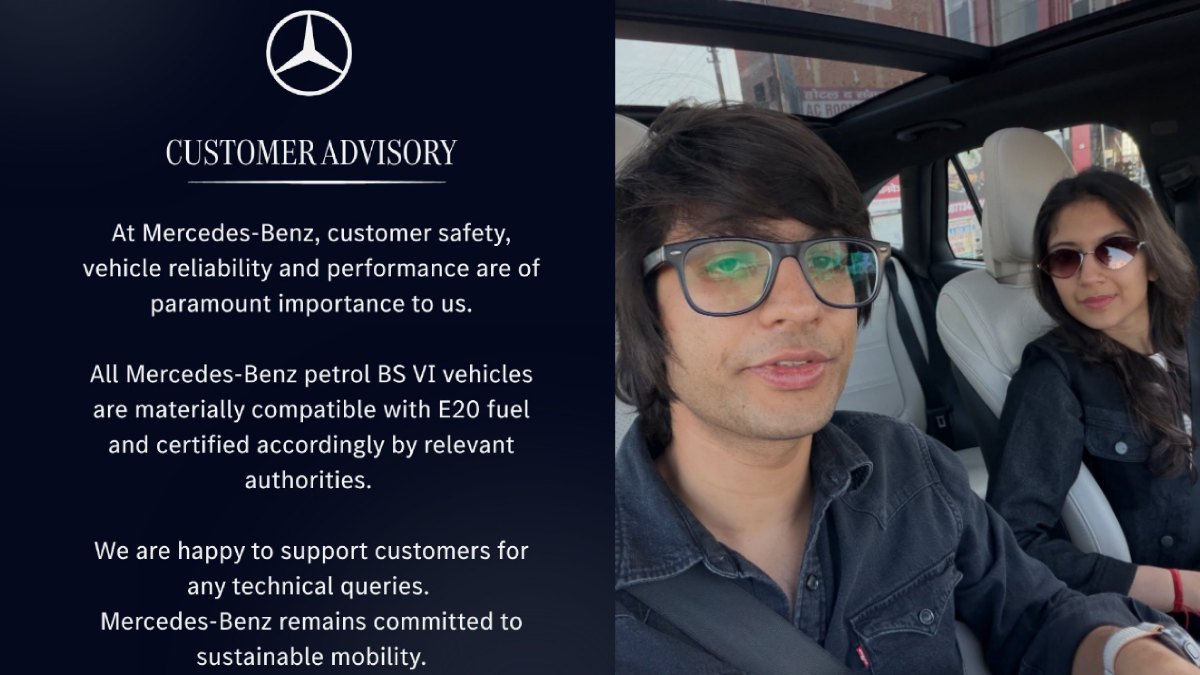
Already, car manufacturers are producing E20-compliant vehicles so consumers can use the blended fuel without affecting engine performance or warranty coverage. Older vehicles not specifically designed for E20 still operate as per existing guidelines, and manufacturers provide recommendations based on vehicle models.
The government’s clarification suggests that the immediate focus is on the nationwide implementation and stabilization of the 20 per cent ethanol blending programme rather than higher blending levels. Officials will monitor the E20 fuel’s performance, consumer adoption, vehicle compatibility, and overall fuel demand ahead of any future policy changes.
India's biofuel strategy is still a critical part of its clean energy strategy that will support the twin objectives of reducing fossil fuel imports and growing the economy sustainably. And as renewable energy adoption continues to grow in India, ethanol blending is likely to remain much more important in making India’s transportation sector more eco-friendly and energy efficient.
So far, motorists and the automobile industry should expect the government’s focus to remain firmly on achieving and maintaining the E20 blending target, with no official move to increase ethanol content beyond 20 per cent.