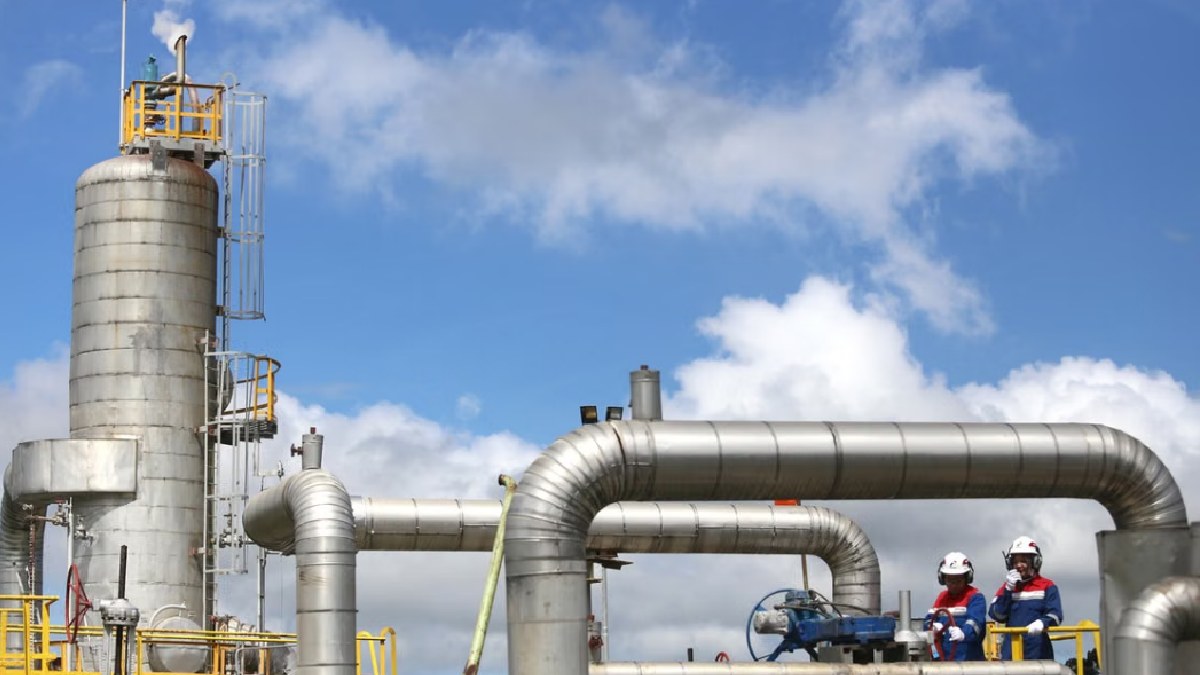
India has achieved a major milestone in its clean energy journey with the commissioning of its first two geothermal wells in Ladakh. It is a major step towards harnessing geothermal energy as a reliable and sustainable source of power and heat, demonstrating the country's commitment to diversifying its renewable energy portfolio.
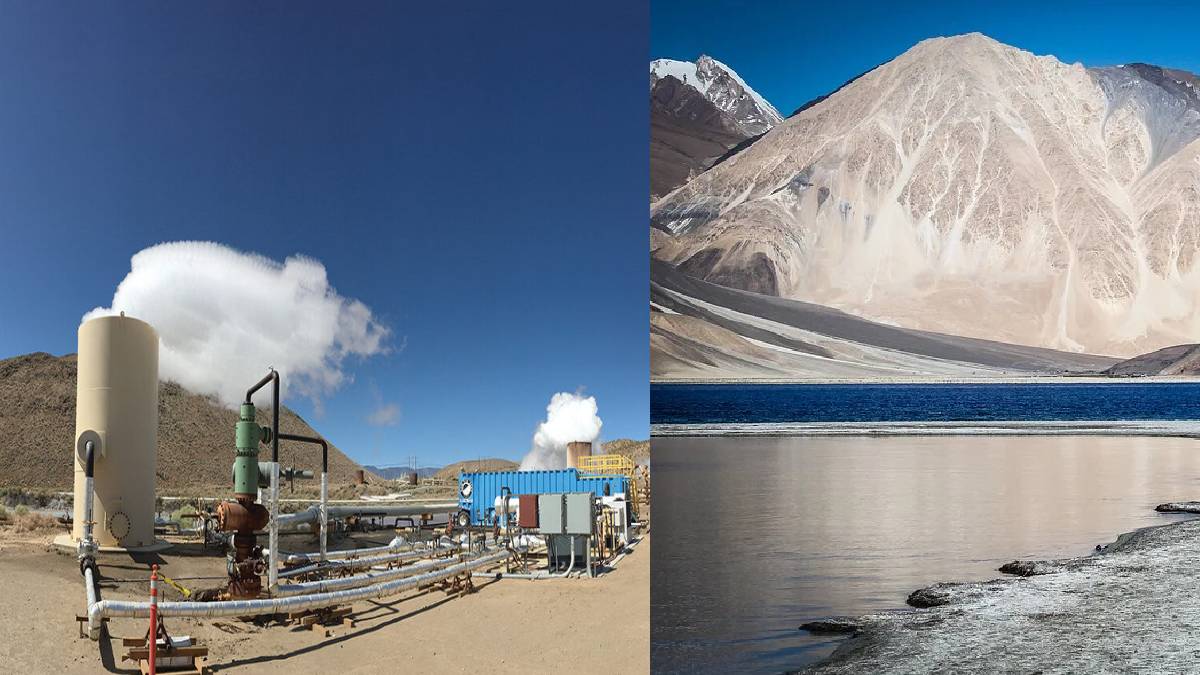
The geothermal wells have been developed in Ladakh, a region that has its own geological features and geothermal potential. Being located in the Himalayan belt, Ladakh has naturally available geothermal resources that can be exploited to produce heat and, perhaps, electricity using modern engineering technologies.
Unlike solar and wind energy, which depend on the weather, geothermal energy is a source of stable and continuous energy that is stored under the earth’s surface. This makes it an attractive alternative for providing round-the-clock energy, especially for remote and high-elevation areas where conventional energy infrastructure may be hard to build.
The commissioning of these wells is the culmination of geological surveys, research, and technical exploration of geothermal prospects in India over a number of years. Geothermal experts believe that the success of the initial wells could pave the way for larger geothermal projects in the future, which are very much needed by local communities and contribute to national energy security.
Geothermal energy has many applications beyond electricity generation. Underground heat from reservoirs can be used for district heating, greenhouse agriculture, tourism facilities, industrial processes, and space heating during Ladakh's harsh winters. Such applications are particularly useful in cold climates where reliable heating is a critical part of daily life.

Geothermal energy could be a transformative factor in Ladakh to reduce dependence on diesel generators and imported fossil fuels. Cleaner local energy production can reduce carbon emissions, improve air quality, and reduce transportation costs for fuel supply in remote mountainous regions.
The project fits with India’s wider renewable energy strategy, which aims to diversify its energy sources, reduce greenhouse gas emissions and help it to become more energy independent. Geothermal energy can complement solar, wind, hydropower, bioenergy and green hydrogen and be an integral part of the country’s energy mix.
The successful commissioning of the wells also shows India's growing capabilities in advanced energy exploration and sustainable infrastructure development. Geological studies conducted in different parts of the country indicate that several regions—Ladakh, Himachal Pradesh, Uttarakhand, Gujarat, Maharashtra, Chhattisgarh and the Andaman and Nicobar Islands—have geothermal resources which we should be exploring further.
Industry experts say geothermal energy is still underutilized in the world despite its numerous advantages of low emissions, high reliability, small land footprint, and long life. Technology advancements and government policies should be the key to future geothermal projects in India.
Geothermal development can also generate jobs in drilling, engineering, geological research, construction, and long-term facility operation. It may also develop scientific achievements and promote investment in new renewable energy technologies.
The commissioning of India’s first two geothermal wells shows that the country is committed to the development of new frontiers in clean energy. As pilot programs are rolled out and more research is funded, geothermal resources could be even more useful for sustainable development, especially in remote and environmentally sensitive areas like Ladakh.
This is an achievement that not only bolsters India’s renewable energy aspirations but also opens the door to a new chapter in the country’s journey to cleaner, more resilient, and locally based energy solutions for the future.