India is on the cusp of an AI-powered future as the central government ministries are rapidly implementing Artificial Intelligence (AI) into their day-to-day operations.
This is part of the government’s overall digital transformation agenda to drive better governance, improve public services, and make administrative processes more efficient.
According to officials, ministries from health, education, agriculture, finance, transport, and public administration are all exploring AI based solutions in their areas of activity.
These technological platforms can be used to automate routine activities, analyze huge amounts of data, enhance decision making, and deliver faster and more citizen friendly services.
National initiatives are leading to a growing adoption of AI with national efforts to foster digital innovation and responsible use of emerging technologies.
Government departments are working with technology experts, research institutions, and industry partners to identify practical AI solutions to real-world governance challenges.
AI is expected to make a huge difference in public service delivery.
AI enabled chatbots can assist citizens with government schemes while predictive analytics can help authorities identify trends, allocate resources more effectively, and improve policy planning.
AI can help in healthcare, disease surveillance, and medical data analysis; agriculture can benefit from weather forecasting, crop monitoring, and pest detection.
But as AI grows more deeply embedded in government systems, policymakers are also concerned about the risks associated with the technology.
Data privacy, cybersecurity, algorithmic bias, misinformation, transparency, and accountability are all areas where a clear regulatory framework should be established.
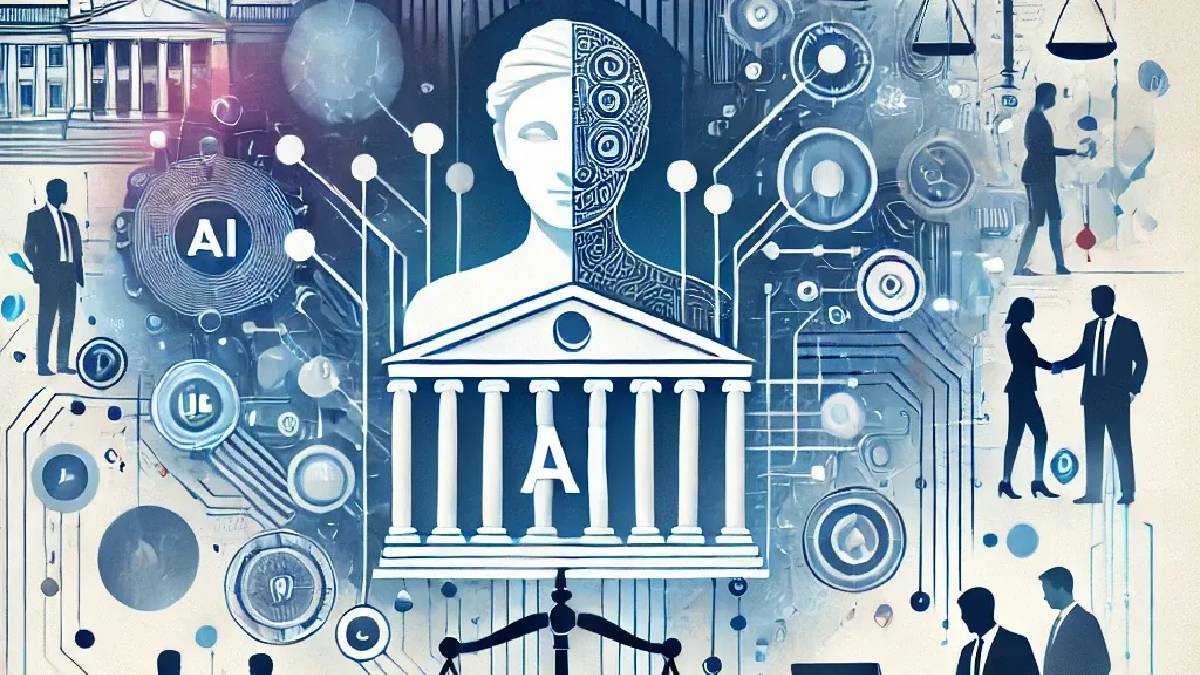
To deal with these issues, the Centre is looking into an AI law or regulatory framework to set ethical and responsible standards for AI use in the public and private sectors.
The proposed legislation would include transparency, data protection, risk assessment, and human monitoring as part and parcel of the legislation and will promote innovation.
Such a law would provide greater clarity to government departments, businesses, startups, and technology developers, experts say.
It might also build public trust in AI systems, ensuring that AI systems are used fairly, securely, and responsibly without infringing on citizens' rights.
India’s AI strategy is in line with its wish of becoming a world leader in technology.
AI must be built in a people-first way, and therefore innovation must play a role in inclusive growth rather than replacing human decision-making.
It might also encourage more investment in AI research, skill development, and homegrown talent development and create new jobs in advanced technology sectors, industry analysts say this is a reality.
As more ministries are getting ready for AI, the coming months will be a major turning point in India’s digital governance journey.
If an AI law is to be enacted, it should provide the legal framework to balance innovation and responsibility so that AI is a trusted tool for delivering smarter, faster, and more transparent public services.