The central government will present the Public Examinations (Prevention of Unfair Means) Amendment Bill, 2026, today in Parliament in order to make Indian exams more secure and transparent.
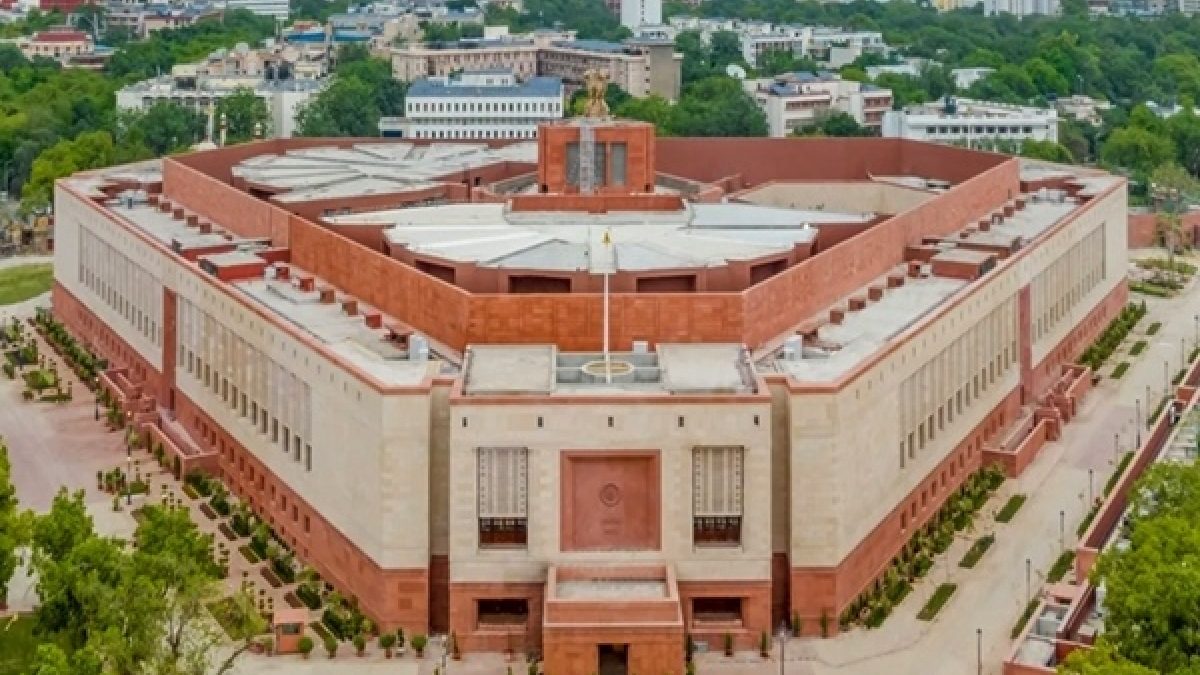
If it gets passed, it will strengthen the existing anti-cheating law with stiffer fines for paper leaks and organized examination fraud and will provide fair examination opportunities for genuine candidates.
The move follows a series of examination controversies in recent years including major paper leak incidents that raised concerns about the credibility of competitive recruitment and entrance examinations.
By tightening the legal framework, the government hopes to deter criminal networks involved in manipulating public examinations and restore confidence among students.
The keystone of the amendment is the stronger punishment of individuals and groups involved in organized cheating. Those who leak question papers, are involved in impersonation or run examination fraud networks are likely to get long sentences and large financial costs. Greater punishment would deter such activities and would help in the protection of public examinations.
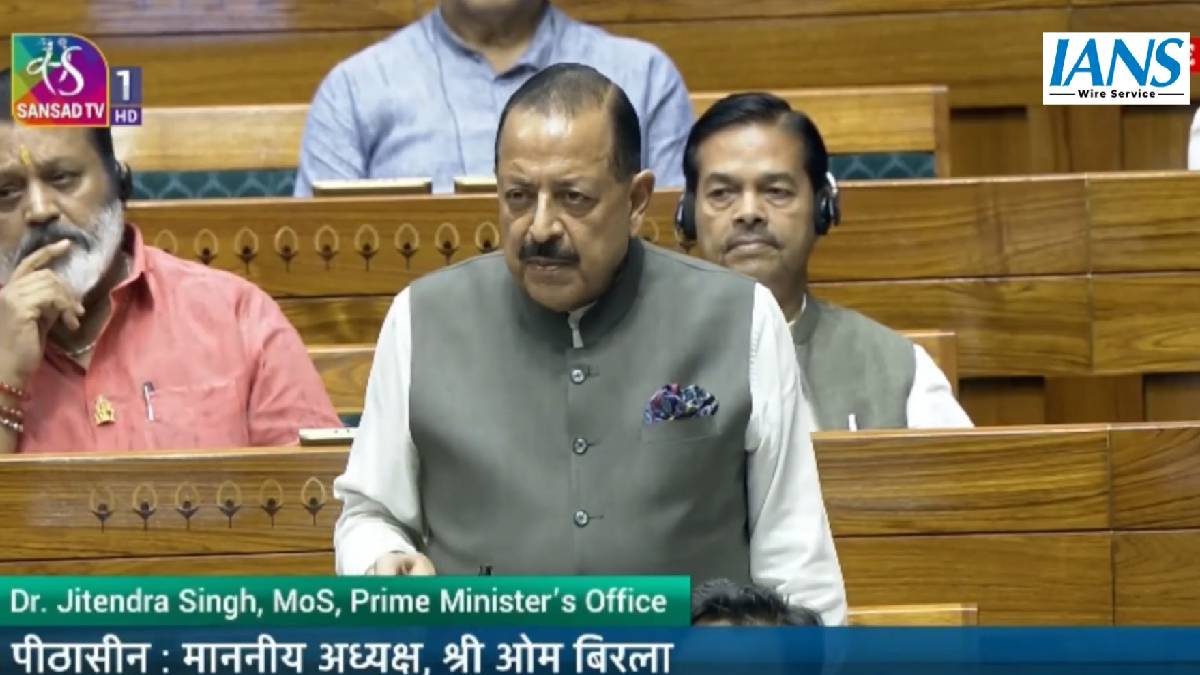
The bill also increases the scale of accountability. Exam centres, private contractors, technology vendors, or education providers may also face legal action if they are found to have knowingly assisted in unfair practices. The authorities could also blacklist firms involved in malpractice and recover financial losses resulting from cancelled or compromised examinations.
The amendment also stresses faster investigations and quicker disposal of cases. The government will need to propose mechanisms to make sure that paper leak cases can be cleared in time and trials are expedited so there’s no time to go through it.
Faster legal processes could also help students waiting for new exam times or for new recruitment results.
For those students preparing for NEET, CUET, SSC, UPSC, banking, railways, and other government recruitment tests, the proposed legislation won’t introduce any new obligations or restrictions. It will be to prevent organized cheating syndicates, impersonators, and those who illegally profit from examination fraud.
Honest candidates will have a better system that is more transparent and equal.
Education experts have welcomed such efforts to improve anti-cheating measures, saying that frequent paper leaks hold back recruitment and admissions in many aspirants’ backgrounds and the morale of millions of aspirants is hurt.
Better legal frameworks, coupled with technology and effective enforcement, will reduce such incidents and build public confidence in the examination process.
As Parliament debates the amendment in the coming months, students, parents, and educational institutions will monitor it closely.
And if the bill is passed in Parliament, it is expected that it will strengthen India’s examination security mechanism and help to make for a more reliable and merit-based selection process for public recruitment and entrance examination systems and better public schools as well as the education system.