The southwest monsoon is taking a dramatic turn and torrential rains are causing torrential rainfall across Gujarat and several northern states in India to go through a weather crisis.
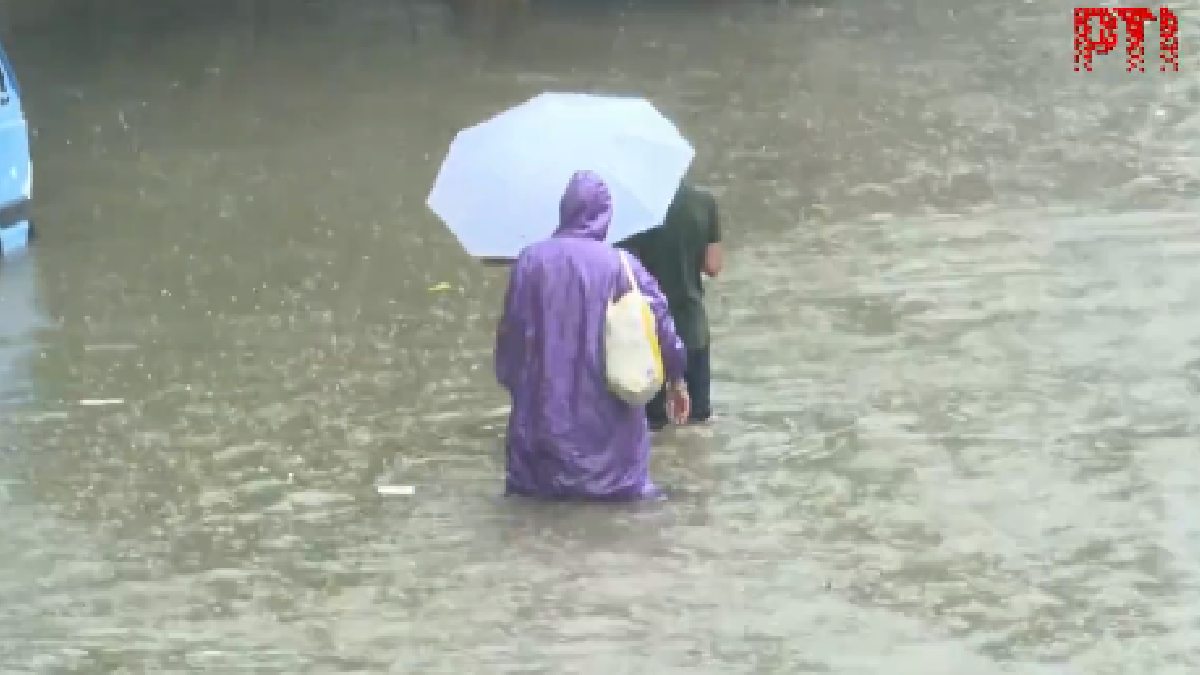
In one of the best examples of weather, parts of Gujarat received as much rainfall in 24 hours as Delhi would typically have for the entire year in the monsoon season, which shows the increase and unpredictability of India’s monsoon season as a whole.
According to meteorological information, many districts in Gujarat experienced extremely heavy rainfall as the Arabian Sea had a strong low-pressure system over the Arabian Sea and favourable monsoon conditions.
Rivers overflowed, urban areas were flooded out of control, roads collapsed, and people were stuck in waterlogged areas. The flood victims were evacuated and emergency teams were sent to assist people in the area affected by flood.
In comparison, Delhi typically experiences an annual average rainfall of around 800 mm per year. But some parts of Gujarat experienced rainfall closer to or even over 800 mm in one day, which is one of the most intense rainfall events of the season.
Weather experts say such cloudburst-like events are becoming more common as climate patterns and sea surface temperatures change.
The India Meteorological Department (IMD) has issued alerts for heavy to very heavy rainfall in some districts of Gujarat in the next few days. Residents living near rivers, dams, and low-lying areas should be wary and follow the advice of local authorities to be on guard.
The heavy rainfall had an impact on daily life. Schools were closed in some districts, trains were delayed, and highways were shut down because of flooding. Agricultural fields were also damaged, but if the rain is managed properly, water reservoirs and groundwater recharge could be beneficial.
Delhi and parts of northern India have been experiencing relatively moderate rainfall in the monsoon season. The disparity between Gujarat’s record-breaking downpour and Delhi’s average annual rainfall is provoking a lot of debate among weather experts and environmentalists.
VIDEO | Ahmedabad, Gujarat: Heavy rainfall causes waterlogging as several areas of the city remain submerged.
— Press Trust of India (@PTI_News) July 24, 2026
(Full video available on PTI Videos - https://t.co/n147TvrpG7) pic.twitter.com/tKBdmxl0yr
Climate scientists believe extreme rainfall events are becoming more common across India. Rising global temperatures allow the atmosphere to store more moisture, which can lead to short-duration but extremely intense rainfall. Such flood events are further exacerbated by urbanization, inadequate drainage systems, and encroachment on natural water bodies.
Gujarat authorities have activated disaster response teams and are monitoring reservoir levels. Fishermen have been advised not to venture into the Arabian Sea due to rough weather; people have been asked not to go out in the rain during torrential storms.
The monsoon comes back to remind us of new threats of climate change and extreme weather. Better urban planning, better flood management, and early warning mechanisms are required to reduce the disaster impact, experts say.
With more rain forecasted over the next few days, the authorities will monitor the situation closely, urging residents to remain alert and prioritize safety.