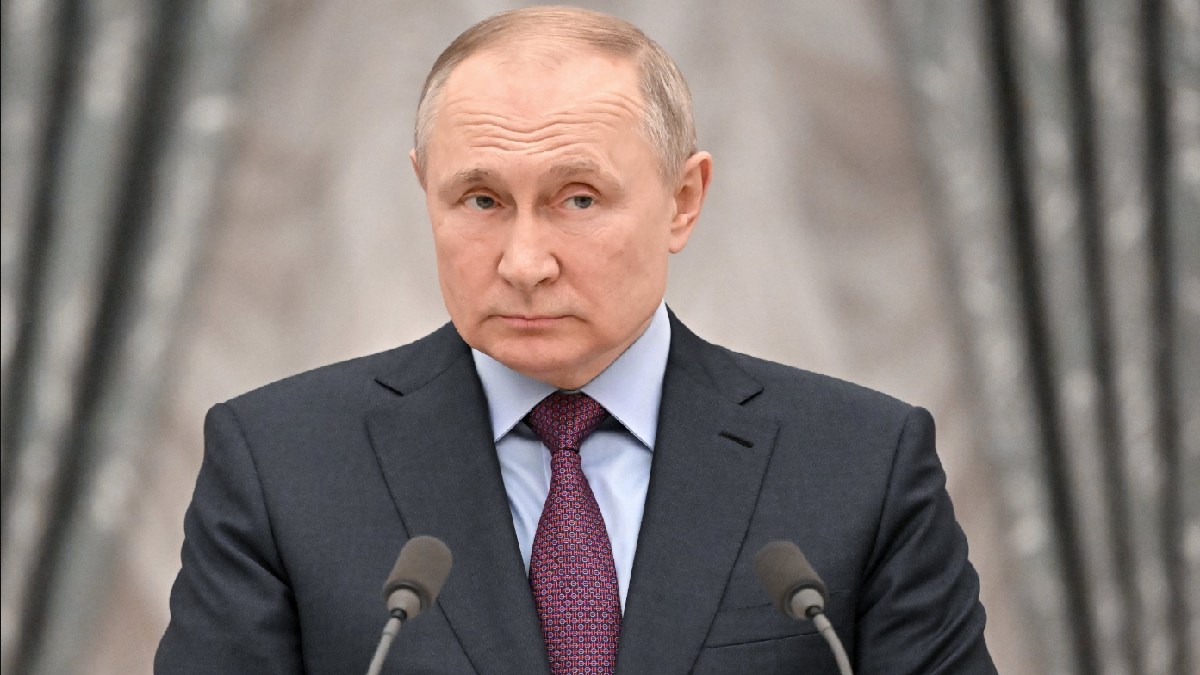
A new video of Gurpatwant Singh Pannun, a Khalistani separatist designated as an individual associated with terrorism under Indian law, has appeared online in which he makes a series of political claims and once again calls for the disintegration of India.
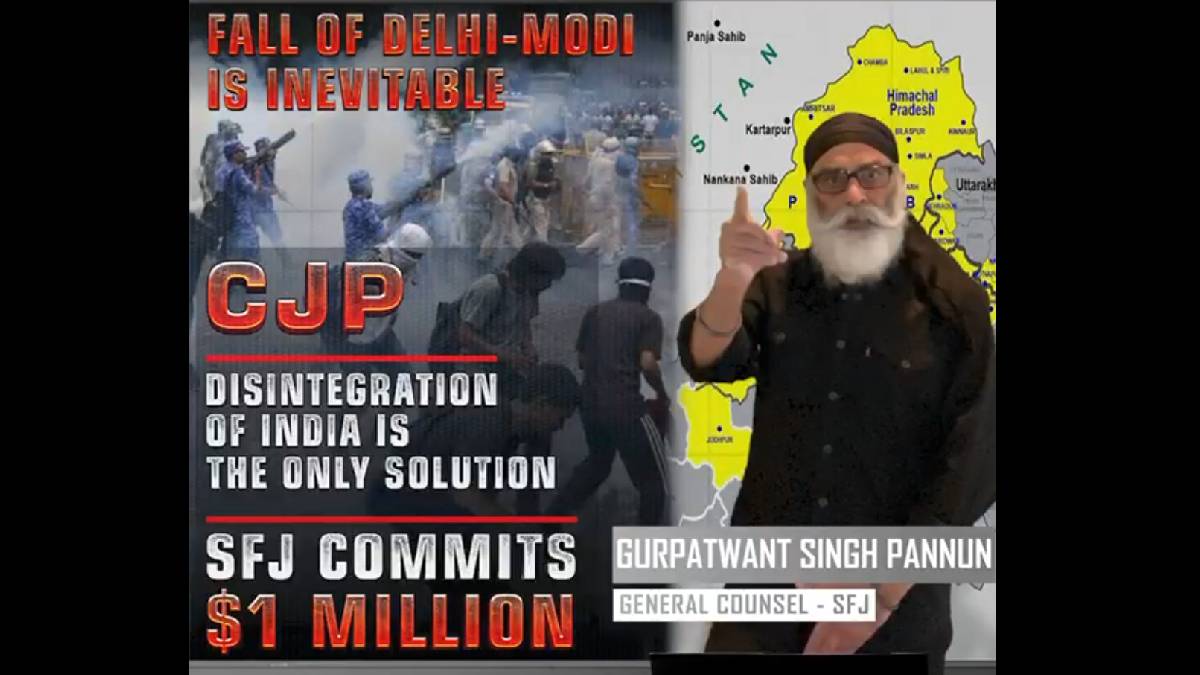
Pannun claims to have participated in the virtual Zoom meeting with some political leaders in the video. He also claims that the ‘fall’ of the current government and Prime Minister Narendra Modi is inevitable. As well as political rhetoric, he says a change in government would not be a permanent solution, and he keeps calling for the breakup of India in a long-standing manner.
Big news : In this video, American Khalistani terrorist Gurpatwant Singh Pannun claims that he had a zoom meeting with cockroach Janata party leaders.
— Mr Sinha (@Mrsinha) July 22, 2026
He further said that the fall of Delhi and Modi is invitable.
He said that the fall of Modi is not a permanent solution but… pic.twitter.com/VgXXpbjPCY
These are claims made by Pannun in the video and have not been independently verified. As of writing, there is no official proof or publicly available evidence supporting the alleged meeting or the assertions made in the video.
Pannun has frequently circulated videos with separatist messaging, anti-India messages and calls in support of the Khalistan movement via online platforms and social media. Indian authorities have repeatedly referred to such content as extremist propaganda and have taken legal measures against individuals and organizations that are promoting activities which can damage the country’s sovereignty and territorial integrity.
Over the years, security agencies have intensified efforts to monitor such content on the internet and particularly the kind that encourages violence, spreads misinformation or tries to incite separatist sentiments. Propaganda aimed at undermining India's unity and security is under investigation and legal action under applicable laws, officials said.
The latest video has received a lot of attention on social media because of its political allegations and provocative comments. However, experts recommend that a video with sensational claims should be evaluated carefully, especially if it is made by people or groups with a history of disseminating unverified or politically motivated content.
The alleged contact with political figures has also attracted attention. There is no public evidence as of now that the interactions are reported, and no official response from the people or organizations that appear in the video has been made; the claims are not verified until a credible source is available.
It points to the broader problem of online extremist propaganda. Digital platforms have become channels for rapid dissemination of political messaging and ideological campaigns to the broad public in a way that can reach them globally. Governments around the world are still wrestling with the balance of freedom of expression and the need to prevent content that is too violent and too dangerous for national security.
In India, counter-terrorism agencies have repeatedly observed that separatist propaganda through digital channels is closely monitored. Also, the public should always seek verified information from credible sources and should not simply spread unverified claims on social media, the government said.
With investigations and official responses still in progress, we need to verify the authenticity of the video and not allow misinformation and extremist narratives to gain traction. The episode is yet another reminder of the need to assess online content critically when allegations are made that have implications for national security and public discourse.