The rise in H1N1 influenza cases in various parts of India is leading health authorities and medical organizations to be more watchful and to advise people not to panic or seek self-medication. Now more people are showing flu-like symptoms in Delhi and several other places in India, hospitals are reporting. There is no new or unusual H1N1 strain, authorities said.
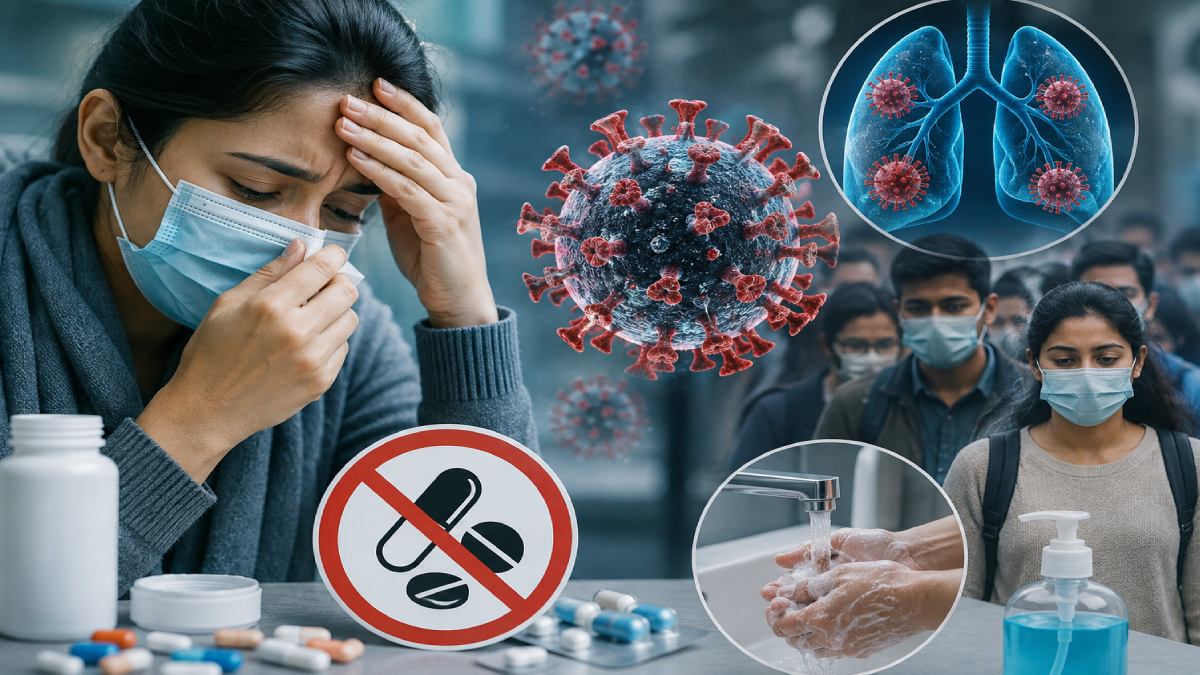
Delhi is one of the cities that has seen a significant increase in H1N1 infections. More than 2,300 H1N1 cases have been reported by August 26. Health authorities have asked hospitals to beef up preparedness. The Delhi Medical Association has also advised residents to keep respiratory hygiene, avoid crowded places when possible and seek medical help if flu-like symptoms develop.
The increase has naturally raised the public’s fears because H1N1 is commonly associated with “swine flu.” However, health experts insist there is no need for widespread panic. The Union Health Ministry, as well as the Indian Council of Medical Research (ICMR) and other agencies are continuing surveillance of influenza activity across the country.
One of the strongest warnings from doctors concerns self-medication. The Indian Medical Association (IMA) has said people should not be given antibiotics without medical advice. H1N1 is caused by a virus and antibiotics are unable to treat viral infections. Antibiotics can be prescribed when a doctor identifies a secondary bacterial infection, but they should not be taken simply because someone develops fever, cough or other flu symptoms.
Doctors have also advised against any individual taking antiviral medicines. Whether an antiviral is appropriate depends on the person’s health status and the extent of the disease. Medical experts have said early professional assessment may be especially important for people at greater risk of complications.
H1N1 influenza can lead to fever, chills, cough, sore throat, tiredness, headache and body aches. There can also be runny (or blocked) nose and gastrointestinal symptoms. Most cases are mild in nature and do not have major complications but some people are more susceptible to serious illness.
Older adults, young children, pregnant women and people with certain underlying health conditions may require special attention if they are experiencing influenza-like symptoms. Medical experts have suggested that they seek professional advice if symptoms are serious, persistent or worsening.
The current rise is occurring during the monsoon and seasonal transition, periods when respiratory infections can be more prevalent. Crowded indoor environments can also promote the spread of respiratory viruses. Health experts continue to recommend basic preventive measures like handwashing, covering the mouth and nose while coughing or sneezing, and avoiding close contact with others when experiencing flu-like symptoms. A well-fitted mask in crowded or enclosed environments can also reduce transmission.
Health officials also recommend that people who are unwell avoid contact with others. When sick, staying home may help to avoid respiratory infections in family members, classmates, co-workers and other members of the community.
The government’s message is one of vigilance not alarm. The Ministry of Health has said that influenza surveillance is continuing through national systems involving health authorities, ICMR and the National Centre for Disease Control. That monitoring allows officials to track circulating strains and assess if there are changes in disease patterns or severity.
The current situation also demonstrates the importance of avoiding misinformation. Increased reported infections do not necessarily mean a new pandemic is developing. There is no indication of a new pandemic threat or unusual H1N1 strain at this time, experts have said.
The point for the common man is simple: remain alert, take basic hygiene precautions and seek medical advice when symptoms are worrying. Seasonal flu infections are mild but people should not give up until symptoms are very severe or worse.
As H1N1 activity continues to be monitored across India, health officials and doctors are focusing on early recognition, responsible treatment and prevention. Medications that do not have professional advice remain at the core of this approach, most notably antibiotics and antivirals.
The rise in H1N1 still is a cause for vigilance and sensible precautions, not panic, and is why we should be aware and take precautions, and not panic. Keeping surveillance and timely medical care on the rise is also how authorities manage seasonal upsurges and minimize complications and transmission.