Having been hit by an enormous lack of petroleum products and losing resources at a rapid pace, the Pakistan government is said to be drafting an emergency executive order to order that the public and private sectors work from home (WFH). The step has been taken in the face of the increasingly precarious state of the country’s energy security as the regional conflict in the Middle East has clogged the supply lines from the Gulf and sent the price of oil globally well north of $140 a barrel.
An Emergency Measure for Survival
The Ministry of Energy and the National Command and Operation Center (NCOC) late Wednesday had high-level discussions to finalize the "National Fuel Conservation Plan." Under the planned guidelines, all non-essential offices, universities, and corporate headquarters are required to implement a 100% remote working model (for a minimum of two weeks) as part of this arrangement.
Some critical components of the emergency plan are:
- Mandatory WFH: To transition all federal and provincial government offices (other than emergency services) remotely.
- Commercial Curfews: Markets and shopping centres could be required to go dark by 7:00 PM and close in order to conserve electricity and fuel for generators.
- Fuel Rationing: Speculation over a “quota system” at private vehicle petrol pumps has spurred panic-buying in large cities, such as Lahore, Karachi and Islamabad.
The "Dry Out" Fear
The crisis was ignited by the diversion or postponement of several oil shipments going to the Port of Karachi following naval blockading in the Strait of Hormuz. By current estimates, Pakistan’s critical oil reserves are now thought to have fallen below seven days supply.
“We're in a war-like economy,” an anonymous senior employee of the Petroleum Division told the news organization. “The goal is to reduce the national daily fuel usage by 30% to 40% right away. The nation, without urgent solutions, could suffer a full-blown transportation and electricity grid collapse by next weekend.”
Public and Corporate Reaction
The news has also evoked a blend of anxiety and practicality. While the tech and freelance industries already booming in Pakistan are set for the move, the manufacturing and retail sectors are frightened of a huge hit to the GDP.
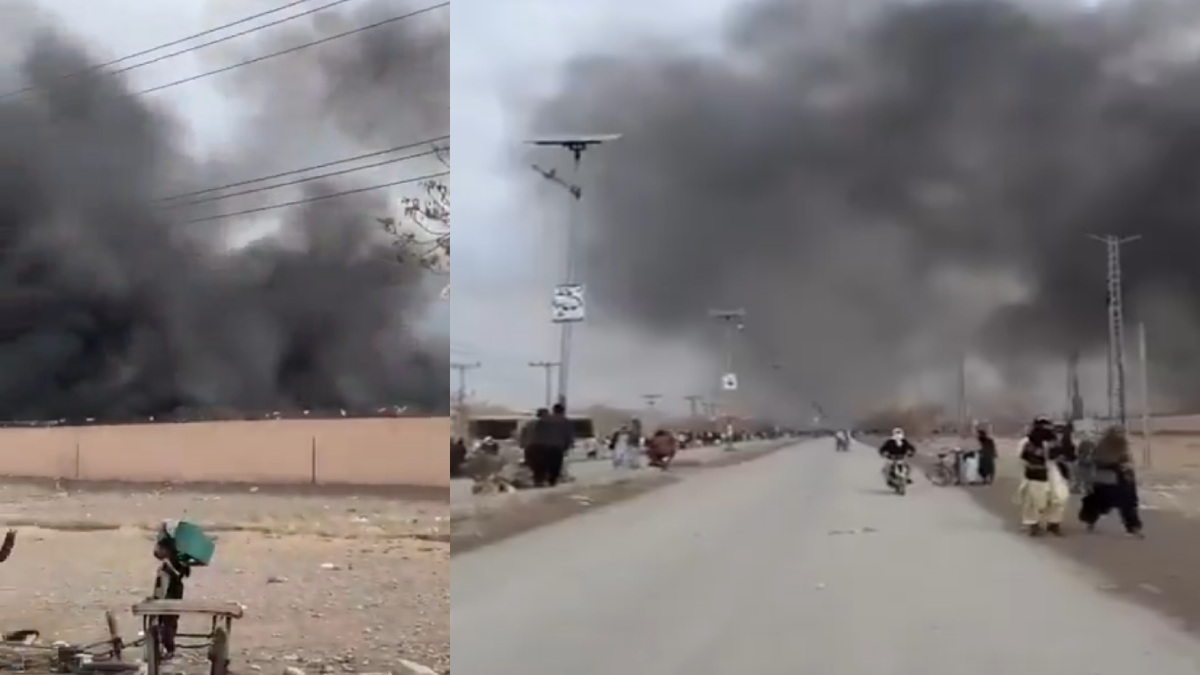
- The Pro-WFH Perspective: Environmentalists also maintain that the dwindling traffic could help alleviate the smog that is now toxic to the Punjab province, some think.
- But for small businesses with inconsistent internet and the steep cost of electricity available for home offices, WFH will become financially unattainable for everyday workers.
Regional Context
Pakistan’s energy woes are exacerbated by the “Triple Crisis,” the Iran-US-Israel war, the shuttering of the Iranian border (an important conduit for informal fuel trade) and the devaluation of the rupee. The IMF continues to weigh the country’s next tranche of bailout; the government is under enormous pressure to show fiscal restraint as it deals with what might be a literal “darkness” in the streets now.
Prime Minister Shehbaz Sharif will address the nation on Friday when he will announce the commencement date of the mandatory WFH policy.