Haryana Health Minister Arti Singh Rao on Wednesday called for greater adoption of AYUSH healthcare systems, and emphasized the potential of these systems in dealing with chronic diseases. Speaking in Chandigarh on August 12, the minister stated that traditional systems of medicine are still relevant in a context of lifestyle-based diseases in which lifestyle-related diseases are becoming more frequent.
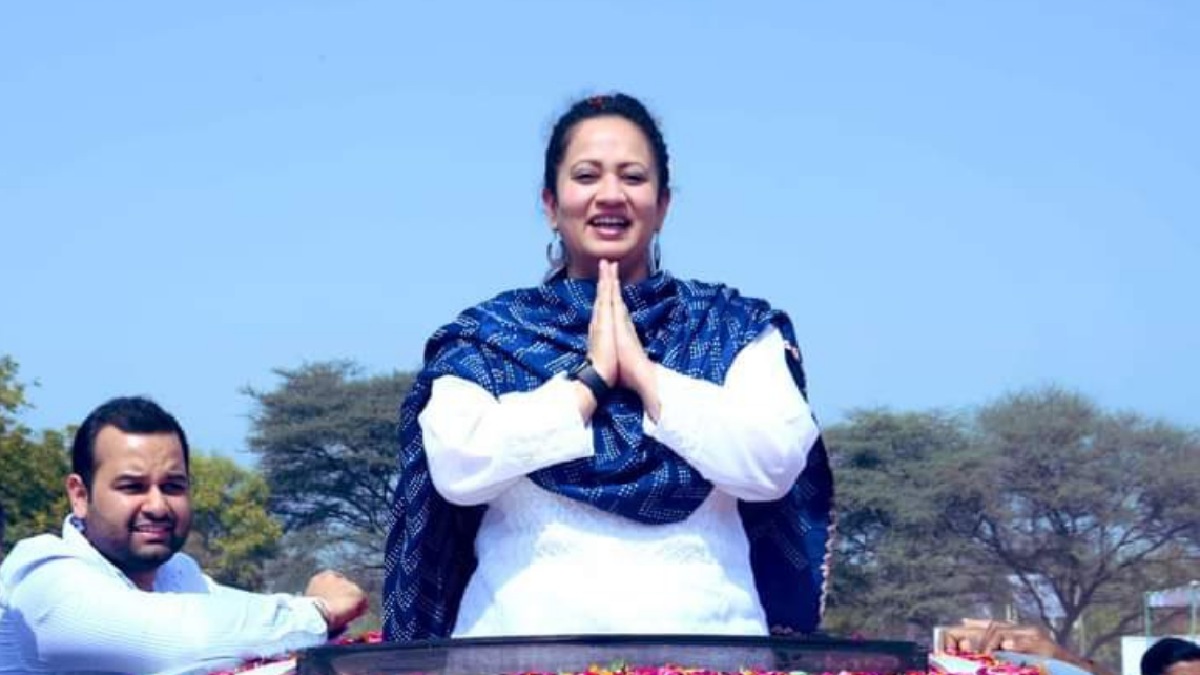
AYUSH refers to Ayurveda, Yoga and naturopathy, Unani, Siddha and homoeopathy. Rao said these systems have been practiced in India for centuries and are gaining recognition not only in India but in the world. She said people should incorporate appropriate AYUSH-based healthcare and healthy lifestyle practices into their daily lives to achieve better health and wellness.
The increasing burden of lifestyle-related illnesses is the reason for the growing interest in traditional and complementary healthcare systems, the minister said. She said the Haryana government is working to build healthcare infrastructure and awareness; residents, particularly those in rural and remote areas, have access to a wider range of healthcare services.
As part of the initiative, the state recently organised the Rashtriya Poshan Maah and Seva Pakhwada on a vast scale. During the campaign, the AYUSH department conducted around 1,771 health camps across Haryana. These camps provided free health check-ups and medical consultations to more than 10,900 people, added the statement.
Rao said the state is also strengthening its dedicated AYUSH infrastructure. Haryana has four major Ayurvedic hospitals, including a 100-bed hospital in Kurukshetra, a 25-bed hospital in Bhiwani, a 10-bed hospital in Imlota village in Charkhi Dadri and another 100-bed hospital in Narnaul. In addition, a Unani hospital has been established at Sihol in Palwal and a homoeopathic hospital is operating at Chandpura in Ambala.
The state's AYUSH network goes beyond major hospitals to the primary healthcare area. Six Ayurvedic Primary Health Centres are currently in service in Haryana. Two of them are located in Kaithal, while Panipat, Rohtak, Sirsa and Jind have one centre each. The expansion of such facilities is meant to bring traditional healthcare services closer to communities, especially those located away from major urban centres.
Panchakarma treatment has also been taken up in the state’s AYUSH expansion plan. Six Panchakarma centres are being operated by the Haryana government, two each in Ambala and Panchkula and one in Karnal and Jhajjar. There are also 21 Panchakarma centres under the National Health Mission, further expanding access to the specialised Ayurvedic treatment approach.
The state has also established a large network of AYUSH dispensaries. Rao said 515 Ayurvedic, 16 Unani and 24 homoeopathic dispensaries are currently providing healthcare services in Haryana. The Institute of Indian Medical Systems and Research in Panchkula is also an important centre for research and innovation related to Indian systems of medicine.
Under the National AYUSH Mission, the state has also incorporated traditional healthcare services into its public health system. Currently, 21 AYUSH wings are working in district hospitals and 102 AYUSH inpatient departments are operational in community health centres. Another 106 AYUSH outpatient departments are functioning at primary health centres. Many of these include rural and remote locations and can provide access to healthcare at a much lower level, especially for rural and remote areas.
Rao also highlighted Haryana’s focus on AYUSH education and research. Shri Krishna AYUSH University in Kurukshetra is an important centre for education and development in Indian systems of medicine. The state already has one government Ayurvedic college and 12 private Ayurvedic colleges offering medical education, helping to develop a pool of trained professionals to support the expanding AYUSH healthcare system.
The minister said Ayurveda, Yoga and naturopathy, Unani, Siddha and homoeopathy have a long history in India and contribute to healthcare and wellness. Her appeal arises in a time of greater health awareness around preventive care, healthier behaviour and the need to be aware of different ways to tackle long-term health problems.
Rao suggested that people adopt healthier daily habits and make informed choices regarding healthcare. Good health can be maintained with routine, nutrition and wellness, she said. The Haryana government is continuously expanding AYUSH systems to make them more accessible and improve healthcare delivery across the state, especially for rural and remote areas.