Heavy rains struck Srinagar on Sunday after eight hours of darkness and heavy rains again hit Srinagar today morning after a five-hour lull, putting the whole region of Jammu and Kashmir in a high state of alert with heavy rains to be expected to hit Srinagar and officials in a state of high alert in the entire region of Jammu and Kashmir. The torrential rainfall has resulted in severe waterlogging, flash floods, and landslide danger in areas in which people have been displaced, as well as landslides in vulnerable areas where waterlogging, flooding, and landslides are frequent. The rains have taken place in Srinagar, and a number of people’s efforts to go on to flood the region are in a state of high intensity such as a disaster situation.
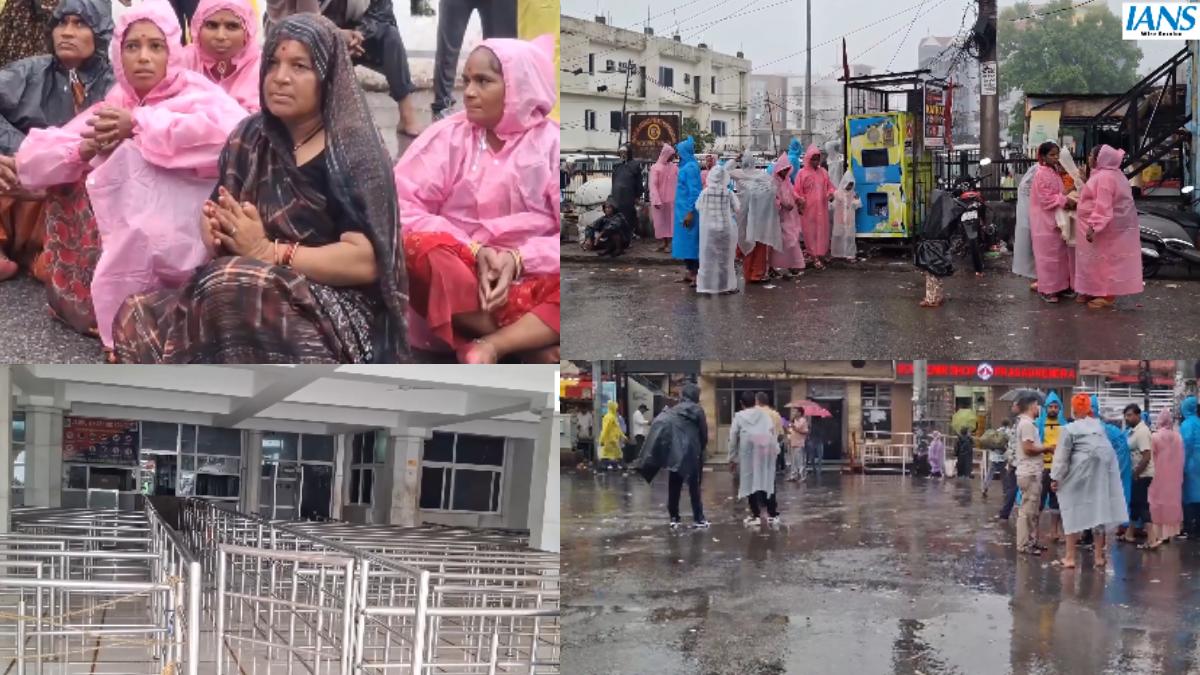
The rain returned in the morning, when there had been a brief respite which had been part of the relief for the residents and emergency response teams, but the rain was soon heavy and water in many low-lying areas quickly accumulated, causing traffic congestion and disrupting the daily lives of local people. With such problems, municipal and disaster management personnel have been monitoring the situation, and the drainage systems are working as per the rainwater management system to minimize the impact of the rainwater.
The India Meteorological Department (IMD) has been monitoring weather conditions in the region at different levels and has already issued forecasts of heavy rainfall for a number of Jammu and Kashmir districts. Officials have advised residents to be observant, especially when it rains frequently in areas of the region near rivers, streams, and hills that are prone to mudslides, which are susceptible to flooding and slope failures when it rains.
The most serious impact of the severe weather has been on the Mata Vaishno Devi Yatra, one of India’s cherished Hindu pilgrimage routes. It has been decided to keep the pilgrimage route shut down as a safety measure for the devotees and the safety of their lives as a precautionary action because of the threat of landslides, slippery roads, and falling rocks.
The Shri Mata Vaishno Devi Shrine Board is closely tracking the weather situation and is monitoring the situation and considering the possible resumption of the pilgrimage. The suspension of the yatra is purely preventive and is rooted in a commitment to keeping all pilgrims safe.

On any given day of the pilgrimage season, thousands of devotees visit the Vaishno Devi shrine to participate in this journey. But the continuous rainfall has made trekking routes unsafe, and the government has halted all travel until weather conditions are right and to ensure that route inspections have been conducted so that it is safe to resume the yatra.
Emergency response teams like the NDRF, State Disaster Response Force (SDRF), local police, and various branches of local administration are on high alert and stationed on the front lines. Emergency teams are supplied with essential emergency equipment, medical assistance, and shelter supplies for rapid response when the situation gets worse.
The heavy rain has also disrupted transportation systems in some parts of the Kashmir Valley. Drivers are being strongly advised to avoid unnecessary travel on mountainous roads that are prone to landslides and mudslides, where landslides can pose significant risks to drivers in mountainous areas of the Kashmir Valley.
Civic officials in Srinagar are aggressively preparing for urban flooding with dewatering pumps and clearing drainage systems. Teams of workers have been checking particularly vulnerable areas to minimize the disruptions caused by waterlogging. Residents need to take part in this and report any clogged drainage systems or weather-related crises to local authorities at once.
Agriculture is a very real issue for the Union Territory, and the ongoing rainfall poses threats to standing crops and orchards in many parts of the Union Territory. Farmers are closely monitoring weather conditions, and agricultural officials stress the potential impact of heavy rainfall on seasonal agricultural production, which is an important part of the local economy.
Tourism, which is a crucial economic sector in Kashmir, has also been affected by the heavy rains. Travelers planning to visit the region are being advised to be weather aware and to follow travel advice before traveling to some of the most popular tourist destinations. Tourist operators are working with local officials to ensure the safety of tourists and to keep them away from the most dangerous places.
Given the situation, officials have pointed out that for the safety of the public, we should avoid spreading unverified information on social media about the weather situation. People should rely upon the official bulletins issued by the India Meteorological Department, district administration, and disaster management authorities for accurate and timely information.
Katra, Jammu and Kashmir: The pilgrimage to the Shri Mata Vaishno Devi Shrine remained suspended for the second consecutive day due to heavy rainfall and adverse weather pic.twitter.com/427CZAW1s0
— IANS (@ians_india) July 20, 2026
It is therefore said that we will maintain the suspension of the Mata Vaishno Devi Yatra until a safety assessment confirms that the trekking route is safe for the pilgrims. When the weather is right and all the essential restoration work is done, the Shrine Board will inform the pilgrims via official means and communicate the pilgrimage resumption to them.
As Jammu and Kashmir is coping with challenging and unpredictable weather conditions, disaster management agencies are constantly monitoring the situation. They emphasize the importance of preparedness, timely response, and public cooperation to minimize the impact of heavy rainfall and to ensure the safety of both residents and visitors in the region. The collective effort of authorities, emergency response teams, and the community at large will be essential to overcome the problems of the current bad weather situation.