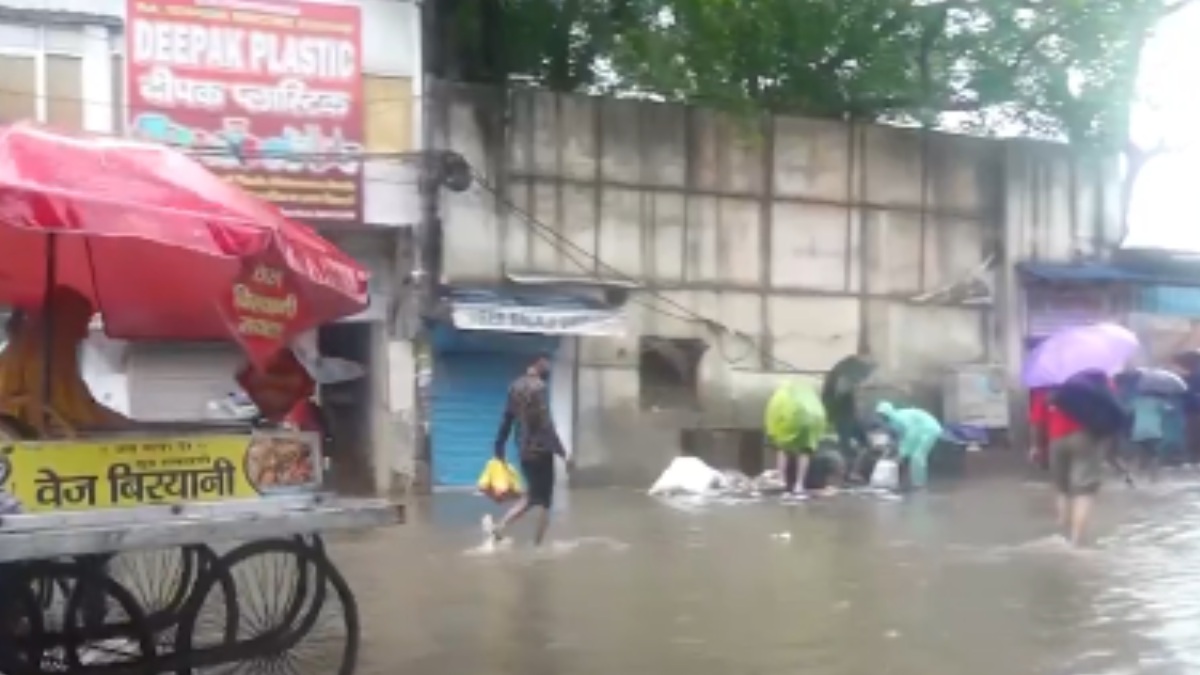
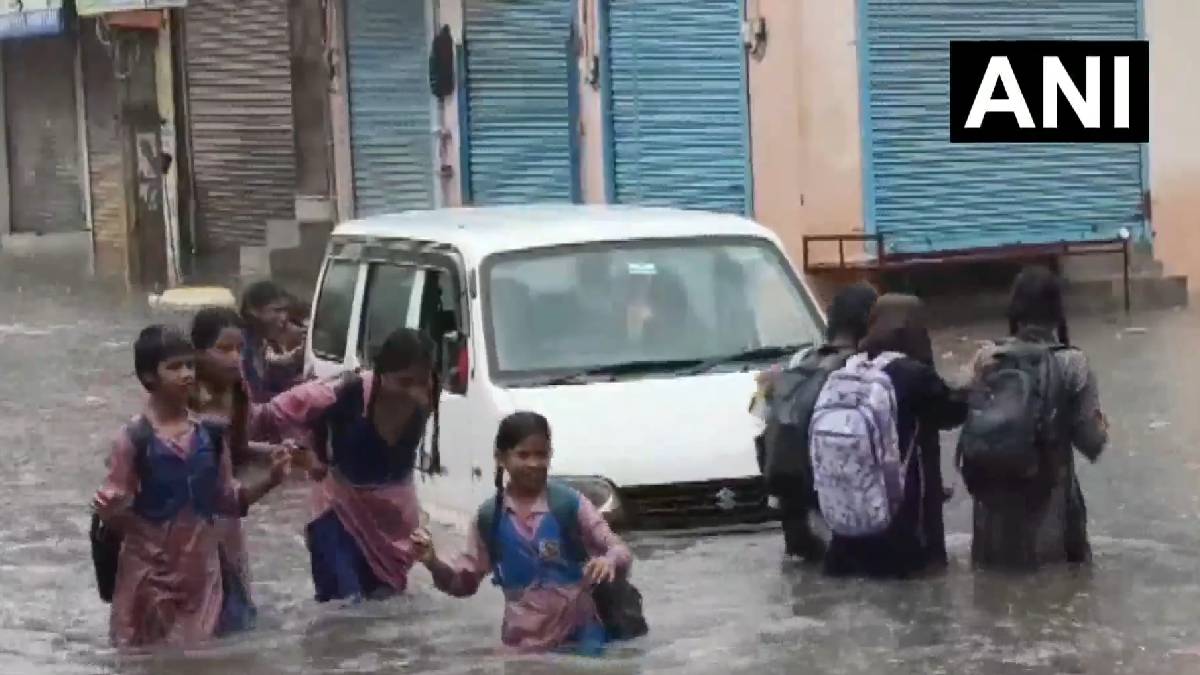
Heavy monsoon showers flooded some parts of the national capital and flooded major roads in Tughlakabad’s major arteries of the city, which could be inundated with 2 to 3 feet of rainwater, leaving most of the city in Tughlakabad with 2 to 3 feet waterlogged roads under 2 to 3 feet of rainwater, blocking traffic in large areas of Tughlakabad and causing heavy monsoon rains and causing traffic to get stuck in the city’s central core in the country's capital to be inundated by heavy monsoon showers and disrupted daily life.
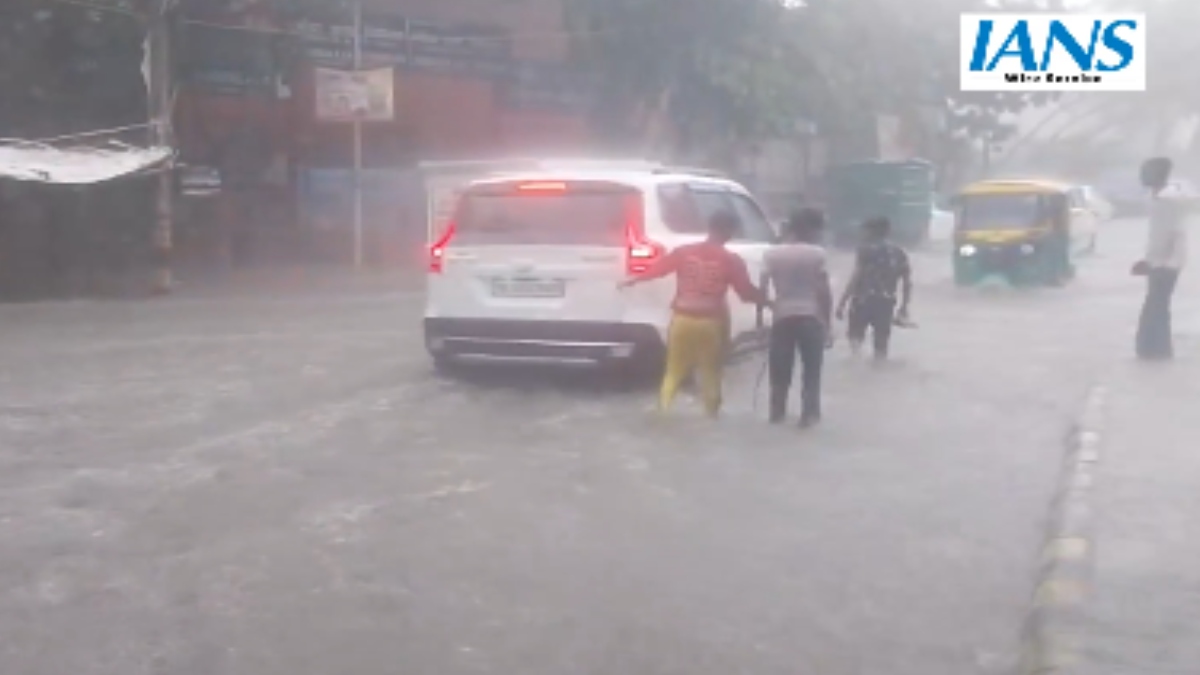
Waterlogging on most of Tughlakabad's main roads resulted in long road traffic congestion, slow-down of traffic flow and traffic jams on main roads and traffic snarls at the main roads and roadblocks and lengthy roadways, a major inconvenience for office-goers, school children, local residents and emergency services in the region that they can't find the area has been affected by heavy rains and heavy rains in the area the damage and roadways, and emergency services working in the vicinity are all too frequently flooded with waterlogged roads and traffic and traffic jams to be very bad for people in the area was also very bad for the area’s life-changing traffic.
Flooding was reported on the main roads of Tughlakabad in the wake of heavy rains, and rainwater was building up faster than it could be drained. Videos and photos circulating on social media showed vehicles driving slowly in flooded streets and drivers had to wait for water levels to recede before returning to their destinations, and commuters were put off from driving.
Commuters experienced long delays as traffic along flooded roads through the inundated roads did not move fast as traffic was held up by the inundated roads. Smaller vehicles struggled to pass through the standing water in some places and two-wheelers were having trouble getting through the flooded streets, and small cars had difficulty making it through the flooded roads and two-wheelers had trouble reaching some places they were unable to drive through the standing water and others in the flooded streets had trouble in the water, even two-wheelers were having trouble in some places. Many pedestrians were seen wading through knee-deep water to get to the bus stops, markets and residential colonies.
The waterlogging once again highlighted the recurring problems faced by Delhi during the monsoon season. Despite desilting drives prior to the monsoon and preparations by the local government, many low-lying areas are flooded every time a heavy rainfall is reported.
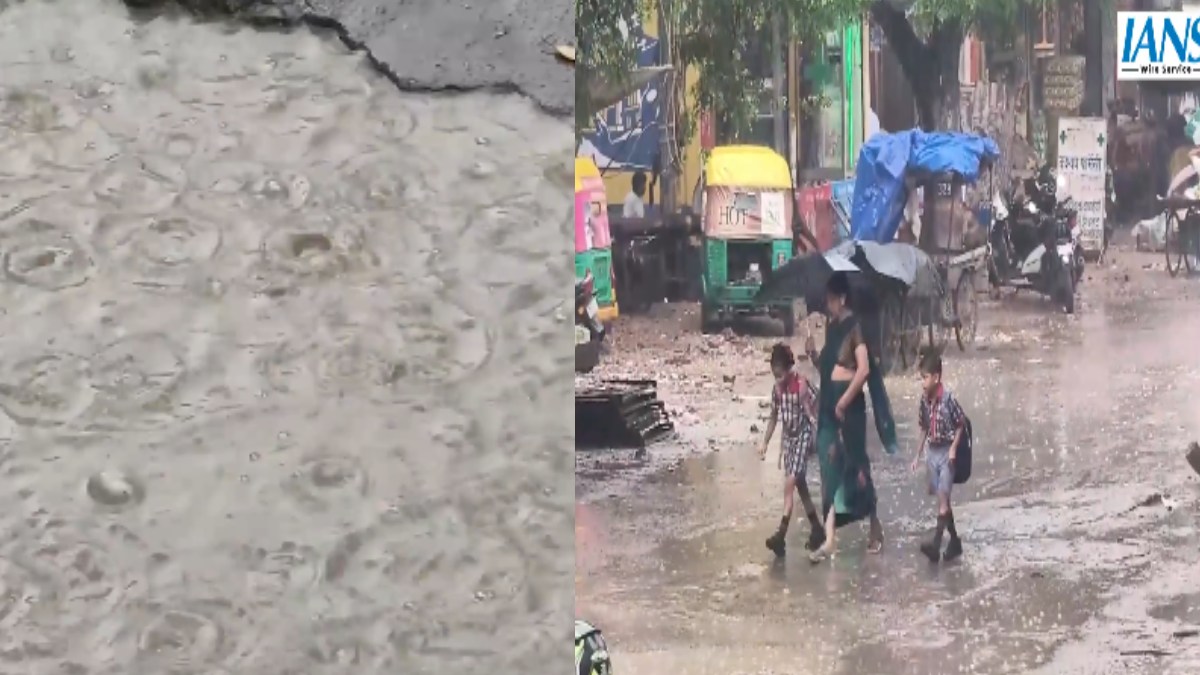
Tughlakabad residents expressed frustration over the perennial problem of heavy rain and said that it tends to accumulate water in the city and disrupt daily life routine. Local shopkeepers reported less footfalls as a result of flooded roads and delivery and public transport were delayed.
Traffic police were deployed at several affected junctions to control traffic flow and avoid congestion. Drivers should avoid the waterlogged streets and use alternate roads if possible until the situation improves, authorities said. Traffic diversions were implemented at some locations to facilitate smoother movement on adjoining roads.
Apart from affecting commuters, the waterlogging also raised concerns about road safety. Driving in deep water can damage engine performance, braking efficiency and increase the risk of accidents, say experts. Hidden potholes beneath floodwater are a hazard for drivers and two-wheeler riders too.
Waterlogging in metropolitan cities occurs due to many different factors, including torrential rains, overuse of natural drainage channels, over-clogged stormwater drains and rapid urbanisation, urban planning experts said. Improvement in drainage infrastructure and regular maintenance is therefore crucial to preventing flood-related problems in the monsoon season.
The incident has also brought back the question of climate resilience in fast-growing urban centres. Climate variability has been shown to lead to more frequent, short-duration, heavy rainfall and is putting more pressure on existing civic infrastructure. So cities could need to upgrade the drainage system to accommodate changing rainfall patterns.
Business in parts of Tughlakabad were affected as employees and customers experienced delays reaching commercial establishments. Public transport services also operated slower in the affected areas and commuters were inconvenienced during peak travel times.
Emergency response teams remained on alert for any situation related to heavy rain, and civic agencies monitored water levels and started drainage operations to clear accumulated rainwater. Pumping equipment was deployed in areas where floodwater was heaviest to restore normal traffic.
Citizens should be careful when driving during heavy rainfall and should take care of road safety while travelling. They are advised to avoid unnecessary travel through flooded roads, follow traffic advisories, maintain safe driving speeds, and stay updated on weather alerts issued by official agencies.
The Tughlakabad waterlogging incident is another reminder of the necessity of strengthening urban drainage systems in Delhi. As the monsoon season continues, effective coordination between civic bodies, traffic authorities, and emergency services will remain crucial to minimising disruption and ensuring public safety during episodes of heavy rainfall.