Heavy rain and strong winds have disrupted the daily life of Delhi on Monday and air traffic at Delhi airport has also been affected by the adverse weather conditions that came in the national capital. As many parts of Delhi experienced heavy rain and strong winds, 14 flights, including two international flights, were diverted to other airports, airport officials said.
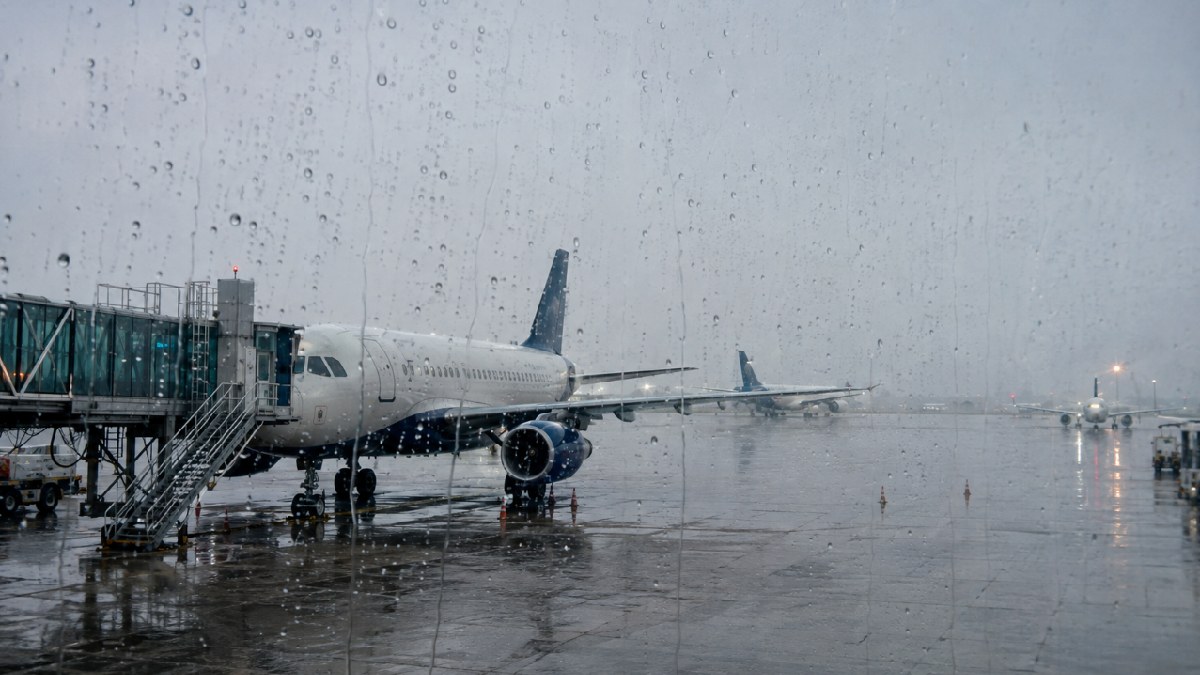
The weather-related diversions took place amid heavy rainfall across Delhi-NCR which brought some relief from humid conditions but also caused problems for commuters. Of the 14 flights diverted from Delhi airport, 11 were sent to Jaipur, two flights were diverted to Chandigarh, and another flight was diverted to Lucknow. The disruptions illustrated the impact that rapidly changing weather conditions can have on the condition of airport operations in the national capital.
The India Meteorological Department (IMD) had issued red and orange alerts for several parts of Delhi, warning of moderate to heavy rainfall, thunderstorms, and strong winds. Wind speeds of up to 40 kmph were predicted, affecting both road and air traffic. Poor visibility, strong winds, and heavy rainfall can cause aircraft arrival and departure problems, and diversions are warranted in order to keep people safe and the operations running smoothly.
The rainfall measurements recorded during the morning showed the uneven intensity of showers across the city. Chhatarpur was the city with the highest rainfall at 28 mm from 8:30 am to 11:30 am. Lodi Road received 24.6 mm and Pitampura 18.5 mm in the same time. The Ridge received 5 mm and Mayur Vihar 1.5 mm. Safdarjung received 1 mm and Ayanagar 0.1 mm.
The heavy showers also led to waterlogging in several places. Areas including New Ashok Nagar Metro Station, Burari, CR Park, and Alaknanda were among those where water accumulated on roads. Traffic congestion and difficult driving conditions were reported by numerous commuters on social media, and waterlogged stretches were causing traffic to slow down in different areas of the city.

The rainfall also caused road traffic to be affected greatly. As water accumulated in low-lying areas, commuters faced longer travel times and traffic bottlenecks. Heavy showers, reduced road visibility, and strong winds were causing problems for drivers and pedestrians too.
Although the rain was heavy, the showers provided relief from the humidity. Delhi’s minimum temperature at Safdarjung was 27.8 degrees Celsius and 1.4 degrees above normal. The Ridge recorded the lowest minimum temperature at 24 degrees Celsius.
The IMD predicted that the maximum temperature in Delhi would be around 34 degrees Celsius. However, continued rainfall and thunderstorms could keep the weather unsettled through the day, potentially affecting both road and air travel.
The weather disruption means air passengers could face delays and further diversions could still be possible if rains and strong winds continue. Those flying from Delhi airport have been advised to check the status of their flights directly with their respective airlines before leaving for the airport.
The latest disruption once again underlines the vulnerability of Delhi's transportation network during periods of intense monsoon activity. Although rain is essential for easing heat and improving water availability, heavy downpours over a brief span of time can overwhelm drainage systems and cause widespread disruption.
With the IMD still monitoring rainfall, thunderstorms, and wind conditions across Delhi-NCR, residents have been urged to remain cautious, especially in waterlogged areas. For air passengers, checking real-time flight information before beginning their journey remains especially important as weather conditions can change quickly.