New Delhi: In a landmark ruling that also guarantees the financial rights and dignity of married women, the High Court has ordered a husband to pay ₹10,000 per month as maintenance to his wife after hearing about her claiming to have been attacked for asking for ₹5,000 to pay household expenses.
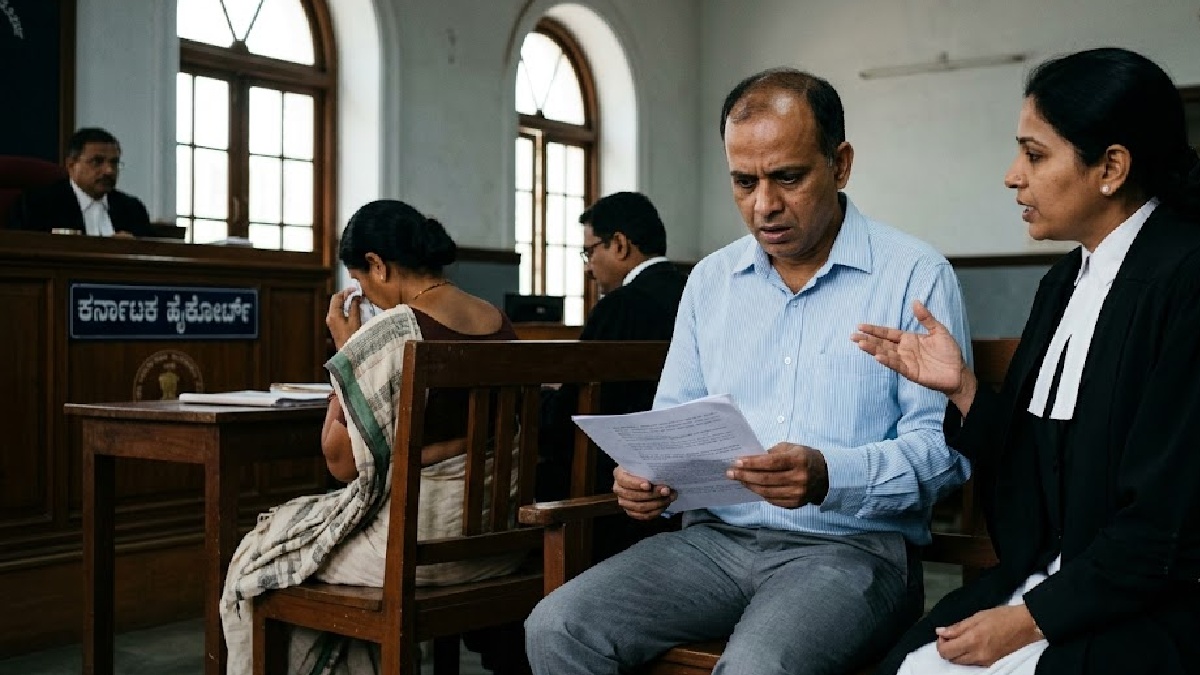
In the case, the marriage is characterized by financial help and mutual respect. The wife (an elderly woman) approached the court, claiming she had sought ₹5,000 from her husband to pay basic household expenses. Her husband refused her help, she claimed, and she said she was physically assaulted and neglected.
The High Court was concerned about the husband’s alleged failure to meet his responsibility of providing financial support to his spouse. A husband “must be a moral and legal provider of means to his wife to meet her daily needs and live a normal life.”
Based on the circumstances before it, the court ordered the husband to pay ₹10,000 every month as maintenance to the wife. The order was made to make sure she can make ends meet and maintain a reasonable living.
The judgment upholds the legal principle that maintenance is not just financial assistance but a statutory right available to an eligible spouse under Indian law. The courts have always held that maintenance ought to be sufficient to enable the dependent spouse to live with dignity and should reflect the financial capacity of the person liable to pay.
Legal experts cite Indian courts as having repeatedly said that denying financial assistance or subjecting a spouse to abuse for basic household expenses is inconsistent with their equality and marital responsibility. Maintenance provisions under various family laws are intended to protect people who are unable to maintain themselves and to avoid financial hardship.
The ruling is a reminder that domestic disputes involving financial neglect and abuse can have serious legal consequences. The courts weigh the facts of each case as well as the parties’ income, age, health, financial requirements, and the general condition to determine the amount of maintenance.
While the High Court has given the maintenance order, the detailed facts and legal reasoning will depend on the specific facts and evidence presented in the case. And, as in any judicial matter, the parties are entitled to seek further legal remedies if allowed under the law.
The judgment has been noted for its importance to spouses’ financial security and dignity, and especially elderly women who may be financially dependent. It also underscores the judiciary’s continuing role in safeguarding the rights of vulnerable people within the framework of family law.