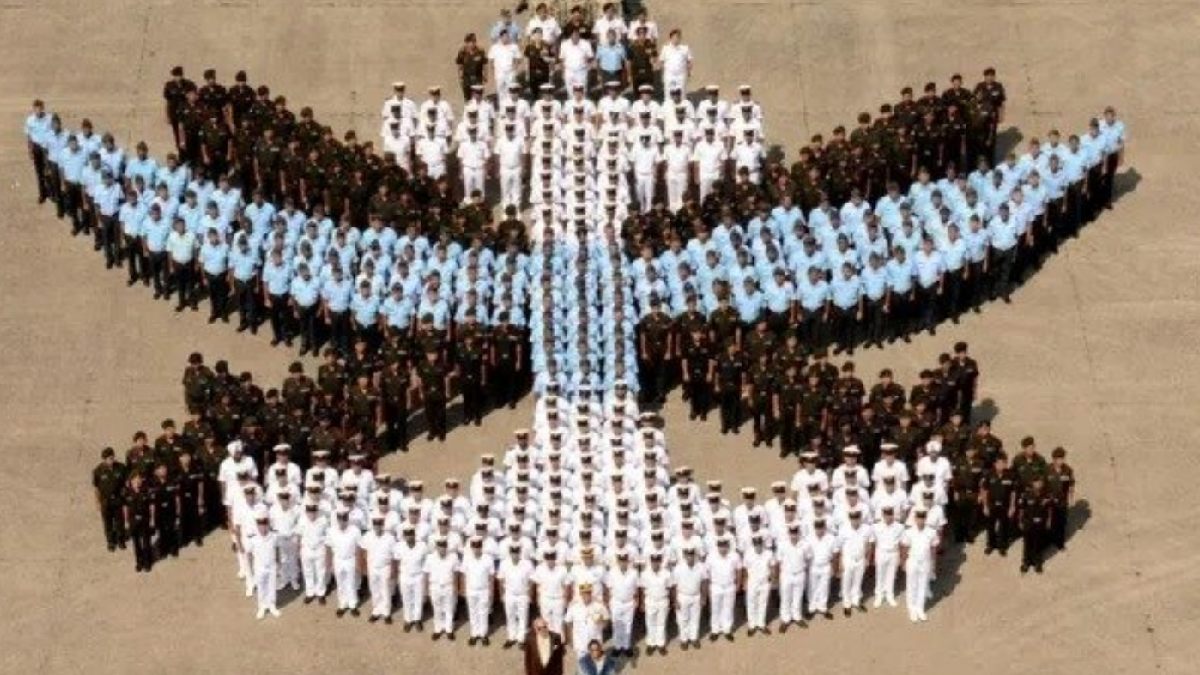
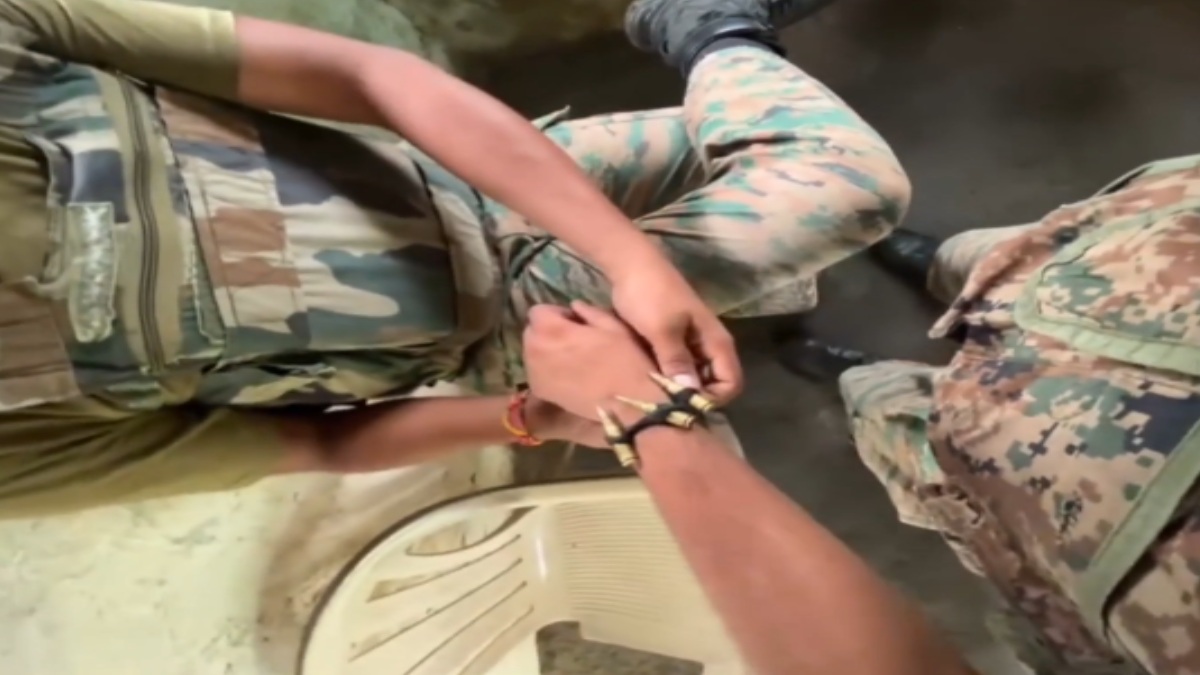
Raksha Bandhan, a festival of brothers and sisters and a traditional ritual for Indian Army soldiers, was on display for the soldiers to tie bullets on their wrists as part of this festival. The unusual celebration made the soldiers who participate in festivals, in their jobs, talk about the duty, courage, protection and brotherhood (and the way in which it’s done).
Festival for the armed forces has emotional significance of its own for many of them. Many of the soldiers in India come together to celebrate Raksha Bandhan and send their families to their homes and loved ones but because they are soldiers they are away from home, not in a good way from their loved ones. They have to spend time at military posts, camps and operational locations with their soldiers and have to go to war locations, so celebrating with colleagues can provide a sense of camaraderie and provide the atmosphere of family bonding.
The use of bullets in the Raksha Bandhan ceremony shows how special duty is to a soldier and how important it is to him and what a soldier's duty is. Instead of focusing on the usual aspects of the festival and the traditional protection works, the gesture connects the traditional concept of protection with duty of the soldiers and the duty of the armed forces.
As a ritual of the rakhi (love and protection) and a bond of protection, it's symbolic if it is performed by those in the armed forces who actually are doing their duty of protecting the country.
The images and stories of soldiers participating in such celebrations tend to receive a lot of attention and often are very popular as they provide a glimpse of life inside the military. Not only do soldiers share their own traditions, celebrate festivals, spend time together and share experiences with each other and family members. These are also moments that convey the close relationships that develop among people in the military when they are together and work together, often under stressful situations and so you can see the sense of community.
Raksha Bandhan is celebrated across India with sisters usually tying rakhis on their brothers’ wrists and families exchanging sweets and gifts. The festival has evolved in many different ways over the years and communities and institutions have their own ways of observing its broader themes of affection, responsibility and protection. The Army’s symbolic celebration offers another interpretation of these values.
For soldiers who are away from their families Raksha Bandhan can also bring emotional connection for them home. People who may not be able to physically attend family celebrations can also have a great emotional attachment to it and through messages, phone calls and other forms of communication those who don’t have family to call. Military units can also celebrate festivals to ensure they don’t go unnoticed even when soldiers can’t be there.
The camaraderie between soldiers is another major aspect of such occasions. Military work puts soldiers in close teams with trust and collaboration. Those involved in a job have to rely on each other in a professional job and in the everyday life. Celebrating festivals together can enhance these bonds and give them a short break from daily work.
The rakhi and the rakhi symbolizes protection is particularly important in the armed forces. Raksha Bandhan is always a promise of care and protection to siblings. Soldiers, too, are in the service of protecting the nation and citizens; therefore this symbolic gesture connects a common cultural tradition to a larger duty of military life.
The celebration is the most symbolic representation of the festival at the same time. Ammunition-related objects represent the environment in which soldiers work and the tools for doing so. However, the broader message is solidarity, duty and remembrance of the people and values they seek to protect.
Such celebrations also remind the public of the personal sacrifices involved in military service. Soldiers often spend long periods away from their families, including on major festivals and national holidays. The ability to celebrate with colleagues is evidence of the strong bonds that develop in military units and the importance of the morale.
Raksha Bandhan celebrations among soldiers have come to the fore of the public eye in the past few years, when you hear about the soldiers celebrating at their positions. That is when civilians can learn the human side of military service and understand that soldiers as well as everyone else do value family traditions and cultural celebrations.
The festival also commemorates the families of the service personnel. For every soldier who is away from home, parents, siblings, spouses, children are involved in the emotional toll of separation. Raksha Bandhan, then, is not only for the soldiers but for their families who will be thinking of them when they are celebrating at home.
The symbolic tie-in of bullets on the wrist thus is not so much a novelty of the celebration as a symbol of tradition and military identity that binds the cultural notion of protection to the responsibilities of those serving in the military. This is also the way soldiers adapt familiar celebrations to their own environments.
Indian Army soldiers celebrate Rakshabandhan by tying bullets on their wrists pic.twitter.com/7Om1DIwRbG
— Team Charlie Intel 卐 (@AHIRSTAN) August 28, 2026
As people across India celebrate Raksha Bandhan with their families, the Army's observance reminds us that the festival can take many forms. For soldiers, it can be an occasion to celebrate friendship and brotherhood with others and remember loved ones waiting for them at home. Their celebration also underscores the importance of solidarity and emotional support in a profession that can be very lonely and requires long distance separation from family.
Finally, the Raksha Bandhan celebration by Indian Army personnel shows how a traditional festival can take on new meanings in its own right. The bullet rakhis are symbolic of protection, responsibility and camaraderie and the people of India can see in them the men and women who spend significant time away from their families. The celebration combines cultural tradition with the special feeling of military brotherhood, making it a memorable Raksha Bandhan.