In a cleaning drive of the Bhavani temple surrounding Narayanapura, a village of Basavakalyan taluk, Bidar, the inhabitants discovered ancient idols and sculptures during the day. Among the discoveries were a five-headed serpent idol, a statue of Goddess Kalika and some other stone carvings. The story prompted interest about a village with a rich past, residents said, who now call on the Archaeology Department to conserve and examine these items.
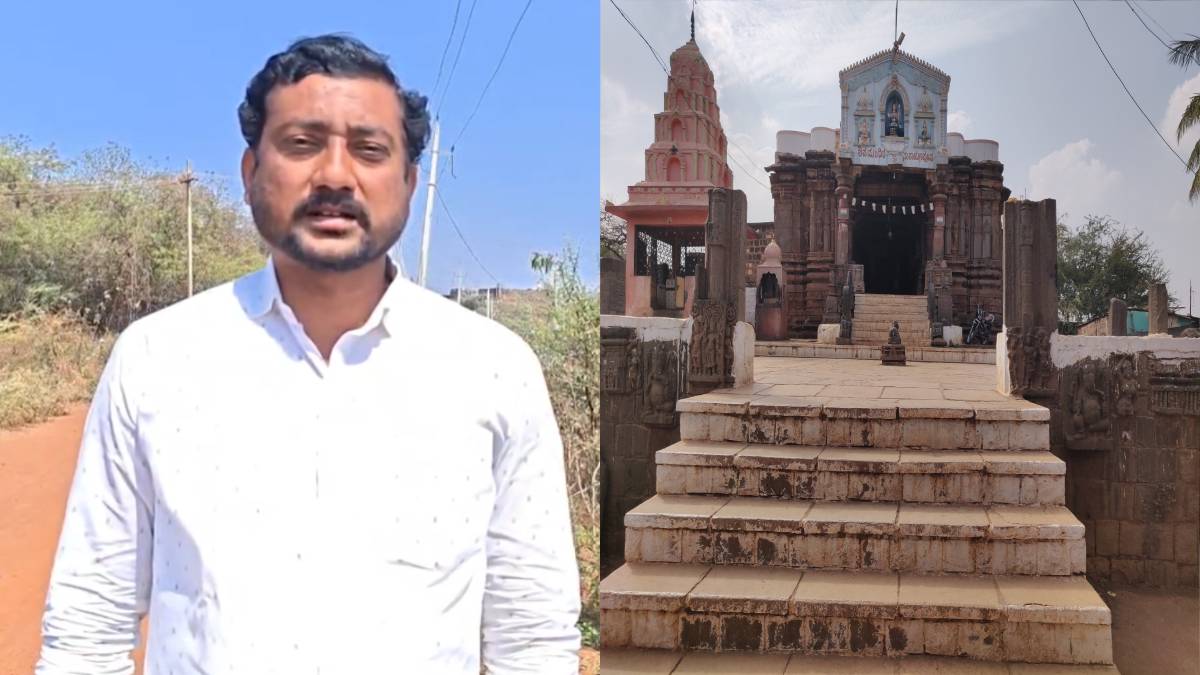
Narayanapura is deeply embedded in the religious and cultural traditions. 7–8 years ago they located a Vishnu idol near the Shivalingeshwara lake in this village. Since then it has been found that in the nearby areas more and more statues have been discovered, which would reveal the ancient importance of the village. The elders claim Narayanapura was once a significant religious center during the Chalukya period of Kalyana. According to native language sources and legends even mentioned in the past texts, the village had 108 temples.
The current findings were revealed during a cleanliness drive conducted by some villagers around the temple of Bhavani. The serpent and Goddess Kalika’s idols, along with carvings of other kinds, were unearthed buried deep in the soil. Many of these sculptures may be centuries old, and are representative of the artistic and spiritual traditions of the region. The villagers were amazed at the finding and instantly realized its significance for their heritage.
After the finding, residents in Narayanapura have asked the Archaeology Department to preserve both the idols and perform close investigations. They view accurate documentation and conservation efforts as bringing the village’s history in front of the world. Residents contend that not only do these findings resonate regionally but they are also cultural identity building events.
The sculptures, however, illustrate both the artistry and devotion of the past. It also reflects Narayanapura’s status as a religious meeting place of the Chalukya era. Far from being mere products, these idols are a product of their peoples’ ancestral ways and their sense of cultural pride, the villagers also said. Preserving them can attract researchers and visitors as well. It will give the village a little bit more prestige.

The finding of ancient idols at Narayanapura has helped to revive some renewed attention in that community's historical and religious heritage. Meanwhile elders recall tales of 108 temples and the villagers require the government to take action. The findings underscore a necessity to protect archaeology. At the same time as the past is preserved, those generations to come will have a complete awareness of Narayanapura’s rich heritage.