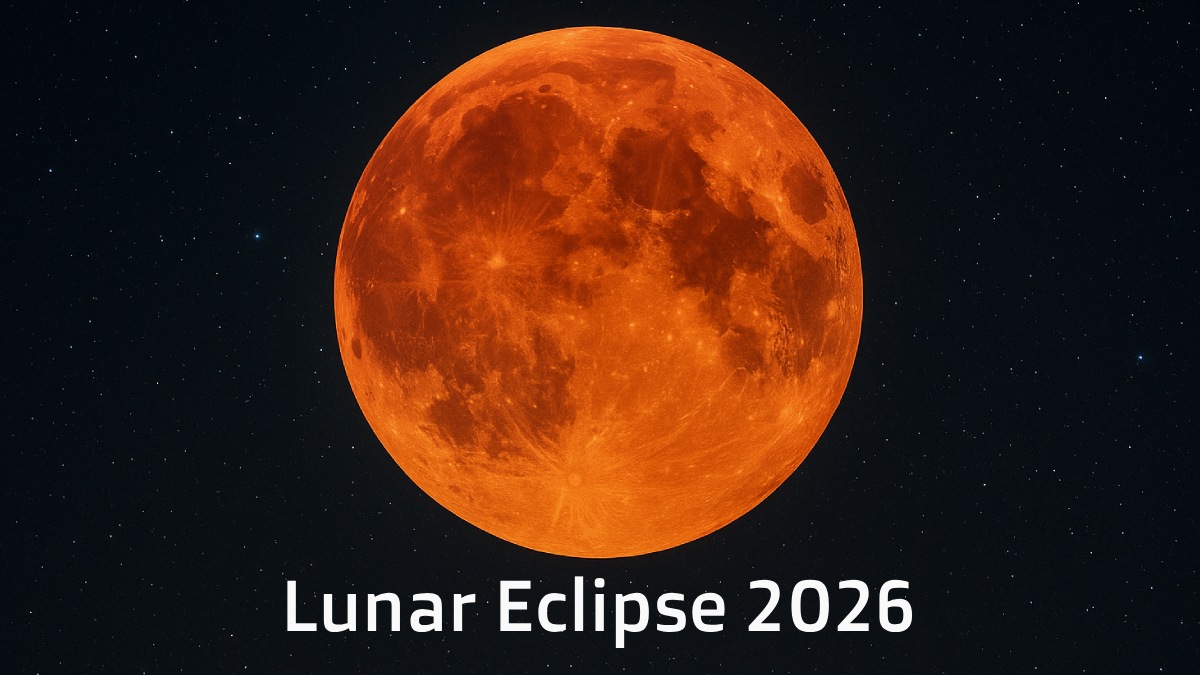
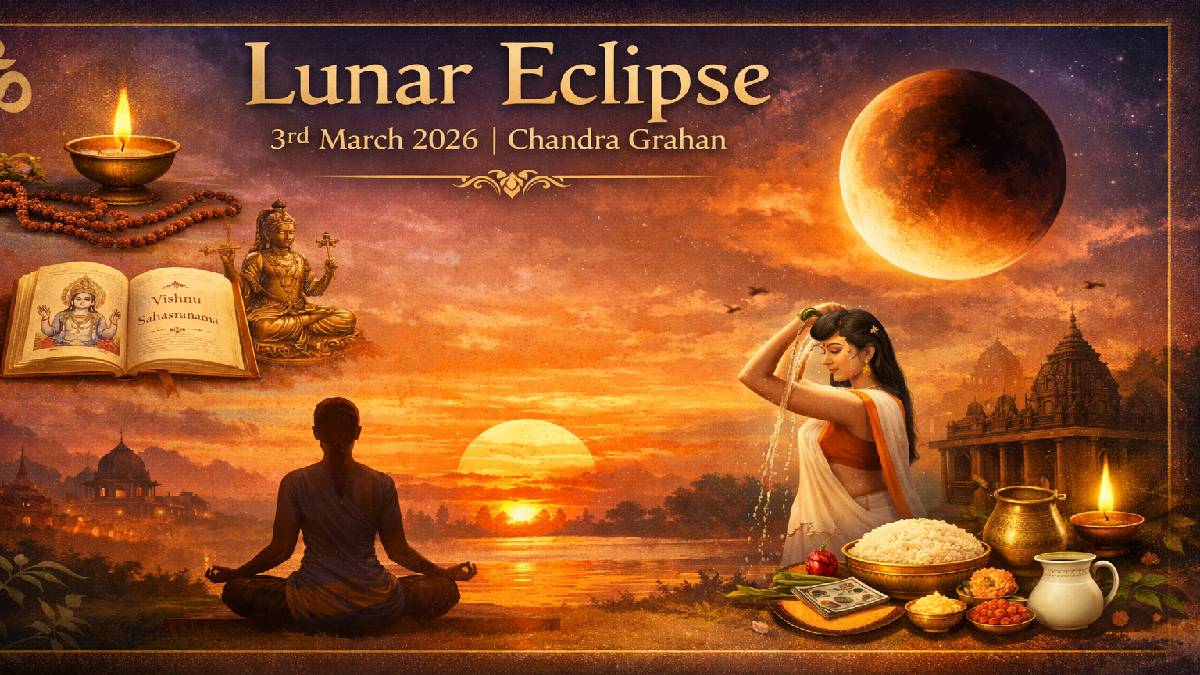
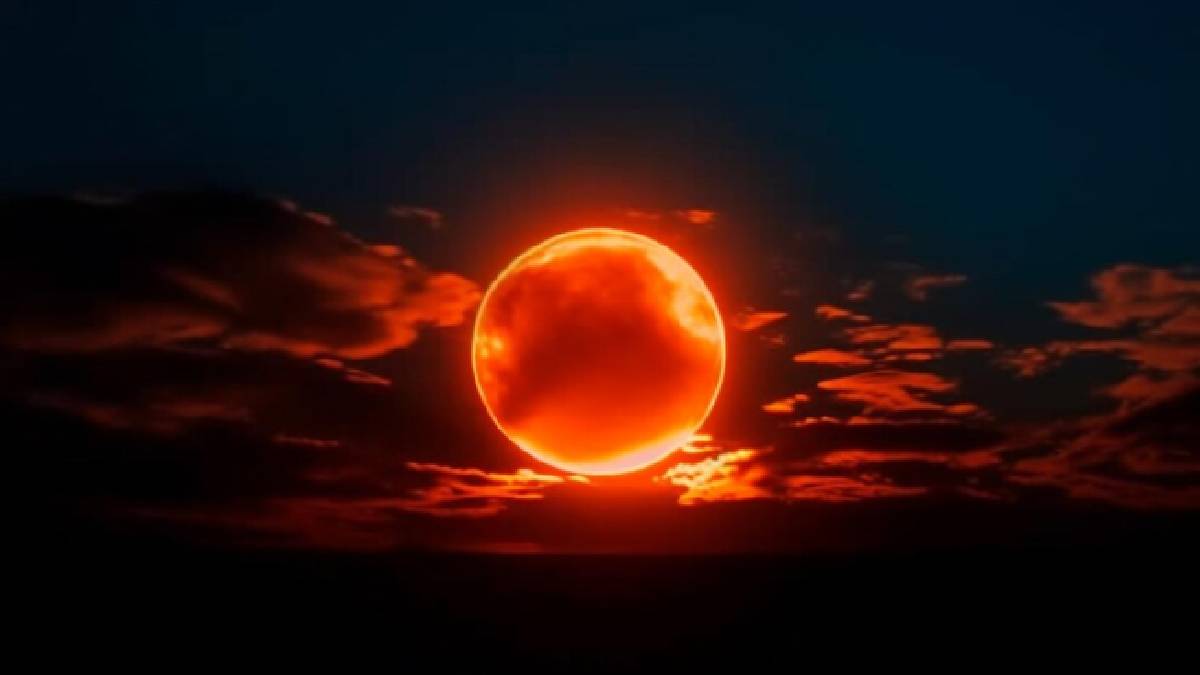
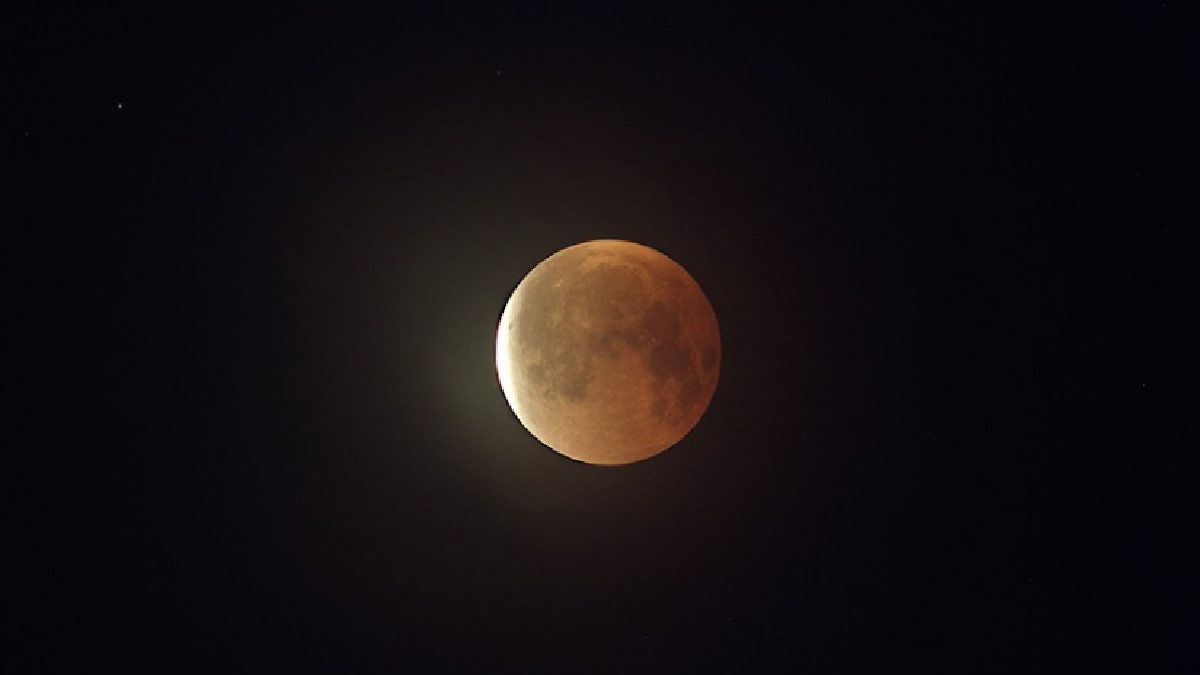
March 3, 2026 a rare total lunar eclipse will happen worldwide. This eclipse, dubbed a Blood Moon, will differ from the majority of eclipses since the Moon is tipped toward unusual colors of deep blue and crimson. Beyond its splendor, this eclipse is both cosmic, cultural and heartwarming to the heart. Let’s examine what we might be affected by.
Scientific Effects
A lunar eclipse occurs when the Earth moves between the Sun and the Moon, putting a shadow over the Moon. During this eclipse, the color will be filtered differently due to Earth’s ozone layer. Scientists view it as an opportunity to experiment with the atmosphere and the distribution of ozone. For skywatchers, it will be a bit of a rare sight for nearly three hours, with the total period lasting around 58 minutes.
Visibility in India
And, in India, people will only witness the final part of the eclipse after moonrise. This will be short, but the timing is important because it coincides with Holi, the festival of colours. Overlapping with each other gives it symbolic complexity, merging cosmic awe and human triumphs. A lot of people have religious practices involved with eclipses – fasting, prayers, avoiding certain events – that are known as Sutak Kaal.
Emotional and Astrological Effects
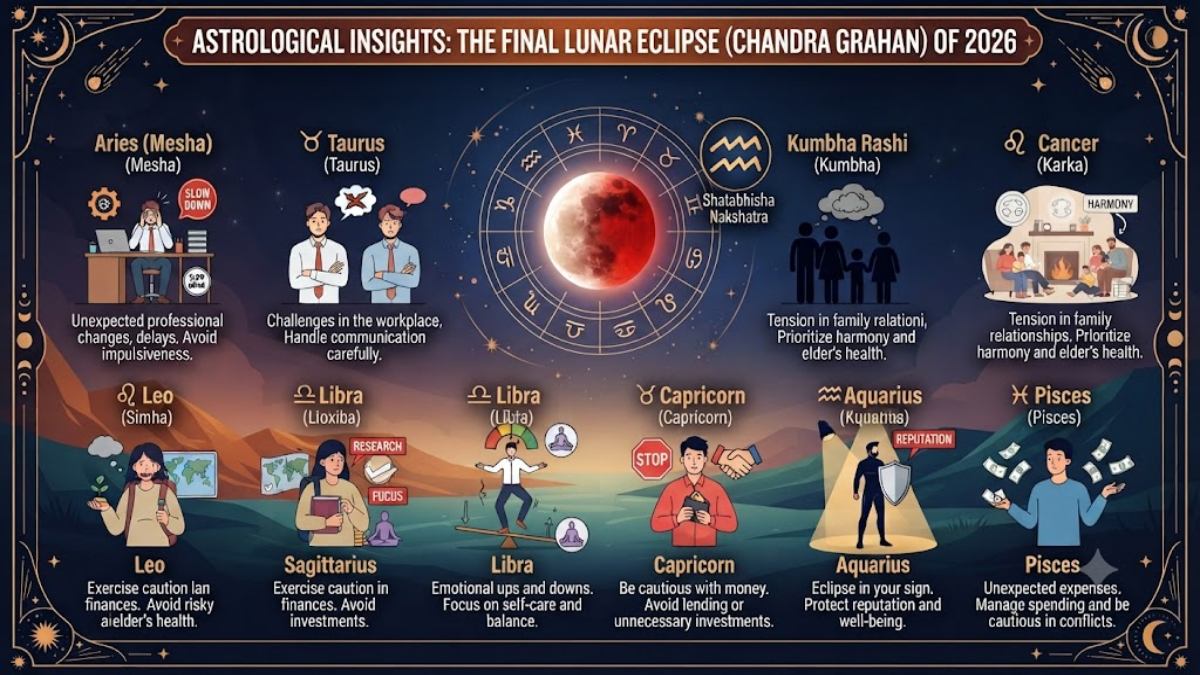
Astrologers feel eclipses induce emotions and evoke unspoken sentiments. This one is in the zodiac sign of Leo, which is associated with intensity and self-expression. Signs can be emotional or financial, or the mind can become stressful. For many, it is a moment of release old grievances, pent-up emotions and karmic habits could explode, presenting an opportunity to be purged and reborn. Spiritually, it is frequently seen to be a moment to pause and sit down, reflect and recalibrate.
Cultural Meaning
Because of the event’s overlap with Holi, this eclipse is not merely an astronomical event. Holi, itself, celebrates joy, renewal and the victory of good over evil. When integrated with the eclipse, it becomes a strong representation of the renunciation of the past and the opening of new generations. In a sense, communities may see it on the levels of cosmic cycles and human traditions.
Scientifically, emotionally and culturally the March 2026 lunar eclipse will touch us in multiple ways. If you think about it as a serendipity of the sky, a spiritual reminder or a cultural indicator, then at least it’s a time to think about the connection of the earth and humans. This eclipse is not merely watching the Moon change color; it is about coming to grips with how cosmic occurrences have a way of reaching far into our emotions, traditions and sense of regeneration.