Skywatchers and astronomy enthusiasts have an exciting year ahead, as 2026 will bring not one but two stunning lunar eclipses visible from various parts of the world, including India. Lunar eclipses, often referred to as “Chandra Grahan” in India, occur when the Earth comes between the Sun and the Moon, casting a shadow over the lunar surface. These celestial events are not only a treat for the eyes but also hold deep cultural and scientific significance across the globe.
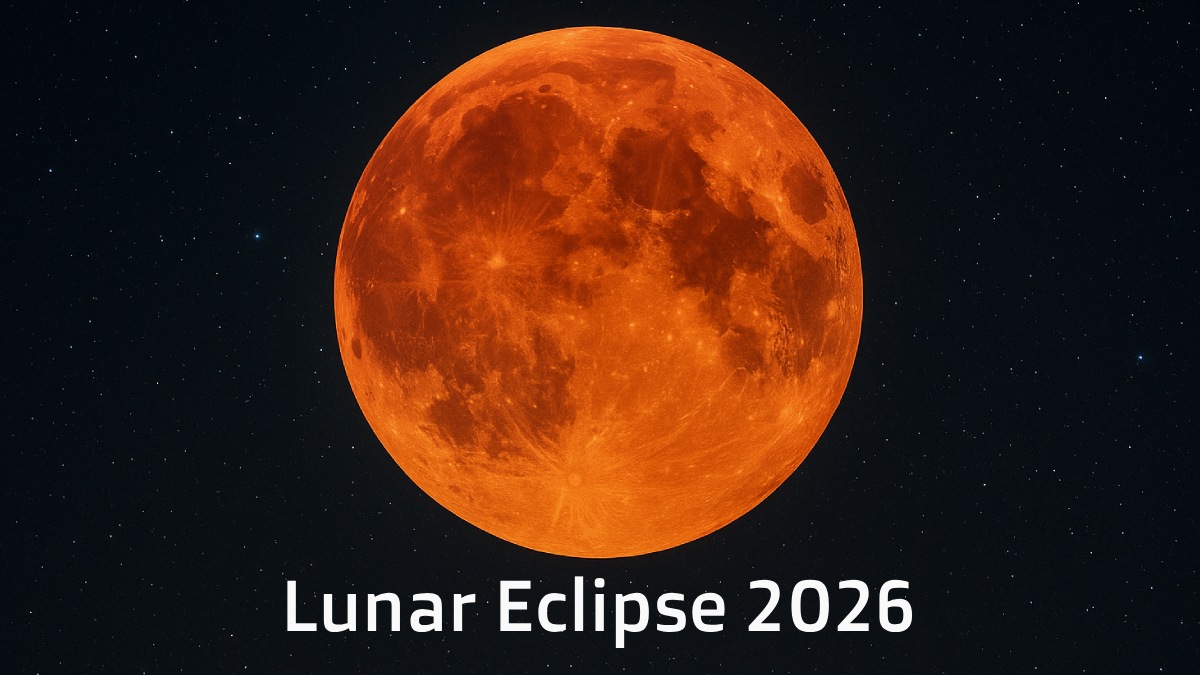
Here’s everything you need to know about the Lunar Eclipse Calendar 2026, including dates, visibility, timings, and where to witness these breathtaking astronomical occurrences.
What Is a Lunar Eclipse?
A lunar eclipse happens when the Earth aligns directly between the Sun and the Moon, blocking sunlight from reaching the Moon. Depending on how much of the Moon enters the Earth’s shadow, the eclipse can be:
- Total Lunar Eclipse – when the entire Moon passes through Earth’s umbra (full shadow), turning it a coppery red.
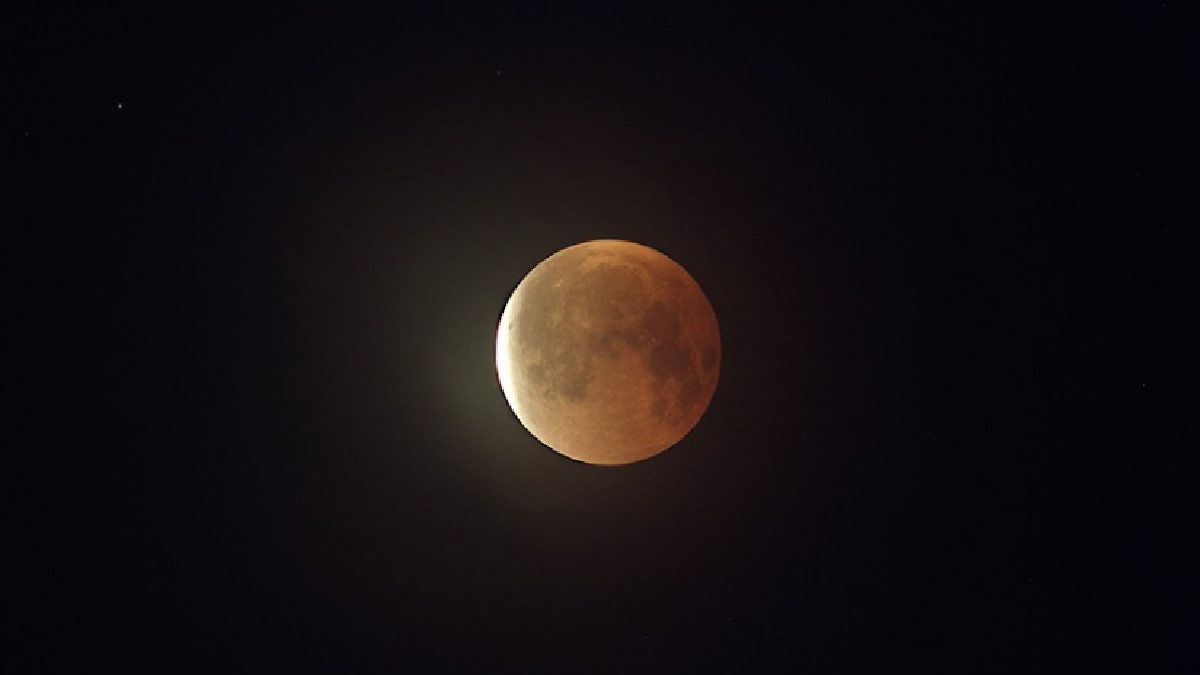
- Partial Lunar Eclipse – when only a portion of the Moon enters the umbra.
- Penumbral Lunar Eclipse – when the Moon passes through the faint outer shadow, leading to subtle dimming.
Lunar eclipses are safe to watch with the naked eye and often last for several hours, providing a spectacular view for skywatchers.
Lunar Eclipses in 2026 – Complete Schedule
There will be two lunar eclipses in 2026 – one in March and another in September. Both will offer unique viewing opportunities depending on your location.
| Date | Type of Eclipse | Visibility | Regions Where Visible | Notable Details |
|---|---|---|---|---|
| March 3, 2026 (Tuesday) | Total Lunar Eclipse | Fully visible | Most of Asia, Australia, Europe, Africa, and eastern parts of South America | A spectacular total eclipse lasting several hours, visible in India in its entirety during the late evening to early morning. |
| August 28, 2026 (Friday) | Partial Lunar Eclipse | Partially visible | South America, Europe, Africa, and parts of Asia including India | The Moon will enter the Earth’s shadow partially; visible during midnight hours in India. |
March 3, 2026 – Total Lunar Eclipse
The first lunar eclipse of 2026 will be a total lunar eclipse, one of the most anticipated celestial events of the year.
- Type: Total Lunar Eclipse
- Date: March 3, 2026 (Tuesday)
- Time in India: Around 5:30 PM to 10:45 PM IST (approximate window)
- Maximum Eclipse: Around 8:10 PM IST
- Visibility: Visible in India, Southeast Asia, Australia, and much of Europe and Africa
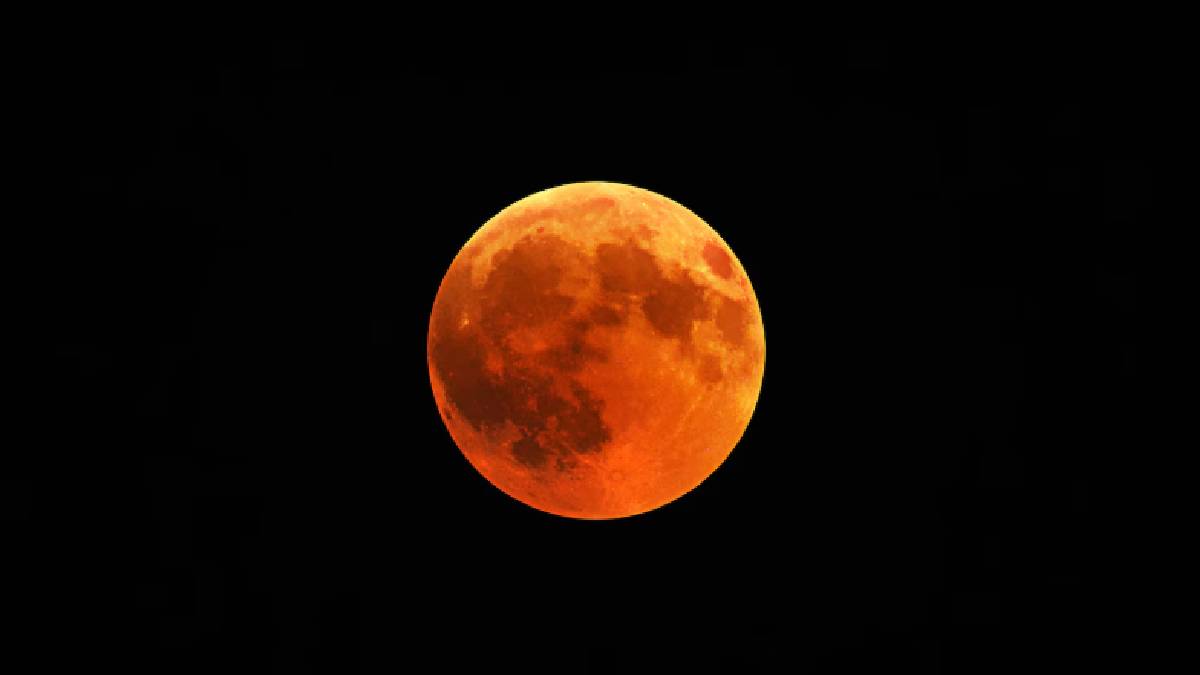
During totality, the Moon will turn a deep red or copper hue, often called a “Blood Moon,” caused by Earth’s atmosphere scattering sunlight and allowing only red wavelengths to illuminate the lunar surface.
August 28, 2026 – Partial Lunar Eclipse
The second lunar eclipse of 2026 will be partial, meaning only part of the Moon will pass through Earth’s dark shadow.
- Type: Partial Lunar Eclipse
- Date: August 28, 2026 (Friday)
- Time in India: Around 10:30 PM to 3:00 AM IST (spanning the night)
- Maximum Eclipse: Around 12:50 AM IST (August 29)
- Visibility: Visible in India, Europe, Africa, and South America
Although not as dramatic as a total eclipse, the partial eclipse will still create a noticeable shadow covering part of the Moon’s surface, making it a worthwhile watch for observers.
How to Watch the Lunar Eclipse 2026
Unlike solar eclipses, lunar eclipses are safe to view with the naked eye. However, a few simple steps can enhance your viewing experience:
- Find a clear spot away from city lights for better visibility.
- Use binoculars or a telescope for a closer and more detailed view of the Moon’s surface.
- Check local timings a few days in advance since visibility can vary by region.
- Capture the event – lunar eclipses make for stunning photographs, especially during totality when the Moon glows red.
Cultural and Astrological Significance
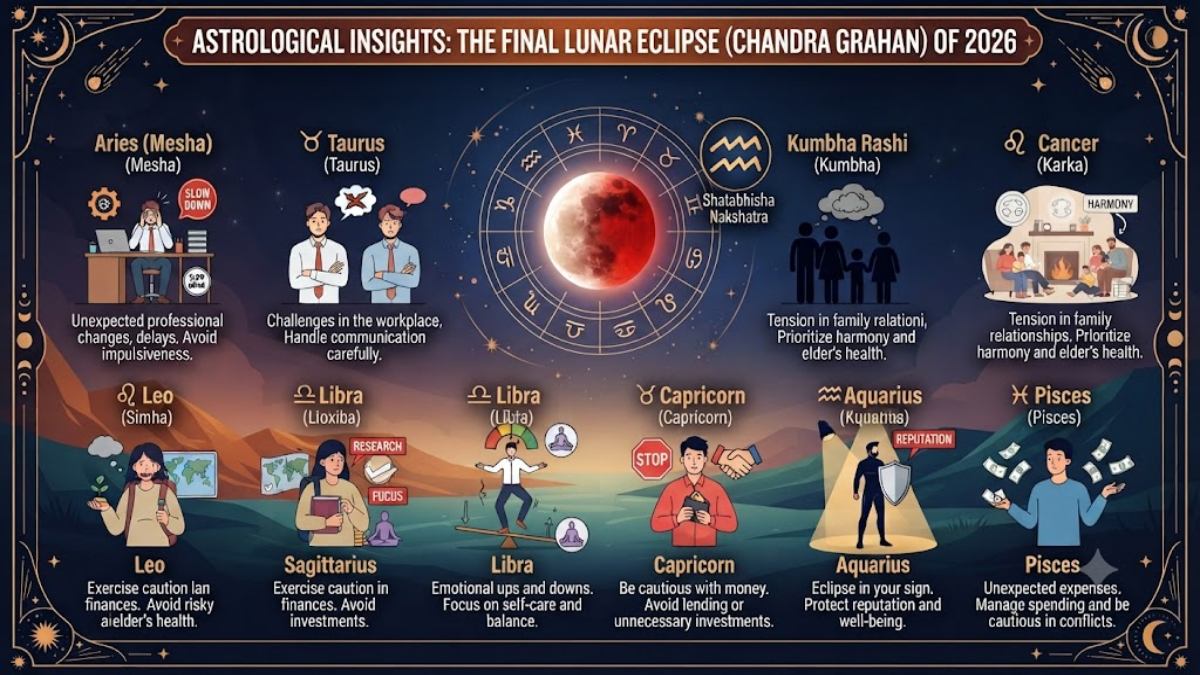
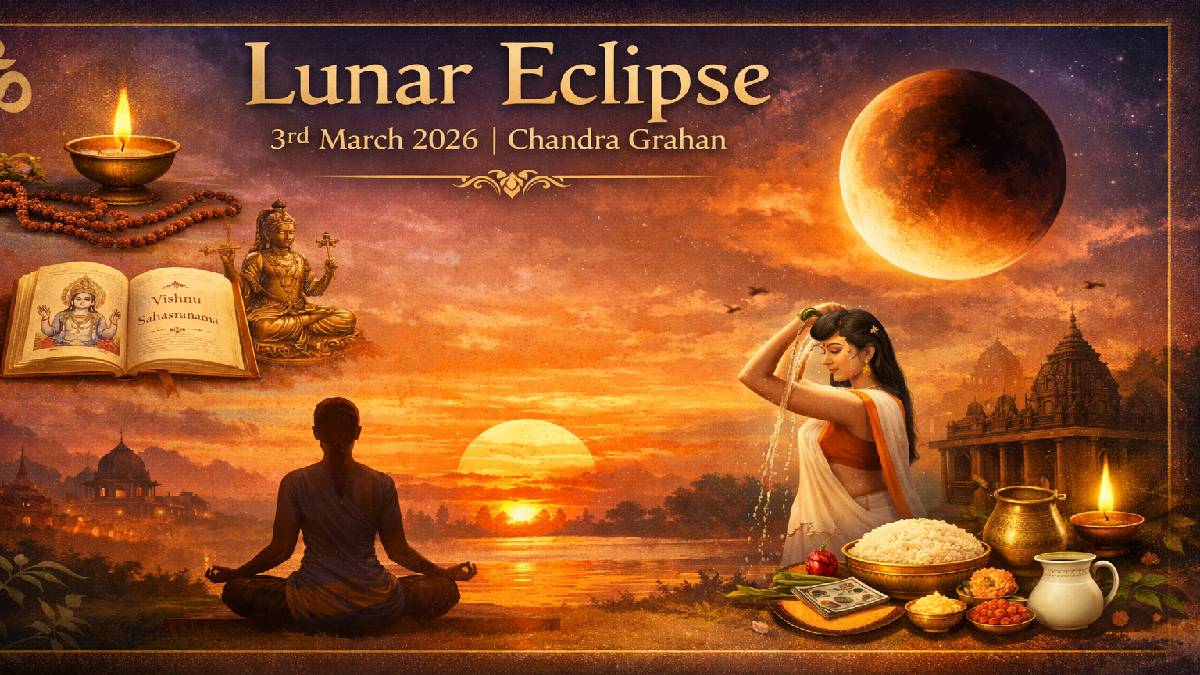
In many cultures, especially in India, lunar eclipses are associated with various mythological and astrological beliefs. Traditionally, people avoid eating or drinking during the eclipse, and certain rituals are performed after it ends. In astrology, eclipses are said to influence emotions, relationships, and spiritual energies, though such beliefs vary widely.
Lunar Eclipse Calendar 2026 Summary
| Eclipse Type | Date | Visible In India | Region Visibility |
|---|---|---|---|
| Total Lunar Eclipse | March 3, 2026 | Yes | Asia, Australia, Europe, Africa |
| Partial Lunar Eclipse | August 28, 2026 | Yes | Asia, Africa, Europe, South America |
The Lunar Eclipses of 2026 promise to be awe-inspiring celestial events that will delight stargazers across the world. With a total lunar eclipse in March and a partial eclipse in August, 2026 will be a memorable year for skywatching. So mark your calendars, prepare your cameras, and don’t miss the chance to witness these beautiful natural phenomena lighting up the night sky.