Hyderabad police issued a public warning of a new online scam called ‘boyfriend for rent’ that is targeting women and young girls on social media platforms. Cybercriminals are using false advertisements, false profiles and deceptive promises of companionship services to trick users into giving up personal information and money, authorities say.
The scam was given new attention as the Hyderabad City Police Commissioner VC Sajjanar warned the public on social media. He told women, young girls and parents to watch out for fake online schemes that prey on emotions, curiosity and trust to carry out cybercrime.
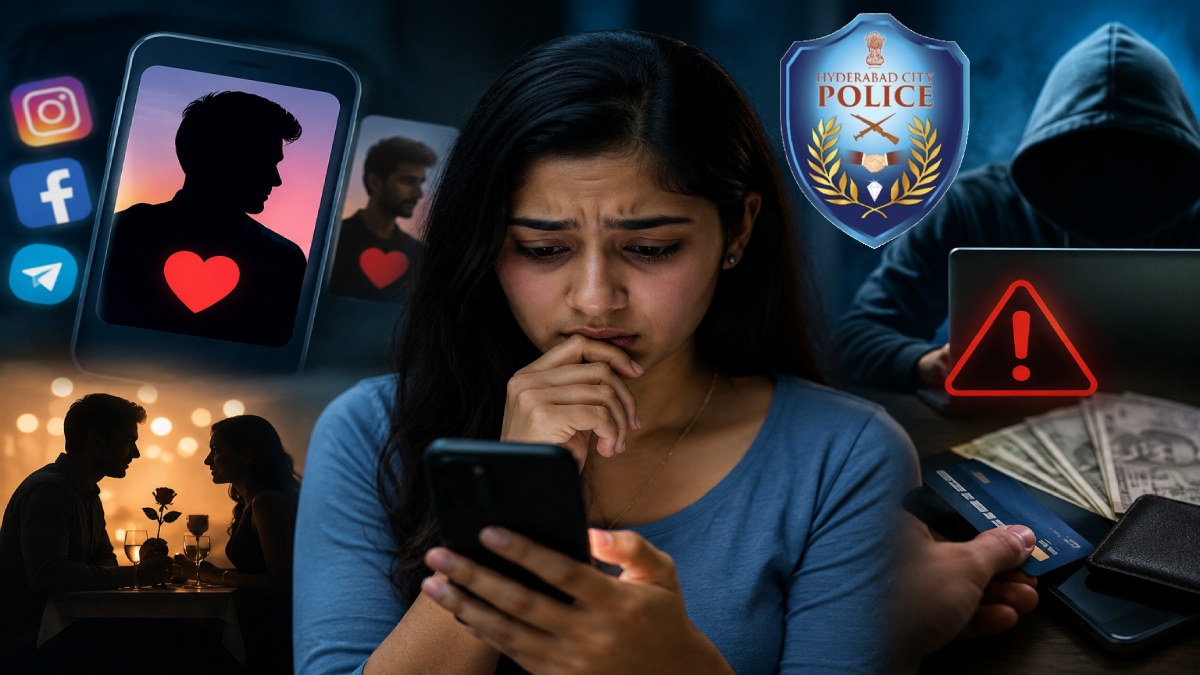
Police officials say that scammers are using Instagram, Facebook and Telegram to advertise with “Rent Boyfriend– Your Personal Companion.” The ads often show pictures of attractive men to get people’s attention. Many of those are generated using artificial intelligence (AI) and stolen from real social media accounts without the owners’ consent.
Ads promote companionship activities (coffee dates, movie outings, shopping trips, etc.). The ads are professional and enticing to young people looking for friendship or companionship. The police say the primary purpose of these ads is not to provide any actual service; they are to entice victims to fall into a financial trap.
As soon as a woman or a young girl approaches the profile, investigators suspect that fraudsters begin to have conversations with them to build trust. They begin to build rapport with potential victims and might appear nice, professional, and trustworthy. They’ll ask for money under different pretexts once they’ve gained the victim’s trust.

These payments are usually referred to as registration fees, booking costs, membership costs, or refundable security deposits. Victims are instructed to transfer money through digital payment platforms, QR codes or mobile wallet apps. The scammers disappear, block the victim and cease communication once payment has been made. In many cases, the promised service never existed.
Police officials have also warned that the scam extends beyond financial fraud. Sharing personal information (phone numbers, photographs, addresses, etc.) with unknown online profiles can pose more risks. Cybercriminals could take advantage of this information for blackmail, identity theft, harassment or other fraudulent activities.
What matters is digital awareness and parental supervision, Sajjanar said. Parents should keep track of their children’s online activity, he said, such as what they see on social media, how they communicate with others online, or whether they have offline correspondence with others online. The police said that open communication and responsible use of smartphones are steps toward reducing the risk of young people getting swindled.
Online fraud schemes are getting increasingly sophisticated, cybersecurity experts say, with artificial intelligence, professional-looking websites and social media profiles appearing to be legitimate. Users should exercise caution when interacting with unfamiliar accounts or responding to ads that sound too good to be true.
Hyderabad Police have advised the public to avoid any profiles that offer companionship services or other suspicious schemes. There are legitimate services that do not require large advance payments through personal digital payment channels. Users must check the information of any online service before any financial transactions are made.
Any suspicious activity or an individual who is a victim of cyber fraud should immediately report it to the authorities, said the National Cyber Crime Reporting Portal.
As online scams continue to evolve, law enforcement agencies are calling on citizens to remain alert, protect their personal information, and to also think critically before trusting unknown people or advertisements on social media. This latest warning is a reminder that cybercriminals are constantly working on new tactics to exploit internet users, so awareness and caution are more imperative than ever.