Petrol prices, therefore, are a source of public anger in Pakistan as citizens feel the pressure of fuel costs and taxes mounting. The problem has again made Pakistan’s problems in economic problems more acute for the public, who have to pay higher prices and worry about what has been done to government revenues and borrowed funds.
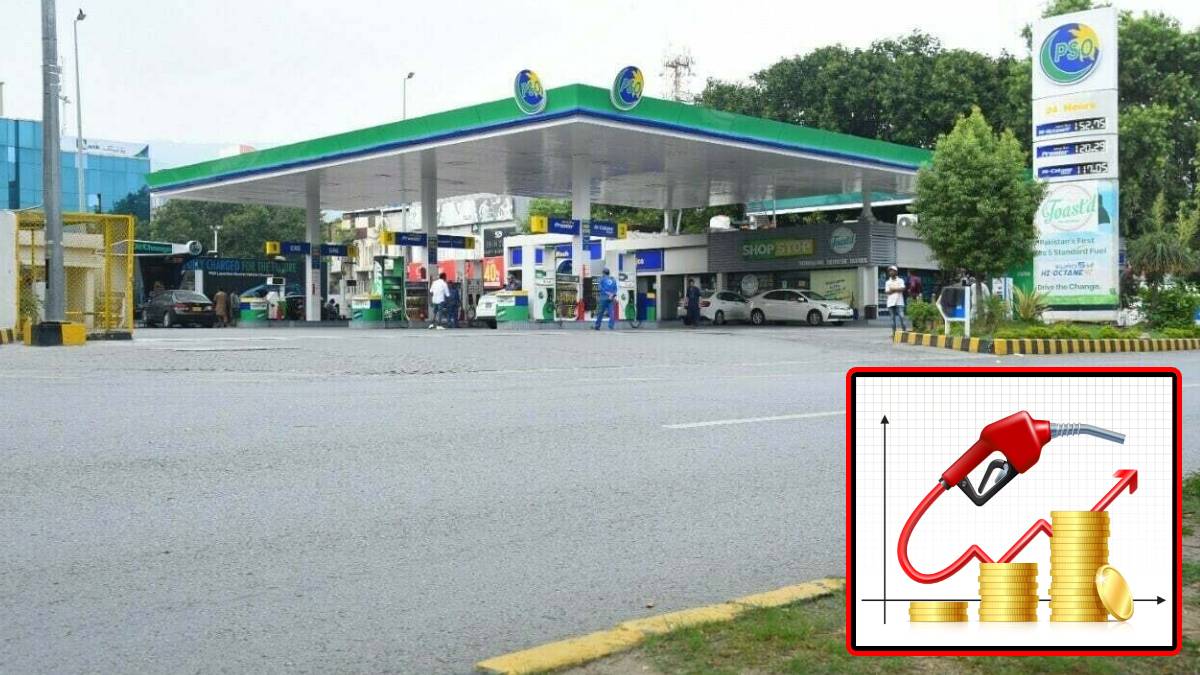
Public criticism focuses on the heavy tax burden on petrol. Public assertions in the public discourse say taxes and other government charges account for nearly Rs 100 per litre of the price paid by consumers. The figure has taken on a very strong meaning for drivers and householders - the tax component can vary depending on what government rates, taxes and international oil prices are.
For ordinary Pakistanis, higher petrol prices have impacts that go beyond filling up a vehicle. Fuel is linked to transportation, food distribution, electricity generation and the price of everyday goods. Petrol prices are going up as petrol costs increase, and businesses are facing higher transport costs, and the cost is passed along to consumers as higher prices.
Public questions government spending
The anger at petrol prices has also revived questions about Pakistan’s reliance on borrowing and financial assistance.
Pakistan has been facing balance-of-payments pressures for years and has been funded by international institutions and bilateral creditors. Economic stabilization measures have often meant increasing the government’s revenue flow, fiscal stability, and keeping enough foreign-exchange reserves in place.
But if most people are concerned about money, they are asking themselves: where is the money going?
People with high living costs want more transparency about spending on government spending, debt servicing, and borrowed money. Taxes, fuel taxes, and higher prices have put a growing burden on ordinary people.
Taxation and fuel-related revenues are needed to meet fiscal needs and to maintain economic stability, the government says. Pakistan also has huge debt servicing commitments, so much of the government’s resources are used to meet existing financial commitments.
Fuel prices affect the entire economy
Petrol is one of the most politically sensitive commodities in Pakistan since it directly affects household budgets. A rise at fuel stations can quickly affect public transport fares, logistics costs and prices of consumer goods.
And for salaried workers, traders, and small business owners already struggling with inflation, higher fuel costs can translate into lower disposable income. Transport-dependent businesses like delivery services, traders and small manufacturers are particularly susceptible to increases in fuel costs.
Political impact is also important. Governments frequently find themselves under pressure when fuel prices rise, such as when prices go up, and consumers feel that taxes are too high or economic policies are not providing enough relief.
Borrowing and economic pressures
Pakistan’s dependence on borrowing is a perennial issue in the economic and political debate. In the past, governments have been forced to balance development spending and public services with debt repayment and fiscal restraints.
Pakistan’s supporters of economic reforms argue that Pakistan needs stronger domestic revenue collection, less wasteful expenditure, greater exports and sustained investment to reduce dependence on external borrowing.
Critics say people should not bear the entire cost of fiscal adjustment, and government expenditure and economic governance are still controversial.
In other words, the petrol price dispute is much more than a price issue at fuel stations. It is about public anxiety about taxation, inflation, debt, government spending and economic management more broadly.
And as anger rises, calls for greater transparency are likely to continue. Citizens want to know how tax revenues are being collected and spent, how borrowed money is being utilised and what measures are being taken to reduce Pakistan's dependence on repeated financial assistance.
The government’s challenge is to maintain fiscal stability without putting an unsustainable burden on households already bearing high living costs. The demand for accountability from the public is getting more and more on the agenda; if taxes and borrowing keep going up, more and more people want to know where the money goes and how it helps the country’s economy.