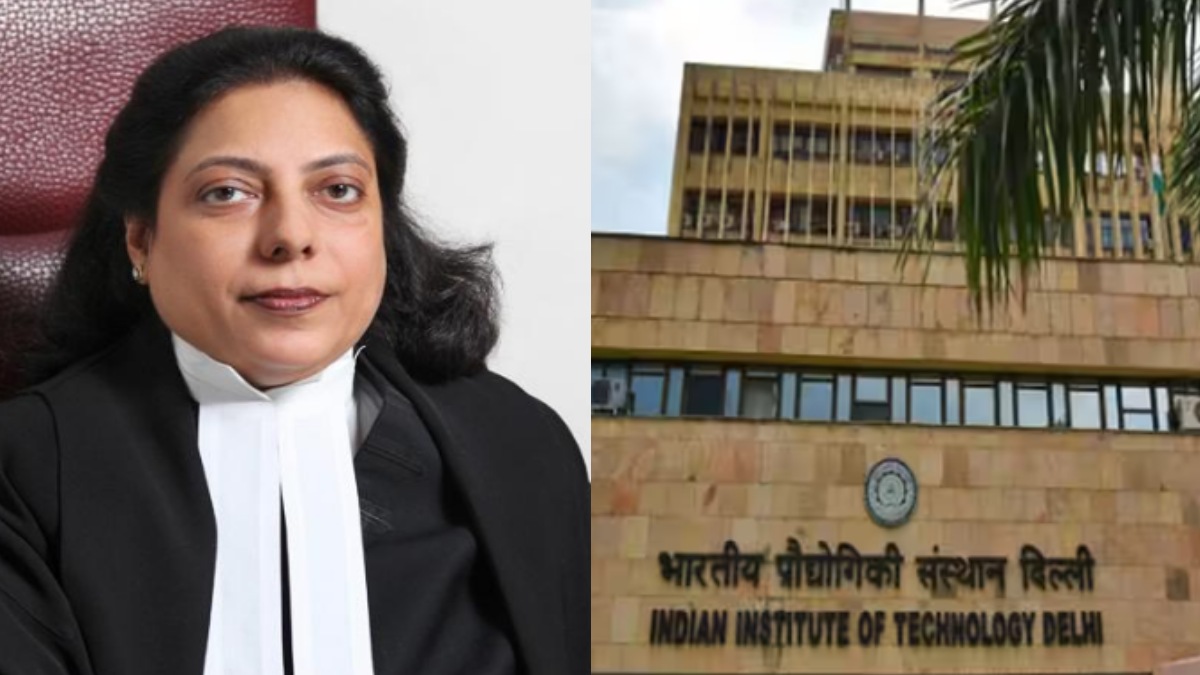
The Indian Institute of Technology (IIT) Delhi has reformed its external inquiry committee investigating the death of a 31-year-old MSc Physics student and appointed retired Delhi High Court judge Justice Mukta Gupta as the new chairperson. The development comes just a day after former Uttarakhand Director General of Police Ashok Kumar resigned due to previous commitments.
The investigation is on the death of Rishikesh Kumar, an MSc Physics student from IIT Delhi, for which there are investigations. We wish to see an independent inquiry of the case and to hold people to account in terms of the institution and the students’ welfare.
The new panel will therefore give an external look at the circumstances of the student's death. The committee will also meet students, faculty members, and officials in the IIT Delhi campus and will look at current institutional practices and procedures and recommend, based on its findings. The panel is to give its report within two weeks.
Justice Mukta Gupta's appointment follows lots of discussion on the composition of the previous committee. IIT Delhi had initially appointed former Uttarakhand DGP Ashok Kumar, an alumnus of the institute, as chairperson of the external panel. But later Kumar recused himself saying he had commitments. Students had also protested against it and called for a more independent inquiry mechanism.
The final committee will include Justice Mukta Gupta, Professor Pratap Sharan, four student representatives, and the IIT Delhi Registrar, who will be the secretary and convenor. Professor Pratap Sharan heads up AIIMS New Delhi’s Department of Psychiatry, a highly specialized area, which will also give a voice to institutional processes and student-related issues.
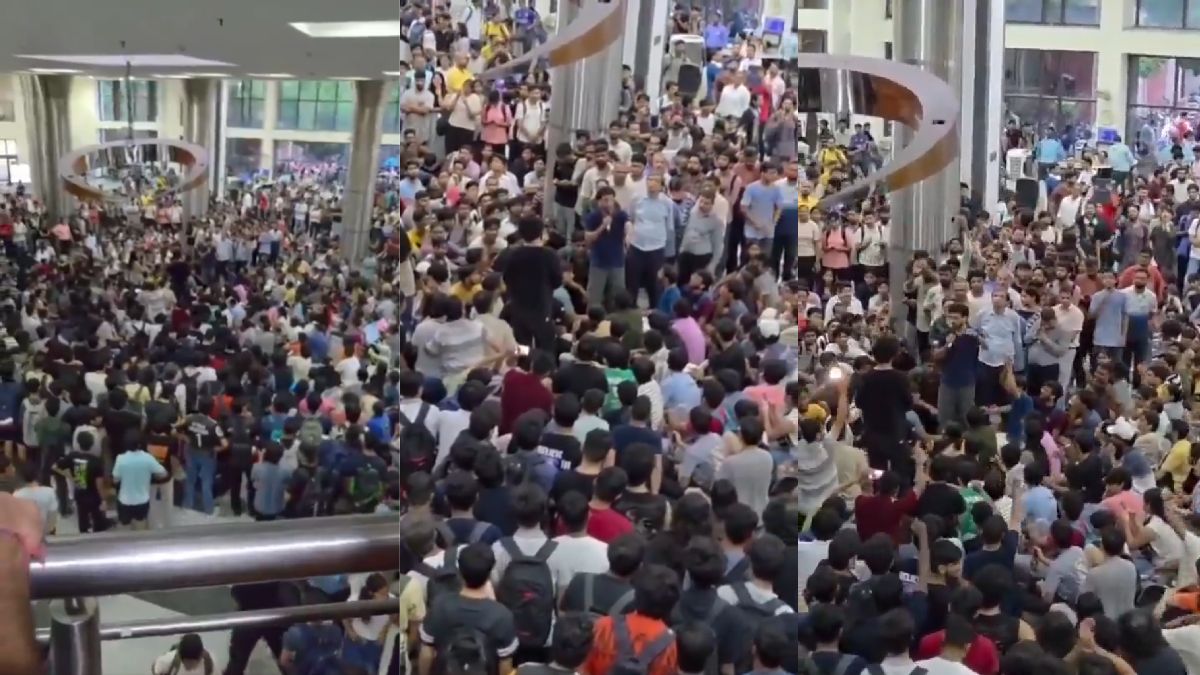
The creation of the new panel comes after days of student protests at IIT Delhi. Students had demanded to do an independent probe into Kumar’s death and asked questions about institutional accountability and student welfare. The demonstrations also forced the institute to temporarily suspend classes as part of the protests.
The debate has, therefore, moved beyond one incident to a wider discussion regarding support systems for students at the top education institutions. IIT Delhi students have asked for some transparency and an examination of existing mechanisms, and the institute’s decision to create an external committee is aimed at addressing those questions through a formal inquiry.
And the circumstances of Kumar's death are still being investigated by authorities, and conclusions about responsibility need not be drawn before the investigations are complete. Delhi Police have said no note was recovered and have registered a case of abetment in connection with the death. The investigation and the institute’s internal-external inquiry are not the same thing and may be taking into account different aspects of the case.
The new committee’s task will be particularly important because it will not only review the immediate circumstances surrounding the student’s death but also institutional protocols and processes. This kind of review can suggest a few areas where procedures will need to be improved, but any recommendations will be based on a working review by the committee.
For IIT Delhi students, the appointment of a retired High Court judge will also likely be seen as an attempt to enhance the independence and credibility of the inquiry. Student representatives are also more involved in the committee, and an AIIMS psychiatry expert who has access to the patients and participates in the student wellbeing on a professional level is very helpful.
The panel’s two-week deadline means its work should move quickly. It could provide important information about the situation at that time and may have recommendations for institutional procedures and student support systems.
The developments at IIT Delhi have also opened up broader conversations around the pressures faced by students at highly competitive educational institutions. Successful systems for identifying problems and giving support and students knowing where to go when they are having trouble are required in a classroom.
For now, the focus is on the new inquiry committee’s work and its investigation to be conducted. Justice Mukta Gupta will be the chair of that committee and will review relevant records, consult stakeholders, and review institutional processes.
The reorganization of the IIT Delhi case has taken place as the previous chairperson of the panel has resigned. With a retired Delhi High Court judge now sitting as chairperson of the committee, the institute has made another step in terms of getting an external investigation into the circumstances of Rishikesh Kumar’s death and responses from students.