If you thought last winter was harsh, prepare for an even more intense season. The India Meteorological Department (IMD) has issued a chilling forecast, predicting that North and Central India are likely to experience double the number of cold wave days this upcoming winter compared to previous years. This stark warning signals a significant drop in temperatures and an extended period of biting cold across a vast swathe of the country.
The IMD's latest seasonal outlook indicates a strong likelihood of prolonged cold spells, particularly in states like Punjab, Haryana, Uttar Pradesh, Rajasthan, Madhya Pradesh, and parts of Maharashtra and Gujarat. This prediction is based on various meteorological parameters, including anticipated atmospheric circulation patterns and the influence of global weather phenomena.
What Constitutes a Cold Wave?
A "cold wave" is declared when the minimum temperature is 4.5°C or more below normal, or when the minimum temperature drops to 4.5°C or less in plains areas. A "severe cold wave" is even more extreme, with minimum temperatures falling to 2°C or less. The IMD's projection suggests that these conditions will not only occur more frequently but also persist for longer durations.
"Our models indicate a higher probability of increased cold wave days across North and Central India this winter," stated a senior IMD official. "This means residents in these regions should be prepared for significantly lower temperatures and longer stretches of intense cold."
Factors Contributing to the Forecast
While the exact causes are complex, meteorologists point to several potential contributing factors:
- La Niña Influence (if active): Strong La Niña conditions typically correlate with colder winters over North India.
- Westerly Disturbances: Changes in the frequency and intensity of western disturbances, which bring rain and snow to the Himalayas, can impact cold wave conditions in the plains.
- Arctic Oscillation: Variations in the Arctic Oscillation can influence the southward movement of cold air masses into lower latitudes.
Impact and Preparedness
The prospect of an extended and more severe winter carries significant implications for public health, agriculture, and daily life:
- Health Risks: Increased risk of hypothermia, frostbite, and respiratory illnesses, especially among vulnerable populations.
- Agriculture: Potential damage to Rabi crops, particularly temperature-sensitive vegetables and fruits, requiring farmers to take protective measures.
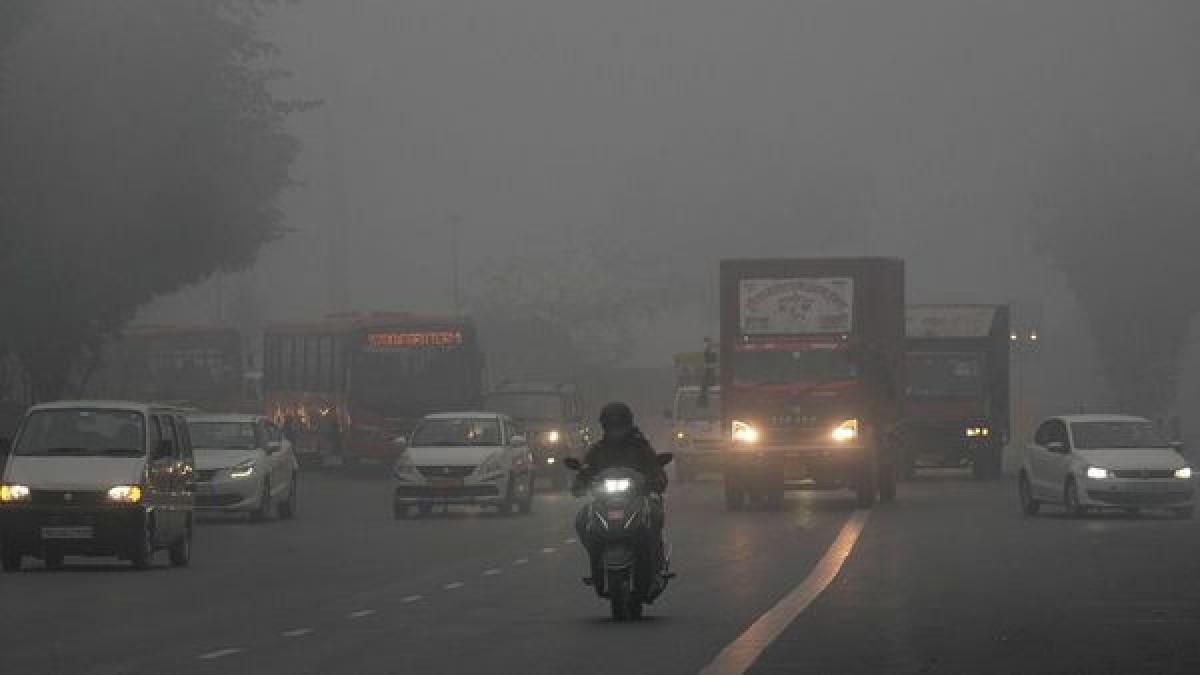
- Infrastructure: Challenges for transportation, power grids, and water supply systems due to freezing temperatures and fog.
Authorities are urging citizens to take proactive measures:
- Stay Warm: Use appropriate winter clothing, heaters, and ensure proper insulation in homes.
- Protect Vulnerable Groups: Pay special attention to the elderly, children, and homeless individuals.
- Farm Preparedness: Farmers should monitor weather advisories and implement measures to protect crops and livestock.
- Travel Advisory: Be cautious of dense fog and icy road conditions that can impact visibility and safety.
As the winter season approaches, the IMD's warning serves as a crucial reminder for residents and authorities alike to prepare for what could be one of the harshest winters in recent memory for North and Central India.