In a world that has been inundated with smartphones, instant messaging apps, social media and emails, the idea of waiting days or even weeks for a handwritten letter seems antiquated. But as in any country, Generation Z are gradually coming to embrace the old-school tradition of snail mail in order to show that it is not all about the speed.
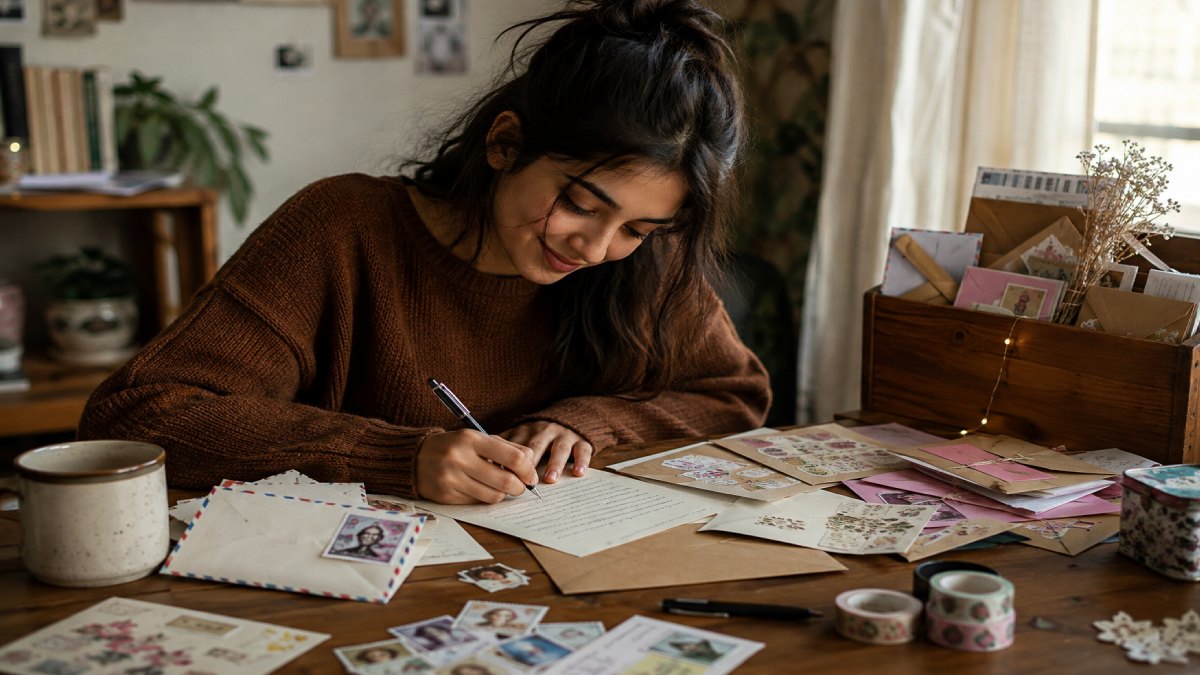
And all over the world young people are forming snail mail clubs, sending handwritten letters and postcards, stickers and even small keepsakes to one another in search of that personal and authentic way to communicate.
The revival of handwritten correspondence is in an age of digital communications that is increasingly fast in which digital communication is more and more prevalent. Technologies like WhatsApp, Gmail, Instagram and Snapchat allow people to send and receive messages instantly, and often receive immediate replies to messages on mobile and in real-time.
While these technologies have transformed communication, young people say they also contribute to digital fatigue, information overload and rushed interactions and even less and less time for interaction (and the lack of meaningful communication, the young people say).
Instead of this, snail mail clubs are a welcome alternative. These subscription-based communities deliver handwritten letters, beautiful postcards, artistic stationery, decorative stationery and thoughtful gifts directly to members’ mailboxes. Unlike a short text message, every letter takes more time, creativity and effort and makes the experience more personal than a quick message.

A handwritten letter is a very emotional experience for many Gen Z users. Checking the mailbox, opening an envelope and reading words written by hand makes an emotional connection that digital messages often lack. Each letter is personalized, from individual handwriting and hand-drawn illustrations to colorful stickers and pressed flowers to custom artwork.
This trend is in line with a global movement towards slow living and digital wellness. As screen time increases through online classes, remote work, social media, and streaming platforms, many young adults are actively seeking offline hobbies that encourage mindfulness and creativity. Writing letters enables them to break from the constant notifications and spend quality time expressing themselves without distractions.
Another reason for the popularity of snail mail is nostalgia. Nostalgia and retro photography, vinyl records, typewriters, handwritten journals have all found new audiences among younger generations. Letter writing is a natural part of this revival and one that allows people to experience that sort of communication that once linked families, friends and pen pals across continents.
Many snail mail users decorate their letters with washi tape, stamps, wax seals, calligraphy and other crafty artwork. Social media platforms have helped fuel this analogue trend with creators sharing beautiful letters and stationery collections that make people see that they can do it, and make other people do it. Videos about letter-writing practices, stationery hauls and mailbox openings have been posted online and have been viewed millions of times.
But snail mail is also building real-world friendships. Many clubs will bring people from different cities or countries together and socialize and have very good conversations. And unlike the likes and quick reactions of social media interactions that only get you a few words and short comments, handwritten correspondence is a forum from which people can tell their personal stories, life experiences, hobbies and dreams in a more intimate way.
Writing by hand can have therapeutic benefits, mental health professionals say. Journaling and letter writing allow deep reflection, stress relief, emotional expression and gratitude. And receiving a handwritten note can also help you to feel appreciated and in the age when communication is so brief and transactional you can’t feel it.
Businesses have also recognized the appeal of this growing trend. Independent stationery brands, artists, and subscription services now offer curated letter-writing kits with premium paper, envelopes, fountain pens, stickers, postcards, and decorative accessories. Students, young professionals and creative communities have become increasingly familiar with these products.
But educational institutions and libraries have also started promoting letter-writing campaigns to encourage literacy, creativity, and interpersonal communication. Some of those initiatives connect students to senior citizens, military personnel, or international pen pals, showing how handwritten correspondence can strengthen communities while preserving an important cultural tradition.
Digital communication remains the backbone of modern day life but the revival of snail mail is a sign of a change in the way that Gen Z views connection. Handwritten letters instead of technology are not only a substitute for technology, they are a mirror of modern communication, because it’s a different kind of communication that can’t be done on a screen, time, effort, personality and emotion is added to the message that comes through in a handwritten letter.
Snail mail is a way as more and more people are coming back to writing and putting pen to paper, and even more often than not, conversations that are not always about immediate delivery, as more and more of us have to wait to have them, and with every person’s interest in writing and reading a handwritten letter is also becoming the new thing: in an age of typing, swiping and scrolling, the very act of sending and receiving a handwritten letter is a lesson that the slowest of letters are the ones that leave the most impactful words that can be written.