India is exploring a potentially radical change in the way digital payments work by enabling AI agents to make small-value UPI payments on behalf of users without having the account holder approve every single payment. AI and India’s widely used Unified Payments Interface would merge to provide a more automated payment scheme for consumers.
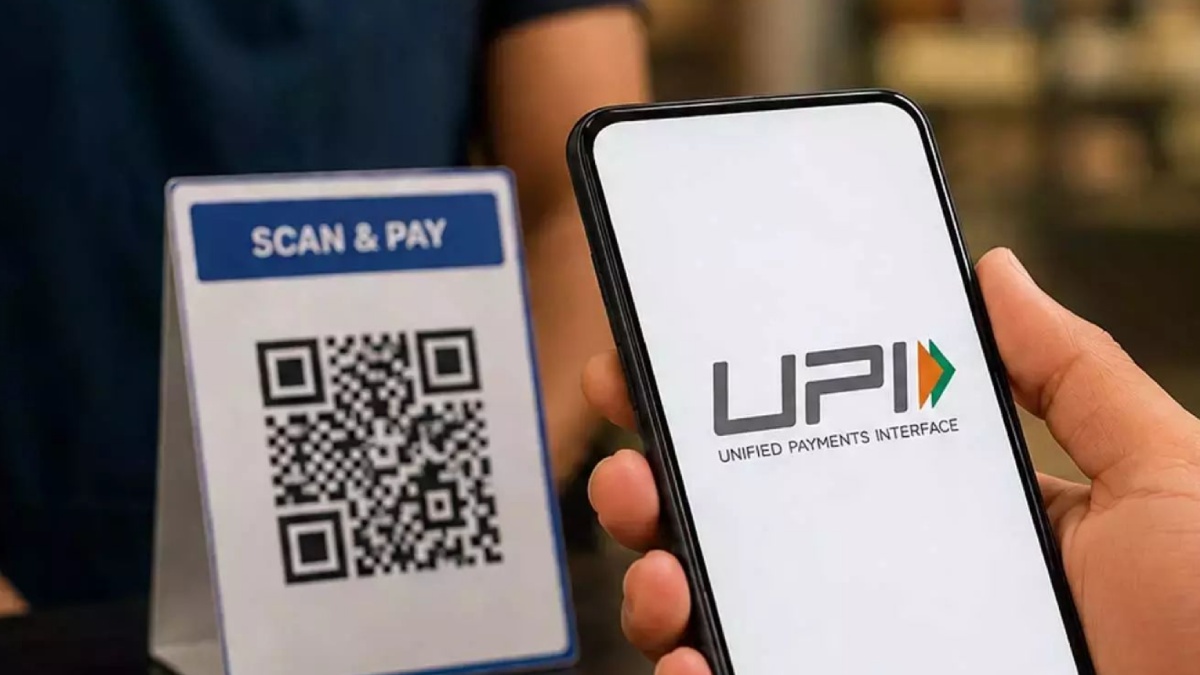
Currently, UPI payments usually require the user to initiate or approve a transaction by using a payment application. This model allows users to directly control each payment. Under an AI-agent-based system, however, a user may explicitly give permission for an AI agent to complete some low-value transactions in advance within certain predetermined limits.
The concept is to reduce the friction of making routine payments. Rather than opening the application repeatedly, identifying a recipient and writing the small transaction, an AI agent might automatically deal with the payment. This type of system would be useful for recurring or predictable expenses where the user does not necessarily need to make a separate decision every time.
How AI Agents can change UPI Payments?
AI agents are software systems that perform tasks on behalf of users based on instructions, permissions and defined objectives. Unlike traditional chatbots that mainly respond to questions, AI agents can potentially take actions in connected digital systems.
If integrated with UPI under an approved framework, an AI agent might only be given limited power to initiate eligible payments. For example, a user might set a maximum transaction value, a daily spending limit or restrictions on the types of payments that can be made.
The concept would be controlled delegation rather than total access. Users would still have to define permissions under which an AI agent could operate. Small-value payments could be processed automatically while larger or unusual transactions could still require explicit user confirmation.
But digital payments would not have to be completely safe in exchange.
Small Payments Are The Focus
Small transactions are the most suited for automation because they are usually a matter of routine purchase and repeated action. Requesting users to manually approve each low-value payment can cause friction, especially if the transaction is predictable.
An AI agent could even identify an authorised payment request and execute it within the limits set by the user. The system could also keep a record of transactions so that users can review their payment activity later.
For example, consumers could use AI-powered payment systems for some routine purchases, subscriptions or other predefined expenses. The types of transactions that might eventually fall into this category would depend on the final rules, technical standards & safeguards set by the relevant authorities and payment ecosystem participants.
Security and User Control will be Critical
With UPI payments automated, security would be one of the biggest challenges. Giving an AI system permission to move money brings additional risks that need to be carefully addressed.
A secure framework would need to establish clear limits on transaction amounts, frequency and recipients. Users may also need the ability to instantly revoke an AI agent's payment authority. Strong authentication, transaction monitoring and fraud detection could become especially important.
The second thing would be preventing AI agents from being manipulated by malicious instructions or fraudulent payment requests. An agent that can make payments would have to distinguish between legitimate instructions and potentially harmful requests.
Transparency would also matter. Users should know when an AI agent has made a payment, why it made the payment and what permissions allowed the transaction to happen.
Potential Impact on India's Digital Payments Ecosystem
India has developed one of the world’s largest digital payment ecosystems through UPI, and the introduction of controlled AI-driven payments could represent another stage in its evolution.
The technology may also help consumers by reducing repetitive tasks, and new business opportunities for banks, fintech companies and payment applications. Businesses may well benefit if AI agents can eventually make authorised purchases or payments without the need of user input.
For fintech companies, AI-powered payment automation could be a major area of innovation. Payments applications could soon also be able to display transaction options and help users manage financial tasks effectively with intelligent assistants.
But widespread adoption would require consumer trust. Consumers are likely to expect strong safeguards before allowing an automated system to access their payment accounts. So clear consent mechanisms and easily understandable controls would be required.
The future of UPI and AI
The possibility of AI agents making small UPI payments represents the shift from user-driven transactions to permission-based financial automation. In the future, rather than asking users to authorise every single action, payment systems will allow users to set rules and intelligent software to do routine transactions within what these rules are and how it is done.
The approach might make digital payment quicker and more convenient, but the technology will depend on how the automation is combined with security and user control. AI should not have unlimited access to financial accounts; only proper permissions, spending limits and monitoring mechanisms should be deployed.
🚨 India is planning to allow AI agents to make small UPI payments without asking the owner every single time. 🤯
— Indian Tech & Infra (@IndianTechGuide) September 3, 2026
(Reuters) pic.twitter.com/CNBHZQWrCR
If implemented successfully, AI-enabled UPI payments could become an important development in India’s digital finance landscape. The idea is part of a global trend toward AI agents which can perform tasks on behalf of users, and India's UPI ecosystem is a very large-scale environment in which such technology could be tested and adopted eventually.
For consumers, however, the biggest change might be convenience: routine low-value payments could eventually happen with fewer manual steps. But maintaining transparency, security and meaningful user control will be necessary at the same time, as India considers how AI agents should interact with one of the country’s most important digital payment systems.