India has made it clear that the final details of its proposed Bilateral Trade Agreement (BTA) with the United States will be announced only after Washington provides Indian exporters with preferential tariff treatment compared to competing economies.
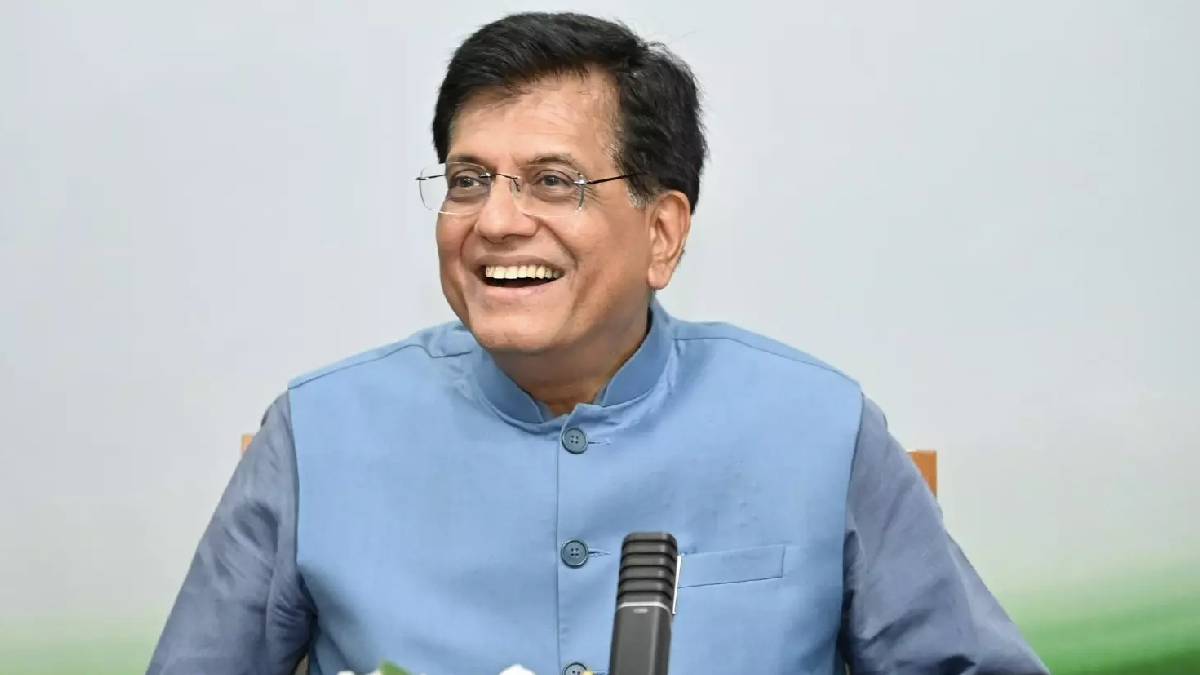
Commerce and Industry Minister Piyush Goyal announced a national workshop on the “Leveraging FTAs – Outreach Programme” in New Delhi. Goyal said India is ready to agree once the United States agrees on a tariff rate that can give Indian companies a competitive advantage over exporters from other countries.
"As soon as the US can give us the preferential rate in comparison to our competition, we will finalise the BTA and announce the final details,” Goyal said.
The minister’s comments underline one of New Delhi’s key priorities in the ongoing trade negotiations: to make sure that Indian exporters are not put at a disadvantage against countries that enjoy more favourable access to the US market.
Goyal has repeatedly stressed that the objective of a trade agreement is not just to reduce tariffs in absolute terms. India wants its exporters to have market access that is competitive with firms from other countries.
It is particularly crucial in sectors where Indian companies are directly competing with exporters of countries with a trade relationship that has already won favor with the world markets. A tariff difference could affect the way international buyers decide to source Indian products, making the relative tariff treatment very important to the overall competitive position of Indian goods.
India and the United States are also negotiating a larger Bilateral Trade Agreement to deepen economic ties and increase market access. The two sides had already agreed on a framework for an interim agreement, and talks on the larger BTA continue.
The new stance indicates that the competitiveness issue in tariffs is still an ongoing one before the final details can be released. The United States has also imposed an additional 10% tariff on many countries (including India) from July 24, and tariffs between the two sides are now increasingly important.
Goyal also highlighted India’s wider trade strategy during the workshop. He said the country is pursuing additional trade agreements with several major economies and regional blocs including Canada, Mexico, Chile, the Brazil-led Mercosur group, the Southern African Customs Union (SACU), the six-member Gulf Cooperation Council (GCC) and Israel.
India has already signed several trade agreements and the government aims to use these to broaden market access for domestic companies. Preferential access, as the Commerce Minister has pointed out, can enhance the exports of Indian companies, diversify markets and enable them to compete more effectively abroad.
The India-US trade negotiations are particularly important in that the United States is one of India’s largest trading partners and an important destination for Indian merchandise and services exports. Textiles, pharmaceuticals, engineering goods, electronics, agriculture and other manufactured businesses have the most interest in the outcome of these talks.
Industry representatives have also been pressing for greater clarity on US market access. Recent discussions between the Commerce Ministry and exporters have been focused on challenges facing Indian businesses in the American market and on the products where India could seek better access.
The next major opportunity for talks will come later this month, when Goyal will travel to the United States for the G20 Trade Ministers' meeting in Milwaukee. Talks with U.S. Trade Representative Jamieson Greer will be another step in addressing trade issues.
For India, Goyal’s message is clear: New Delhi wants the final trade agreement to deliver a meaningful competitive advantage rather than simply a headline reduction in tariffs. Unless Washington offers preferential terms compared to India’s competitors, the final details of the BTA will remain pending.
What will happen to Indian exporters, American businesses and the wider world economy if the talks go through and the two economies of the world are not only connected but, at the same time, at risk from the very same time? The two sides are trying to work out a deal in order to expand trade but also deal with issues of tariffs, access to markets and competitiveness.