India has finally taken the first step to combat dengue by issuing its first dengue vaccine for people aged 4 to 60 years. The approval is a milestone for India's public health in the field and gives doctors another tool to fight one of the most common mosquito-borne diseases.

Dengue continues to be a major health problem in India, especially in the monsoon and post-monsoon season when mosquito breeding increases due to stagnant water accumulation. Each year, thousands of people are infected with dengue, and in severe cases they are hospitalized and have life-threatening complications. The use of a dengue vaccine could also greatly enhance disease control measures together with current mosquito control measures (Public Health Service).
The approved vaccine is designed to protect against all four known dengue virus serotypes (DENV-1, DENV-2, DENV-3, and DENV-4). This is particularly important because a person infected with one serotype only gets immunity against that particular type of serotype. If this person gets infected with other serotypes of the virus later on in their life, they are at greater risk of severe dengue, and broad protection is an important feature of the vaccine.
Medical experts welcomed the approval, calling it an important development in preventive healthcare. They say vaccination can alleviate hospital care, lower the incidence of serious dengue cases, and promote better health outcomes in some areas where outbreaks are common.
The vaccine's approval for people aged 4 to 60 years provides more preventive options for children as well as adults living in dengue-prone areas. Healthcare authorities need to give guidance on eligibility, dosage schedules, availability, and vaccination recommendations in-depth.
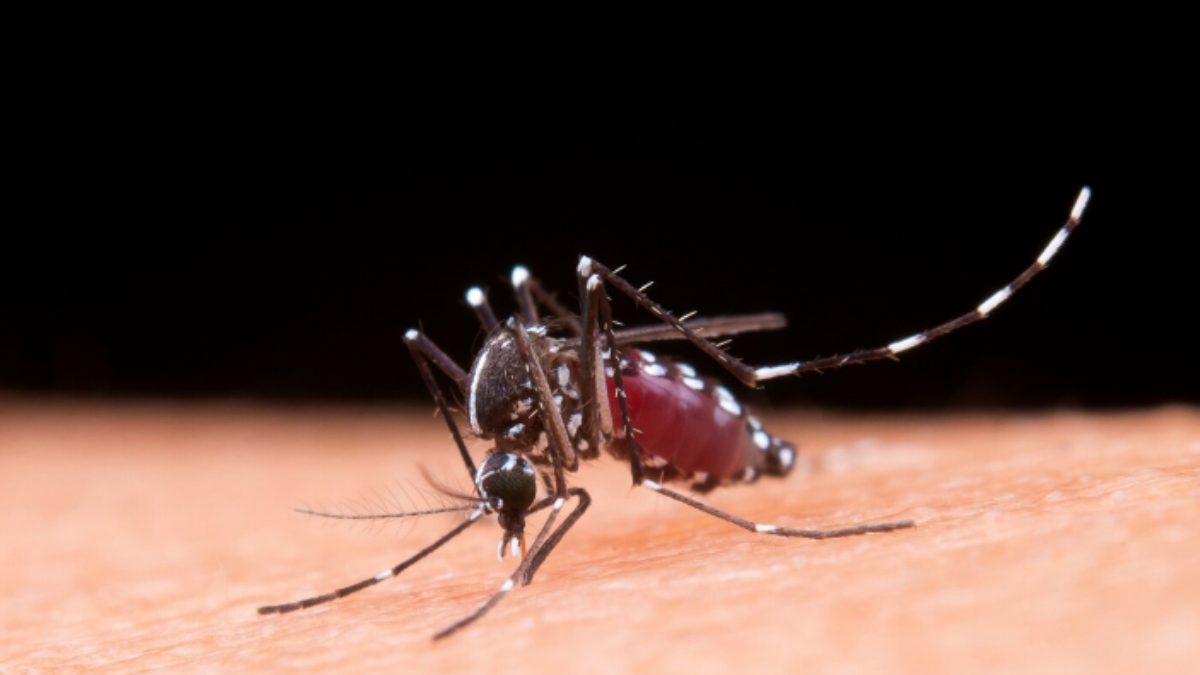
Dengue is transmitted mainly by the bite of infected Aedes aegypti mosquitoes which are active during daylight hours. Common symptoms include high fever, severe headache, muscle and joint pain, pain behind the eyes, skin rash, nausea, vomiting, and fatigue. While many of the patients recover with supportive care, serious cases of dengue can take place and lead to severe complications such as internal bleeding, organ damage, and dengue shock syndrome resulting in immediate hospitalization.
Public health officials say vaccination should complement and not replace preventive measures. Eliminating mosquito breeding sites is crucial to the control of dengue. Residents are recommended to remove stagnant water from containers, coolers, flower pots, discarded tires, or other areas where mosquitoes can breed. Mosquito repellent, protective clothing, window screens, and mosquito nets are also highly recommended.
Experts say India’s rapid urbanization, changing climate patterns, and seasonal rainfall create favorable conditions for mosquito breeding. Thus integrated dengue control strategies involving vaccination, surveillance, public awareness campaigns, sanitation, and vector control are considered the most effective approach.
The approval is also expected to reduce the economic impact of dengue outbreaks. Every year, families face heavy medical costs to go to the hospital and treat, and businesses and educational institutions are disrupted when there are widespread outbreaks. Prevention of infections through vaccination could decrease healthcare costs and productivity loss.
Health professionals have suggested people consult qualified healthcare professionals before receiving the vaccine to decide whether or not it is appropriate based on their age, health status, and medical history. Health authorities must act on and follow any official recommendations from the government, where all eligibility and administration of the vaccine is made.
The introduction of India’s first approved dengue vaccine also reflects the recent development of the vaccine as we progress towards the elimination of mosquito-borne diseases. Scientists are still on the job to develop vaccines, strengthen surveillance systems, and develop advanced mosquito control techniques that reduce disease transmission.
Although vaccination has been a major breakthrough, experts stressed that community participation is still very important. Cleanliness of the environment, early reporting of symptoms, early medical care, and local vector control efforts are all key in dengue control.
When the dengue vaccine is integrated into the public health system of India for the first time, health officials are optimistic that vaccination, mosquito control, early diagnosis, and public awareness will reduce the disease burden in the upcoming years. The approval of the country’s first dengue vaccine for individuals aged 4 to 60 years is an important step towards a more effective and reliable solution to a disease that is still one of the country’s most prevalent vector-borne diseases.