India has approved the country’s first dengue vaccine, Qdenga, developed by Japanese drug company Takeda, in what is hailed as a huge step for eradication of one of the most common mosquito-borne diseases in the country.
The approval will help to speed up dengue vaccine development by safeguarding against all four dengue virus serotypes (DENV-1, DENV-2, DENV-3, and DENV-4) that cause recurring dengue outbreaks across India and many tropical countries.
Dengue is still a big public health challenge in India, especially during and after monsoon season when mosquito breeding peaks. Each year, thousands of people are infected with the disease, and, in severe cases, can suffer from severe complications such as dengue hemorrhagic fever and dengue shock syndrome. A vaccine (which targets all four serotypes) is therefore seen as a major advancement in disease prevention.
Qdenga is a live-attenuated tetravalent vaccine, which provides immunity for each of the four dengue virus variants. The protection is particularly important since infection with one of the four serotypes may lead to chronic immunity against a particular strain.
Later infections with other serotypes can raise the risk of severe dengue. A vaccine that protects against all four strains can thus help to reduce the overall burden of the disease.

Health professionals welcomed the approval, calling its approval an important component of India's public health strategy. Vaccination, when combined with effective mosquito control measures, public awareness campaigns, and early diagnosis, can drastically reduce dengue-related illness and complications, they said.
The approval followed clinical trial data for the vaccine’s safety, efficacy, and immune response in all groups of people across age groups. International studies have shown that Qdenga provides protection against symptomatic dengue and reduces the risk of hospitalization caused by the disease. But health care professionals say vaccination should supplement not replace current preventive measures.
Public health officials continue to stress the importance of controlling mosquito breeding sites. Stagnant water, mosquito repellents, window screens, protective clothing, and clean surroundings are key to the eradication of dengue. Even those who are vaccinated should follow these preventive measures.
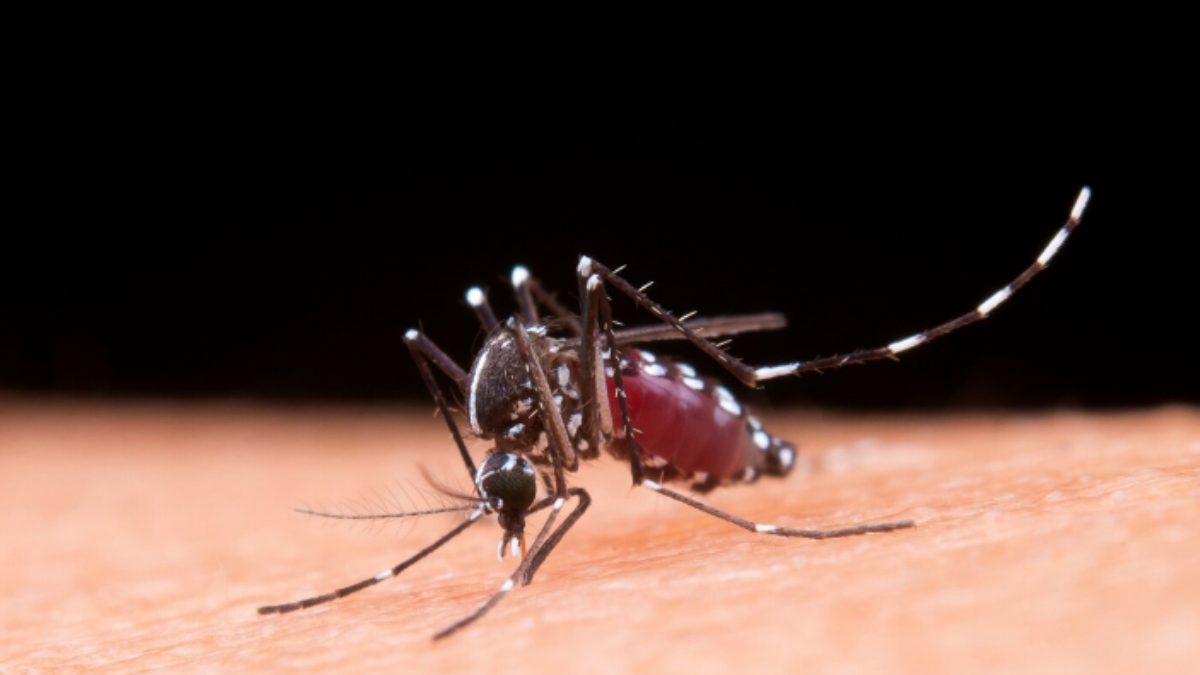
Medical experts explain that dengue is transmitted by the Aedes aegypti mosquito, which mainly bites during daylight hours. The signs and symptoms of dengue are high fever, severe headache, muscle and joint pain, pain behind the eyes, nausea, vomiting, skin rash, and fatigue. While many patients recover with supportive treatment, severe dengue requires immediate medical attention and hospitalization.
Qdenga might also help reduce the economic burden of dengue outbreaks. Large-scale outbreaks frequently put hospitals and health care systems under tremendous pressure, as families have to pay medical costs and may lose income.
The expanded vaccination coverage may reduce costs for healthcare and productivity losses associated with the disease.
Health care authorities will provide specific guidance about eligibility, vaccination scheduling, availability, and implementation strategies. Public health officials will then have to decide how the vaccine will be integrated into existing immunization and disease prevention programs based on epidemiological trends and risk groups.
India has experienced periodic dengue outbreaks in some states, and urbanization, climate change, and population growth increase the mosquito population. The use of a vaccine for all four virus serotypes should be a very important tool for disease control in the long term.
Researchers also believe that continued surveillance will remain important even after the vaccine is introduced. Health care providers will be able to assess the health effect of vaccination and the virus in the long term and customize vaccination strategy.
The approval of Qdenga represents a significant step forward in India's public health preparedness. In the absence of an all-inclusive intervention to eradicate dengue, the experts say a combination of vaccination with vector control, community involvement, environmental sanitation, and early medical care can be the most effective way to minimize the disease’s impact.
With India going all out to fight mosquito-borne diseases, it is now possible to have its first approved dengue vaccine, and with that, the hope for a more robust strategy to protect millions of people from this disease will be revived. Public health experts say that vaccination and preventive efforts are key to protecting communities in future dengue seasons.