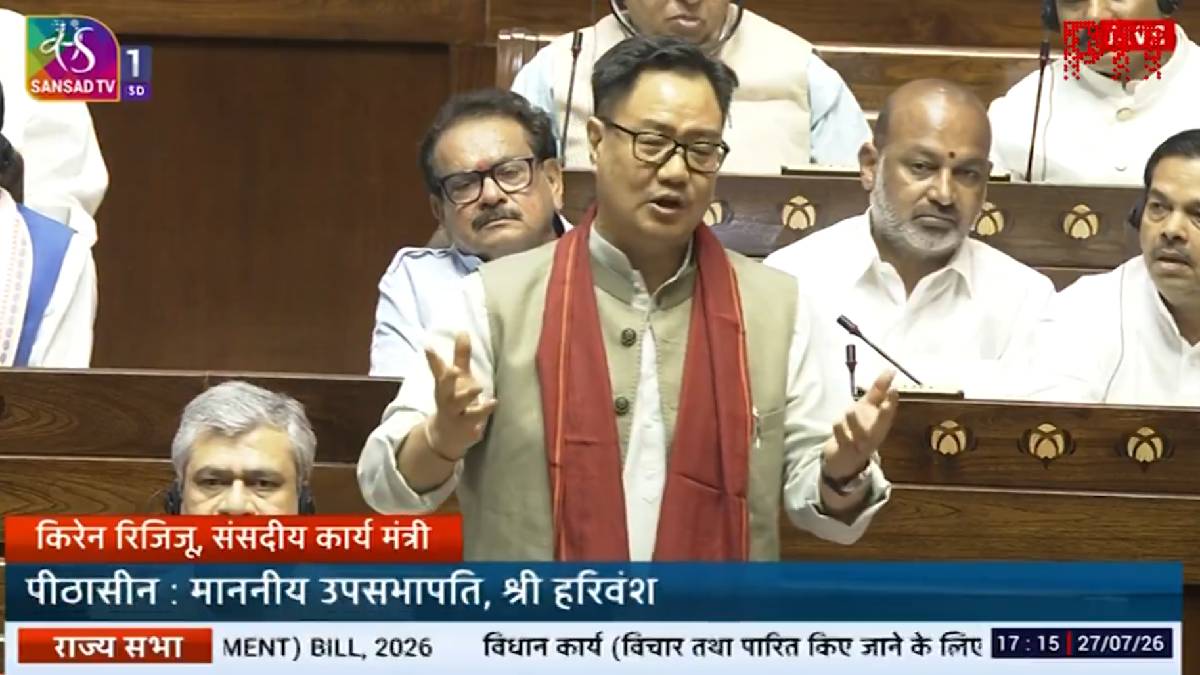
The introduction of the Anti-Paper Leak Bill in Parliament was a high political drama as members of the INDIA bloc protested the legislation at the time it was introduced in the House.
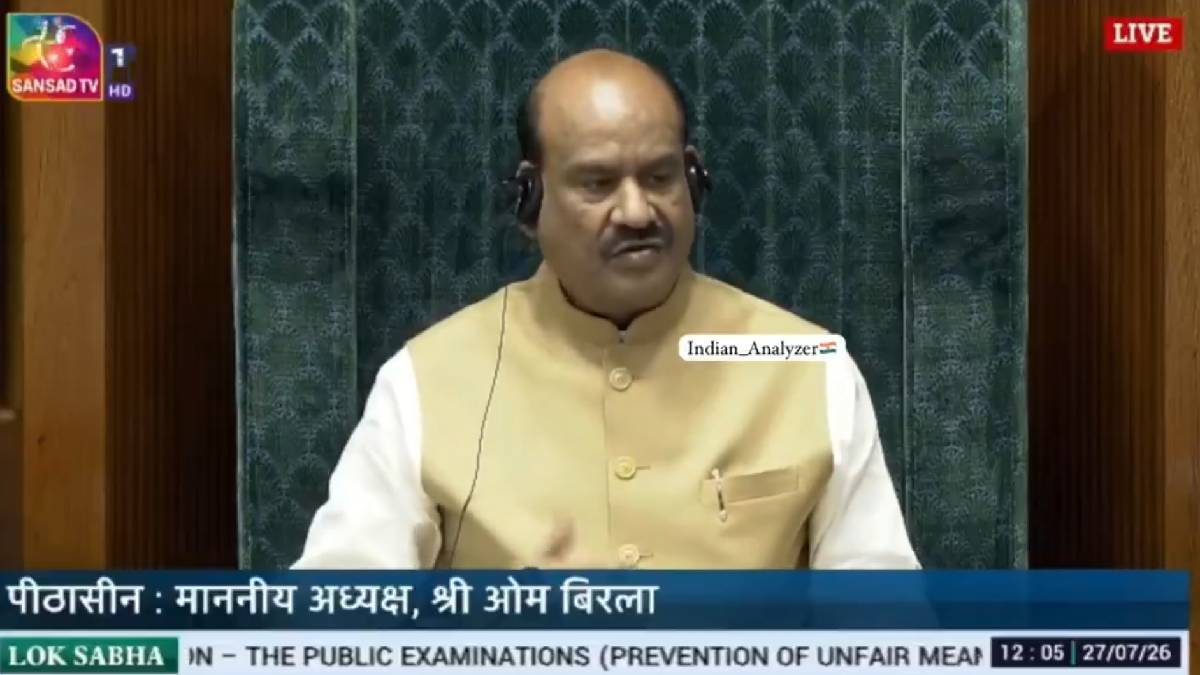
When the Bill was tabled, several Opposition Members of Parliament were seen entering the Well of the House and raising slogans and shouting “No! No!” to announce their opposition in response. The protest briefly disrupted proceedings, and lawmakers from all parties were visible.
🚨 SHOCKING!
— The Analyzer (News Updates🗞️) (@Indian_Analyzer) July 27, 2026
INDIA bloc opposes introduction of the Anti-Paper Leak Bill 🤯
Opposition MPs stormed the Well of the House, shouting “NO! NO!” as the Bill was introduced. pic.twitter.com/uJYIx6nZPy
The Anti-Paper Leak Bill has been introduced in the context of growing public concern over examination paper leaks and alleged irregularities in various competitive recruitment and entrance examinations. The proposed legislation aims to strengthen the legal framework to prevent examination malpractices, improve transparency, and introduce stricter penalties for those involved in leaking question papers or facilitating examination fraud.
But members of the INDIA bloc protested the Bill when it was introduced. Opposition argued in the House, but detailed reasons for opposing the legislation will be given in the parliamentary debate on the Bill.
The protest was witnessed by Opposition members huddled around the Chair, raising slogans as the proceedings went on. The Bill was formally introduced in Parliament despite the disturbance.
The bill is coming at a time when examination integrity is in the spotlight in the country following several high-profile question paper leaks in the last few years. Student protests against recruitment examinations and entrance tests have been widespread, and more guarantees are needed to protect the credibility of the examination system.
Government officials maintained that stricter laws are needed to stop organised examination fraud and ensure honest candidates are not disadvantaged by criminal networks involved in paper leaks. The proposed Bill will provide enhanced investigative powers and prescribe tougher punishments for individuals and organisations that compromise examinations.
And the opposition’s protest indicates that the legislation will be heavily debated during the process as it moves through Parliament. Legislators will have to explain the Bill’s provisions in detail before any final decision is made about whether it will be passed.
Parliamentary disruptions over contentious legislation are not unique, and members often use protests inside the House to express disagreement or demand more discussion. The Anti-Paper Leak Bill discussion was a sign of the bitter political divide over the matter.
Now the Bill will proceed through the parliamentary process, with members of the ruling and Opposition parties expected to make their voices heard, propose amendments, and debate it before it is considered for passage.
The outcome of these discussions will be closely watched by students, educational institutions, recruitment agencies, and other stakeholders who have called for stronger measures to safeguard the integrity of public examinations.