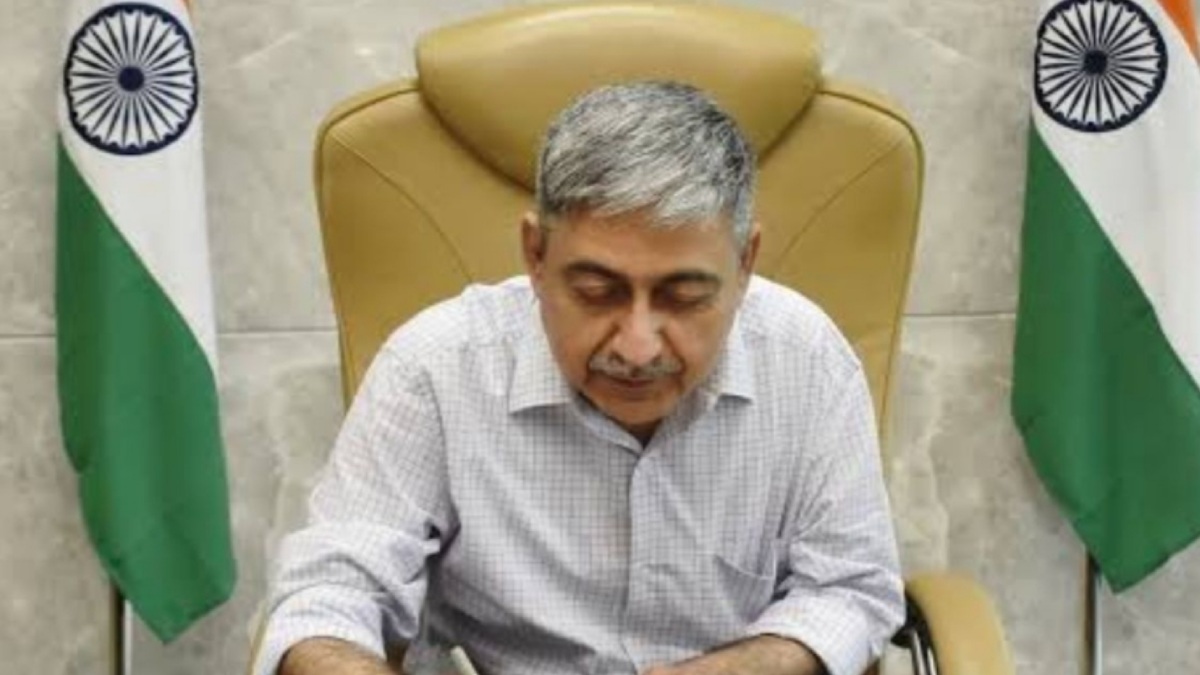
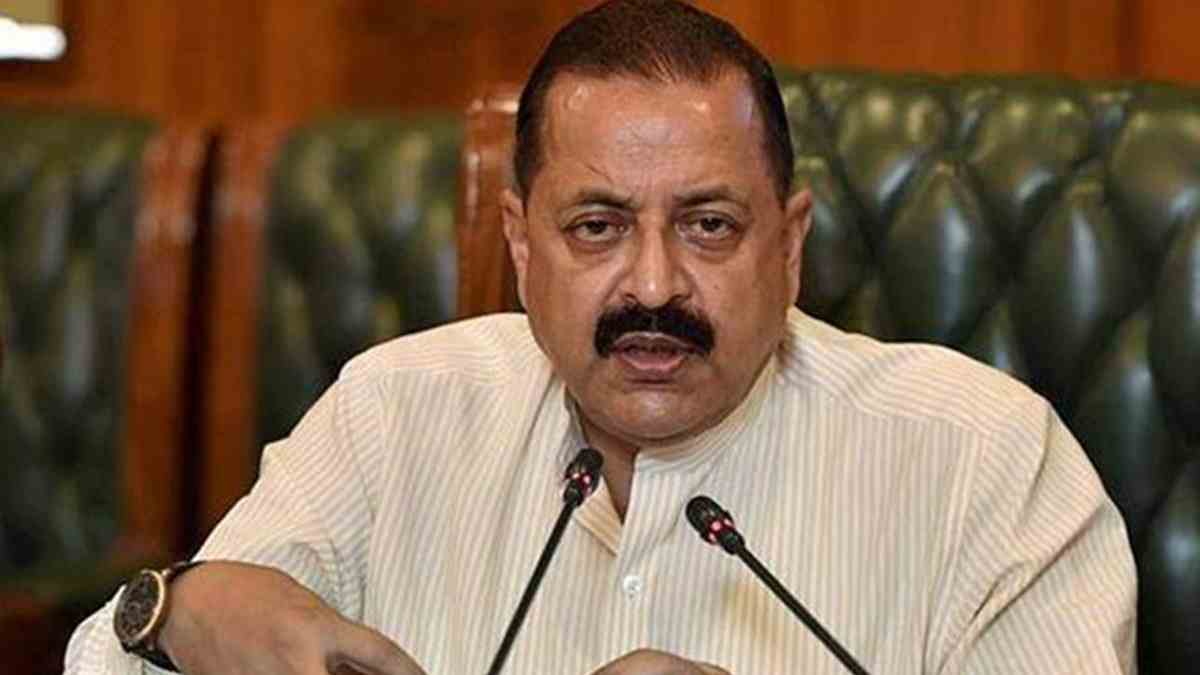
The Union Cabinet, led by Prime Minister Narendra Modi, has approved a new anti-paper leak bill to bring more punishment, longer jail terms, higher fines and fast-track courts to deal with examination fraud.
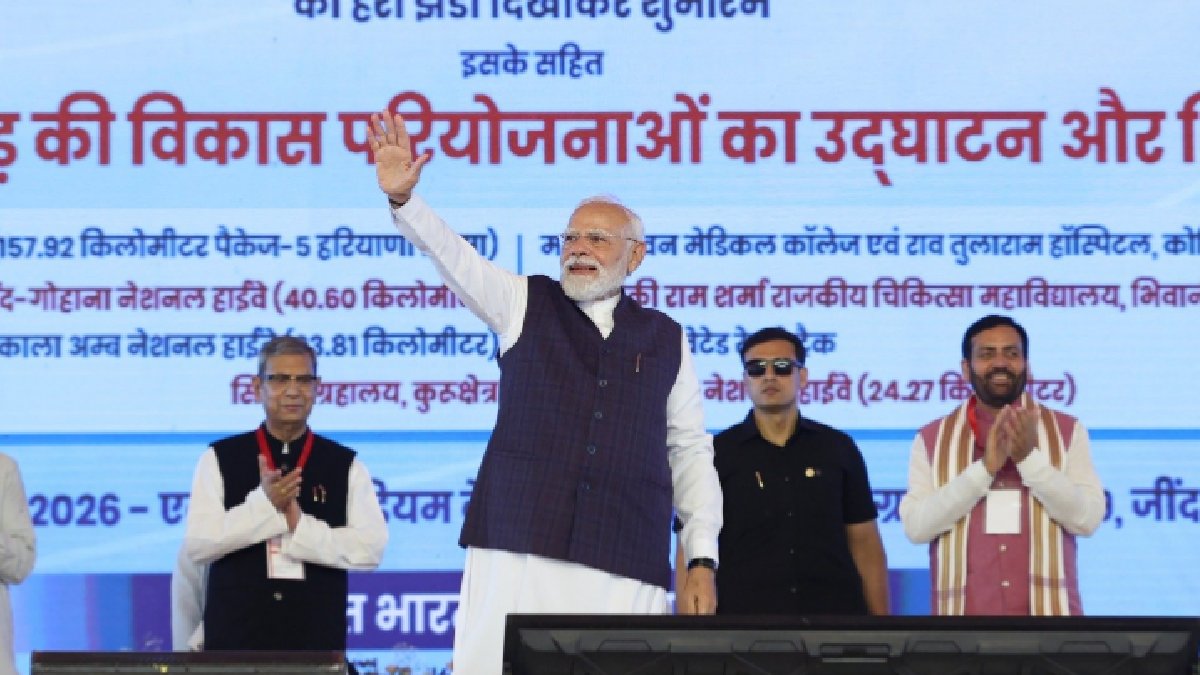
The decision was taken in a special Cabinet meeting on Friday, July 24, 2026, in order to strengthen India’s legal framework against question paper leaks and other forms of examination malpractice.
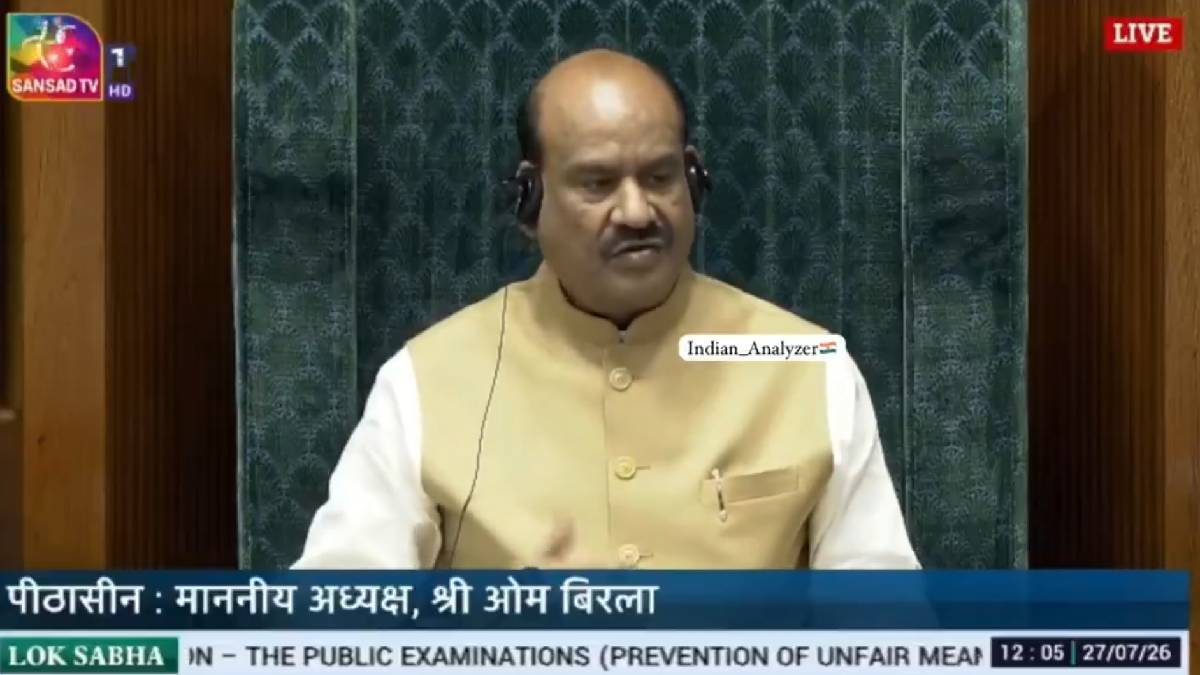
The legislation is to be introduced in Parliament on Monday when the second week of the current Monsoon Session begins.
The move comes at a time of growing concern over alleged irregularities in competitive examinations and sustained student protests demanding accountability and reforms in the examination system. The government has maintained that stronger legal action is needed to protect students who prepare for examinations through years of hard work.
Stricter Punishment for Paper Leak Offences
All of these are expected to result in tougher penalties for people and networks who leak question papers, which may give rise to cheating, or in the case of organised examination fraud.
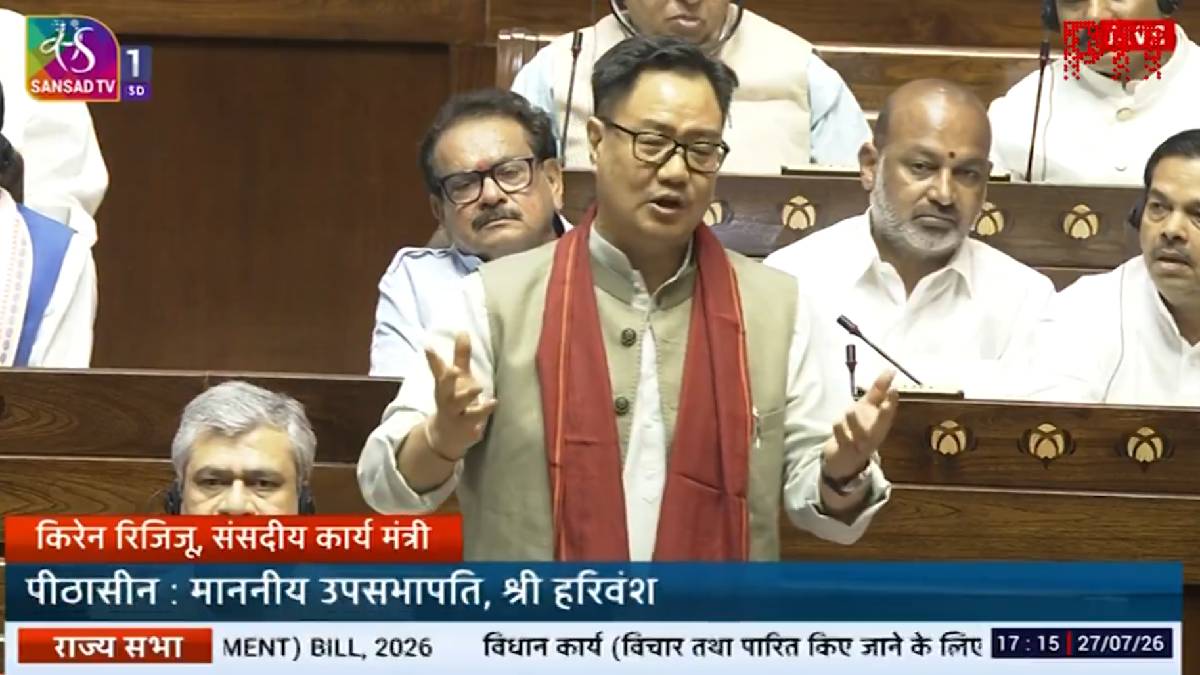
The legislation will also lead to longer prison sentences and heavier financial penalties for convicted people, the court will say. And the government is also looking to hold institutions and entities involved in conducting examinations accountable.
The proposed system would be to ensure that the people responsible for compromising examination systems would face serious legal consequences.
Fast-Track Courts for Time-Bound Trials
One of the key features of the proposed legislation is the establishment of fast-track special courts for the cases of paper leaks and examination fraud.
This is to prevent cases from continuing to languish for years and have investigations and trials completed in an even shorter period of time.
The government believes that quicker trials and stronger punishment will be a strong deterrent against organised examination malpractice.
Cabinet Decision Follows PM Modi's Push
The decision comes just hours after Prime Minister Narendra Modi ordered the government to take action against paper leaks and assured students the government would take action against them.
The issue has become a major political and public concern as protests by students and youth organisations over alleged examination irregularities.
Protesters have called on the government to take greater accountability and reform better and that question papers should not be leaked before exams.
"This is because we are trying to make sure competitive exams are credible, so we can see that students are not being turned down because of criminal activity and administrative mistakes,” the government said.
Bill to Be Introduced in Parliament
The anti-paper leak bill will be introduced in Parliament on Monday. After it is introduced, the proposed legislation will be subjected to hearings in Parliament before it’s implemented.
The government will hope the bill will be passed early as the public becomes aware of examination fraud.
The legislation might also outline the responsibilities of examination authorities, service providers and other institutions in the conduct and management of major examinations.
The Cabinet's decision is one of the government’s most substantial attempts to craft a stronger legal response to paper leaks and organised examination fraud.
The proposed law will be closely watched in Parliament as students demand reforms and accountability. The government will need to ensure the new provisions are well tested on paper and are implemented with the proper procedures for the purpose of the new law and transparent investigation, transparent procedures and trial and timely implementation of the law.
If passed, the bill would transform India’s legal framework for examination malpractice and create a system of law to safeguard the integrity of competitive examinations and the future of millions of students.