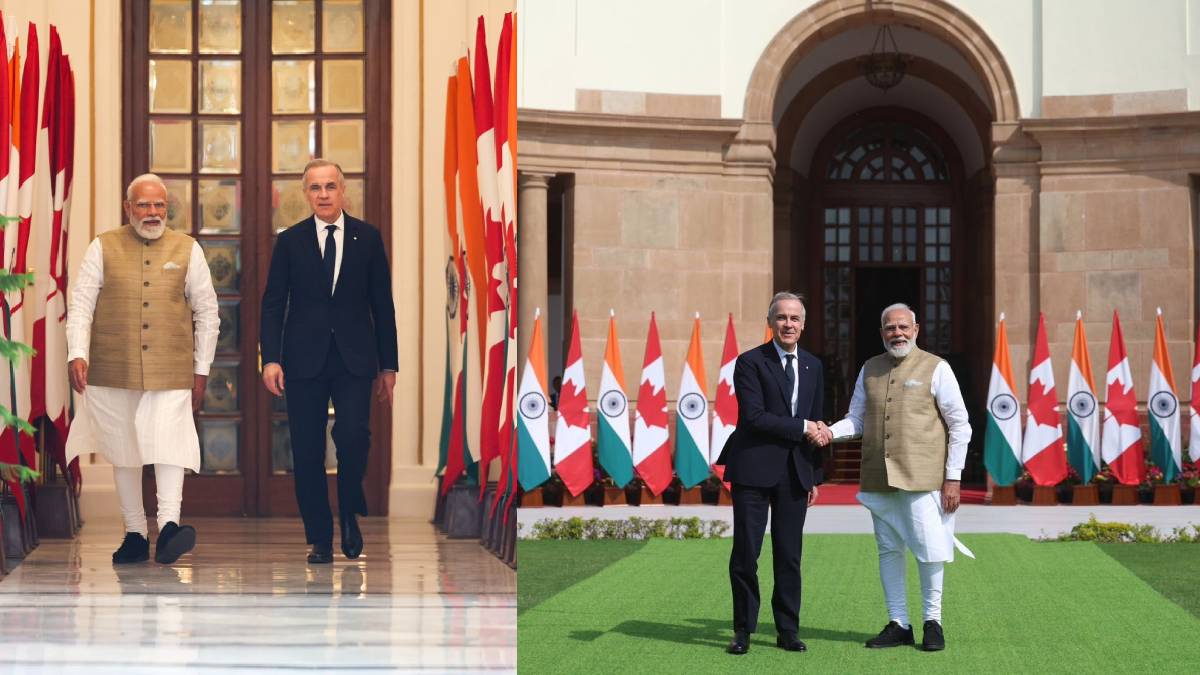
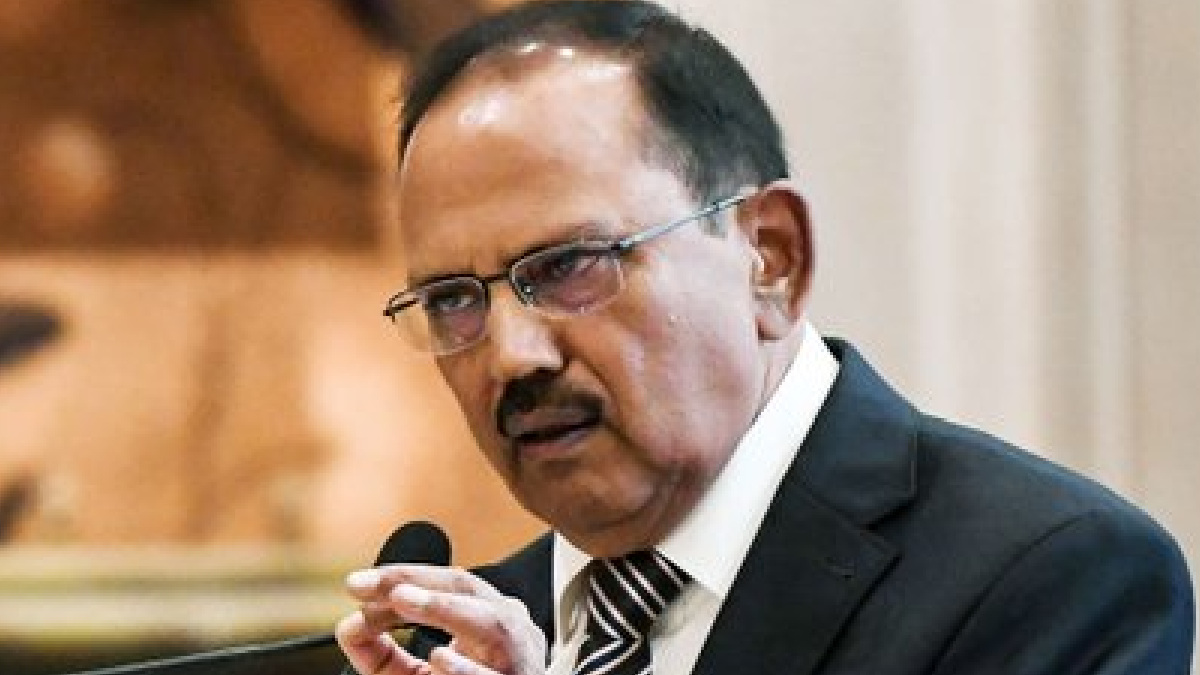
In a major milestone towards reconciling its diplomatic relations, India and Canada have agreed to put in place a 'shared work plan' to address transnational security challenges. The agreement comes after high-level talks in Ottawa on February 7, 2026, between India’s National Security Advisor (NSA) Ajit Doval and Canadian counterpart, Nathalie Drouin.
Strategic “Thaw”: Reinforcing law enforcement
After many years of diplomatic friction, the meeting marks a practical turn toward making institutional development of the security cooperation as an integral part of their national efforts. The most important part of the agreement is a decision to appoint security and law-enforcement liaison officers in each other's capitals for real-time intelligence exchanging.
The Three Pillars of the Work Plan for 2026
The NSAs aimed to tackle the two major common threats by sharing intelligence with both agencies.
- Cracking Down on Drug Trafficking: The illicit movement of fentanyl precursors was noted by both to be a major mutual threat. Through the communication, agencies want to work to dismantle these transnational organized criminal networks that link chemical suppliers in Asia with North American markets. This includes the transfer of actionable intelligence about state-sponsored cyber threats, ransomware attacks, and aligning policy to guard sensitive national digital infrastructure.
- Immigration and Fraud Enforcement: The last three sentences are about immigration and the enforcement of crime. This work plan is intended to deal directly with serious worries about visa fraud and the use of immigration channels, and to maintain the conversation on common enforcement actions consistent with international norms.
To Prepare For PM Mark Carney’s Visit
And it includes sharing technical recommendations and ongoing discussions on the possible joint adoption of counter-measures. The timing of this “security reset” is no accident. It underlies Canadian Prime Minister Mark Carney’s forthcoming state visit to India, scheduled for early March 2026. Analysts argue that by tackling "hard security" issues (a) drug flows and (b) threats of extremist behavior the two of the countries are paving the way for a huge $2-billion uranium deal and the restarting of trade negotiations.
“This is a crucial step that will expedite bilateral communiqués, making them quicker to share information about the topics of mutual interest," read out of the MEA on the statement. The Context of the Reset. This collaboration comes after a lengthy cooling off period following the diplomatic spat. Canada is following a so-called "twin-track" approach under PM Mark Carney, where active law enforcement dialogue to address India's security concerns (including extremist groups) is on a dual track while expanding cooperation in the high-tech and energy sectors.
Looking Ahead
The liaison officers will be formally deployed in the next phase of the work plan, as well as the first collaborative work of the joint cybersecurity task force. The steps are being billed as crucial “confidence-building measures” to restore trust between New Delhi and Ottawa.