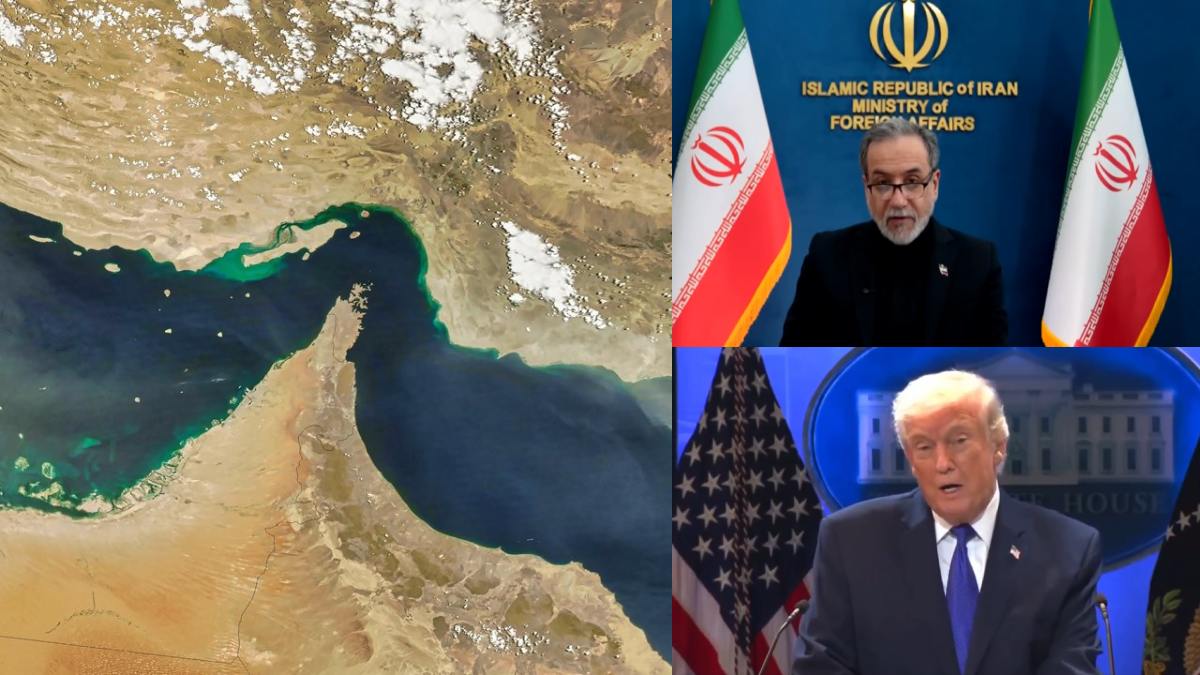
The DGMA has issued new advice for shipowners, ship managers and recruitment and placement service licence (RPSL) companies to ‘avoid sending Indian seafarers’ on vessels in the Strait of Hormuz until further orders are given. The move comes at a time when the Gulf is on the defensive due to the rising tension between the US, Iran and Israel.
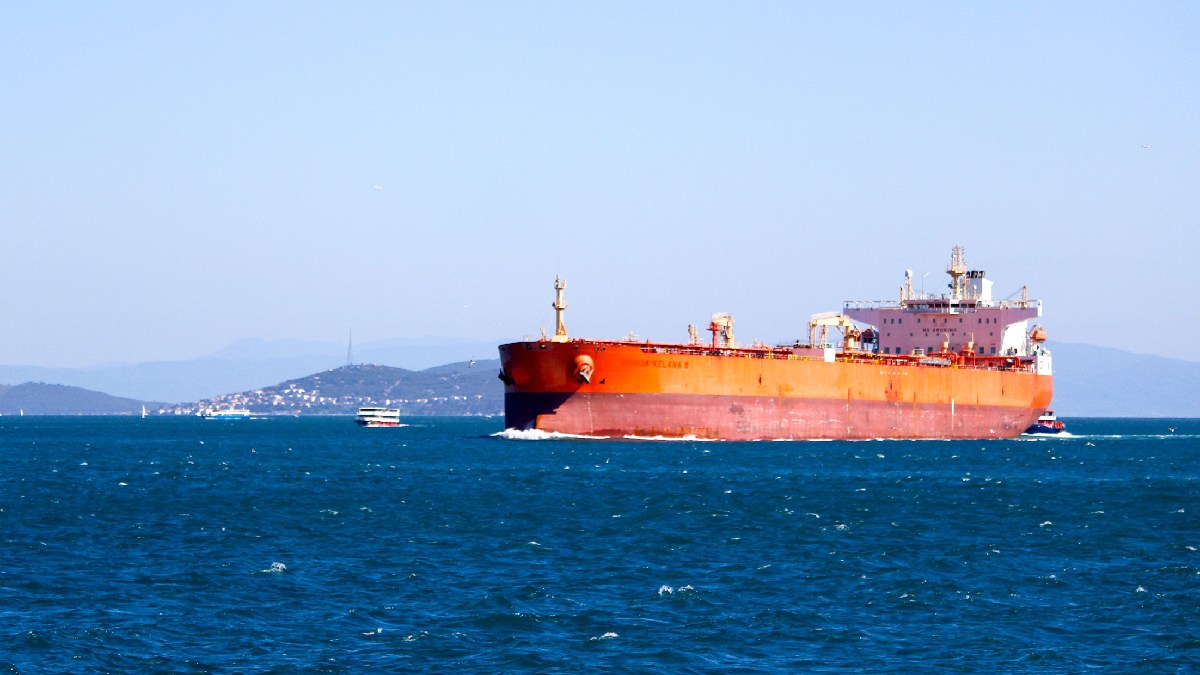
The advisory, issued on July 15 by DGMA Circular No. 36 of 2026, follows a series of attacks on commercial vessels on one of the world’s busiest maritime trade routes.
## DGMA Issues Safety Advisory
The maritime regulator made the decision based on the current state of the Gulf's security situation. Given the current security situation in the Gulf, the Directorate General of Maritime Administration (DGMA) through DGMA Circular No. 36 of 2026 has directed Ship Owners, Ship Managers and RPSL Companies to avoid sending Indian seafarers on vessels travelling through the Strait of Hormuz until further orders are issued.
The DGMA said the advisory is intended to protect Indian sailors who work on merchant ships sailing in the high-risk region.

## Heightened Security Measures for Ships
As well as restricting crew deployment, DGMA has instructed masters of all vessels operating in the Persian Gulf, the Strait of Hormuz and surrounding waters to keep on high alert.
Ship operators have been directed to:
* Continuously follow navigation and security advice from the relevant authorities.
* Follow the ISPS (International Ship and Port Facility Security) Code and all ship security plans and company security procedures.
* Ensure high security on board and be very watchful in the Gulf.
The DGMA also advised that if there was an emergency, vessels should immediately contact the Indian Navy's Information Fusion Centre–Indian Ocean Region (IFC-IOR) or the DG Communication Centre (MMDAC) for assistance.
The maritime administration is monitoring the situation and is very concerned for the safety and welfare of Indian seafarers and is taking this very seriously, the officials said.
## Advisory Comes After Deadly Missile Attack
The new advice comes just hours after two UAE oil tankers, Mombasa and Al Bahiyah, were struck by Iranian cruise missiles as they passed through the southern shipping lane of the Strait of Hormuz in Omani waters.
According to the UAE Ministry of Defence, the attack killed one Indian sailor and injured eight crew members, six of them Indian and two Ukrainian citizens. Four of the victims suffered serious wounds.
The accident has made safety of thousands of Indian seafarers on commercial vessels in the Gulf more of a concern.
## Strait of Hormuz Remains High-Risk Zone
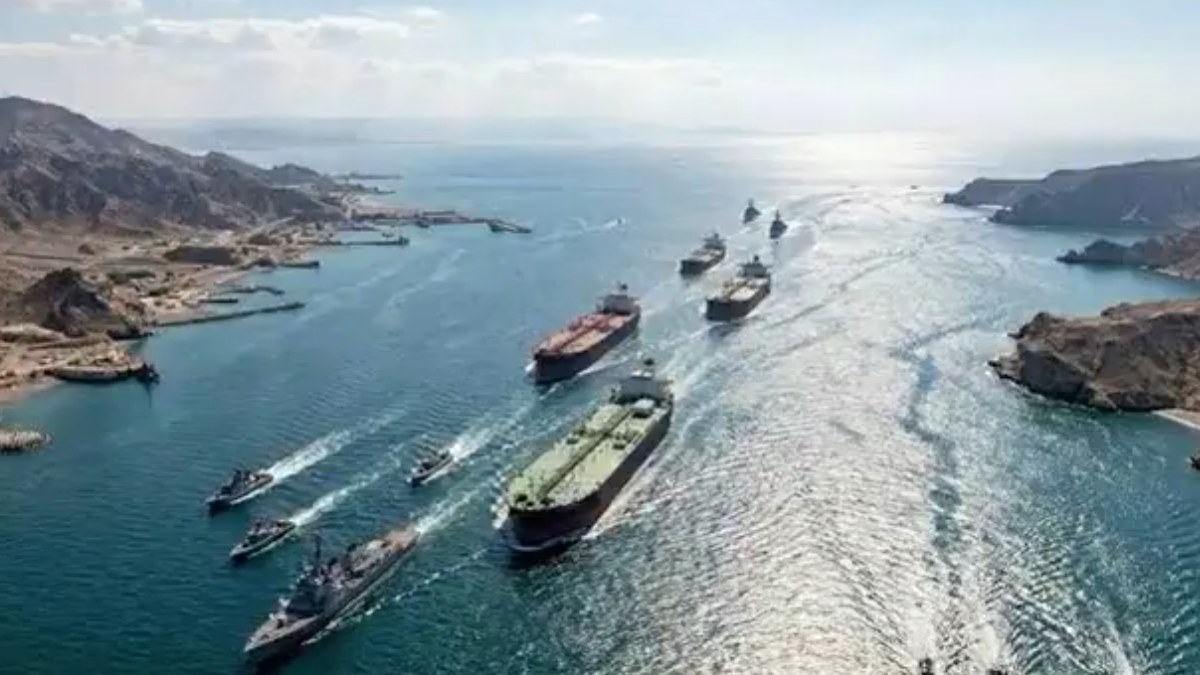
The so-called Strait of Hormuz, through which nearly one-fifth of the world’s oil supply passes, has become one of the most dangerous commercial shipping routes since the US-Iran conflict escalated on 28 February, 2026.
As military confrontations have intensified, merchant vessels on the strategic waterway have been more often caught in crossfire or targeted during such a war.
Indian seafarers who make up one of the largest workforces in the global shipping industry have been particularly vulnerable to the growing instability.
With tensions not letting up, the DGMA’s new advice underlines India’s concern for its maritime workforce and closely monitors what is happening in one of the world’s most strategic shipping corridors.