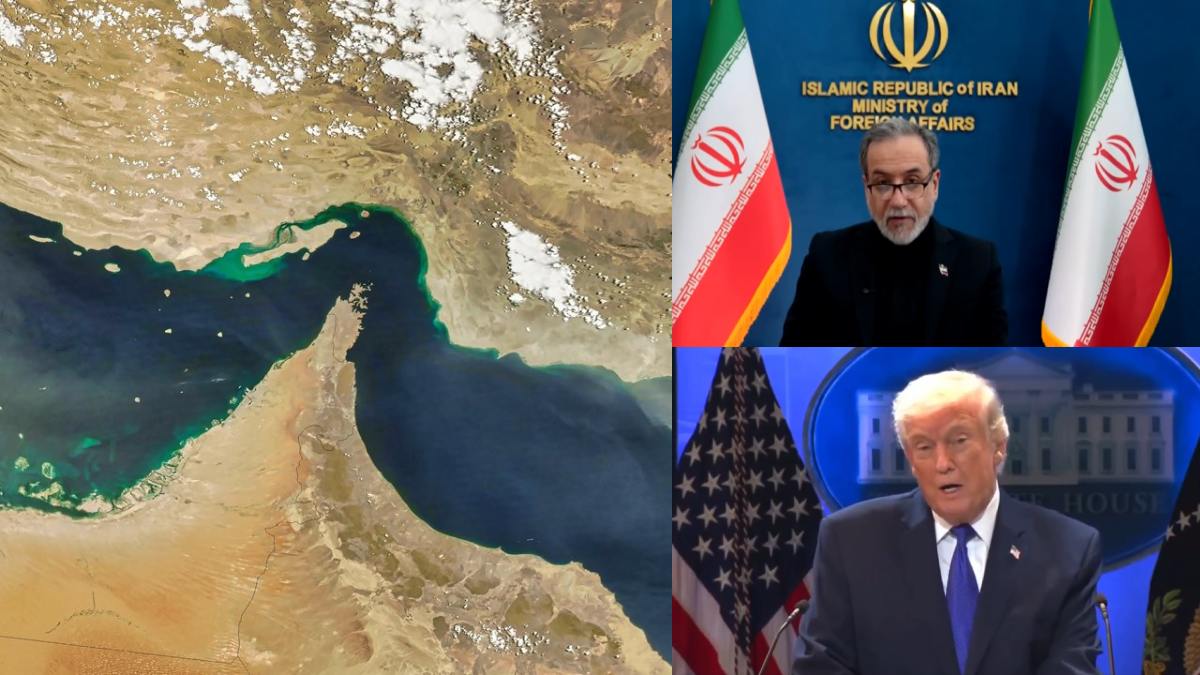
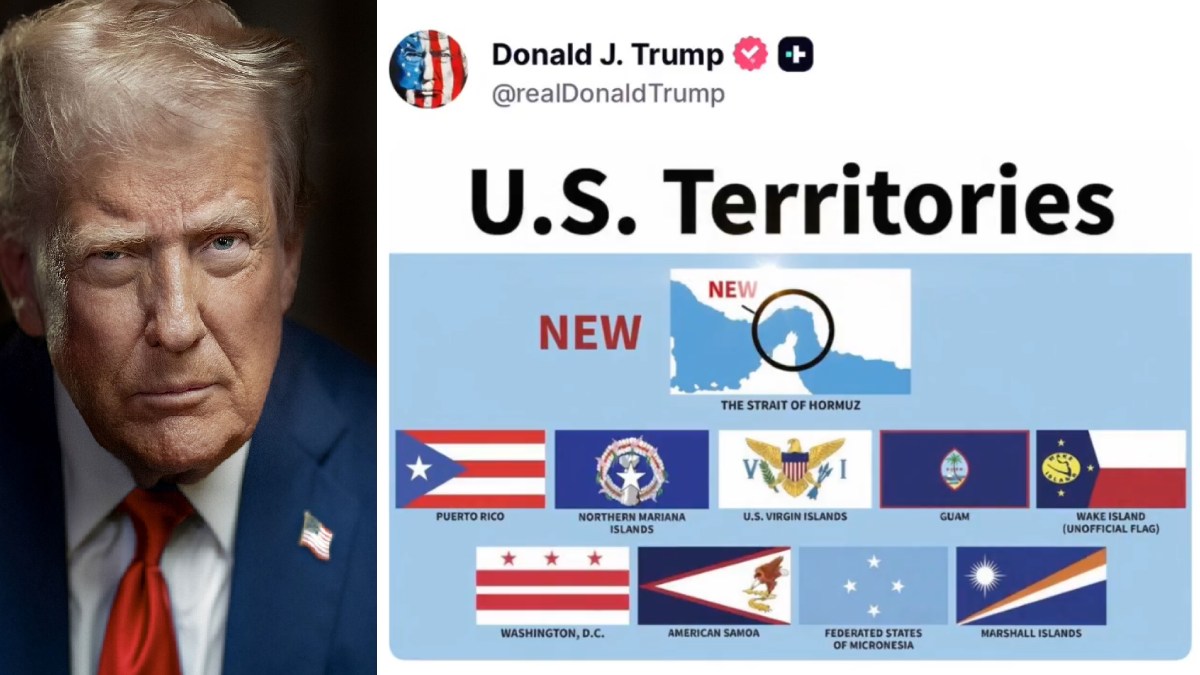
Global crude oil prices fell more than 1 per cent on Thursday as the United States and Iran reached an interim peace deal, ending months of tension and restoring normal energy trade through the Strait of Hormuz, one of the world’s key oil transit routes.
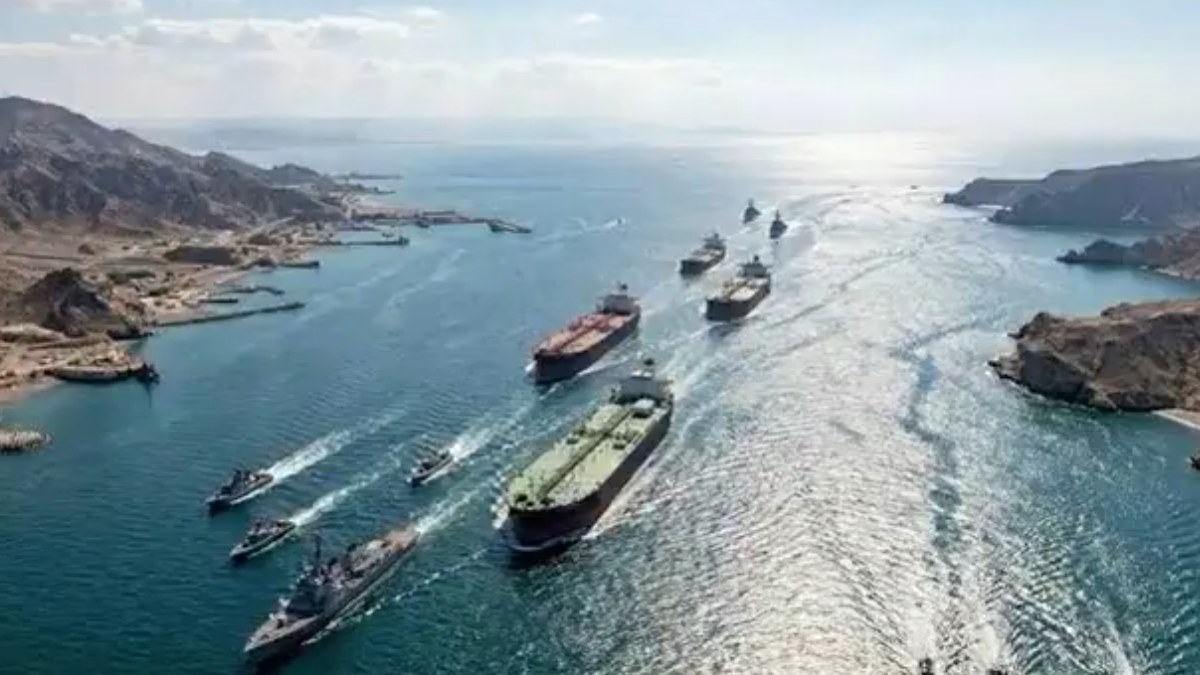
Brent crude slipped about 1.1 per cent to $78.66 per barrel, while U.S. West Texas Intermediate (WTI) crude fell almost 1.3 per cent to $75.81 per barrel.
The deal, which concluded with talks at the White House on Friday, calls for reopening the Strait of Hormuz within 30 days and easing restrictions on Iranian oil exports. The waterway is a key energy route through which nearly one-quarter of the world’s oil supply passes and is therefore crucial for global energy security.
The oil markets were rallying before this time on fears of Middle East tension and shipping routes for crude supply disruption. But the peace deal has turned the market sentiment around, and oil prices have come to a standstill as investors are now expecting a larger flow of oil from the region.
The prospect of more Iranian crude entering the market has forced traders to reassess supply risks, analysts say. Iran has some of the world's largest oil reserves, and raising their exports by a significant amount of oil will add to the world's supply.
The agreement contains a 60-day negotiation framework to resolve larger issues between Washington and Tehran. There are still many things to work out; the immediate focus for now, however, is to stabilise energy markets and re-establish commercial shipping in the Strait of Hormuz.
Market participants are looking at the pace of implementation of the agreement with great interest. Meanwhile, there are concerns that the reopening of the strait will lead to improved supply conditions, but there are also security issues and logistical, insurance, and security issues that can make the restoration of a full return to normal operational conditions more difficult.
The International Energy Agency (IEA) also indicated that if the agreement could be ratified, the oil market would be more balanced and there would be more supply available in the next year.
Even beyond oil, the global financial markets have felt the effects as energy prices fell. Low crude prices can alleviate inflationary pressure and alleviate central banks’ concern for consumers.
For the largest oil-importing countries like India, the drop in crude prices will be a positive thing: it will reduce import costs and fuel price pressures, and it will improve the trade balance.
But even as the market is optimistic, analysts say geopolitical risks in the Middle East remain very high. Investors are still waiting to see how the agreement is implemented, shipping activities in the Strait of Hormuz, and how fast Iranian oil exports will come back internationally.
But at least so far, the peace deal has brought relief to global energy markets, which have seen oil prices drop and hope for a better future in one of the world’s most vital oil-producing regions.