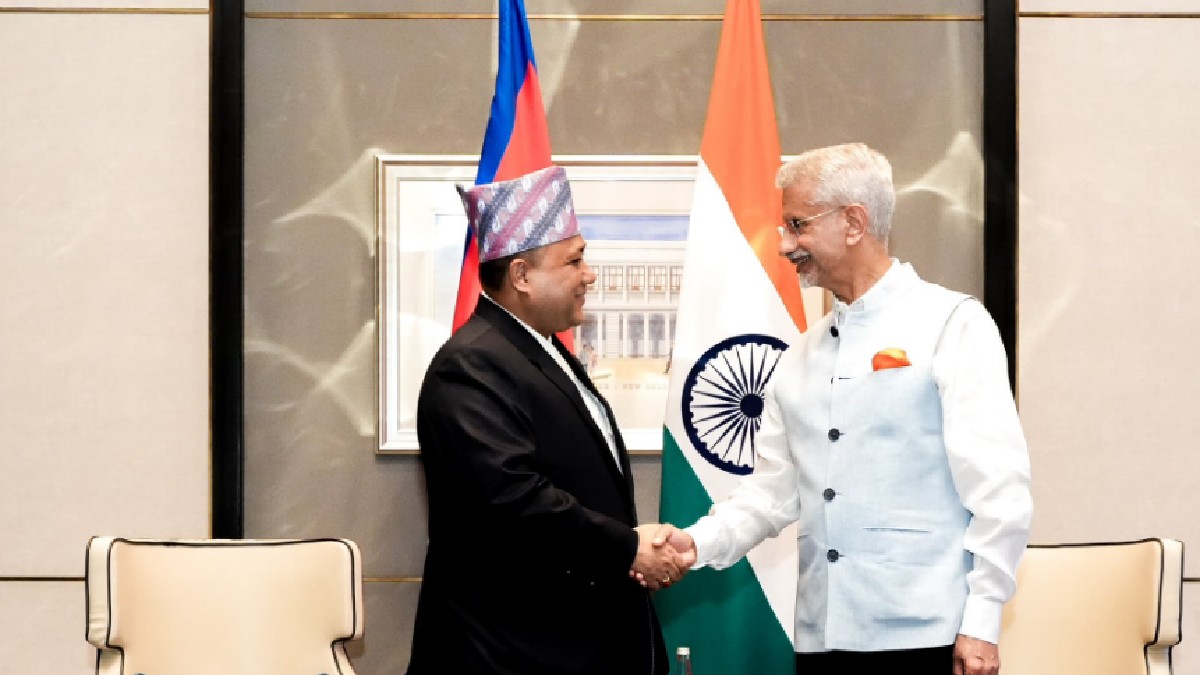
India has started discussions on expanding agricultural cooperation with Afghanistan's Taliban administration and signalled its interest in food security, agriculture, and technical cooperation. They have also had discussions on how to increase agricultural productivity, improve farming practices, and support the livelihoods of Afghan farmers, and explore bilateral cooperation in agriculture.
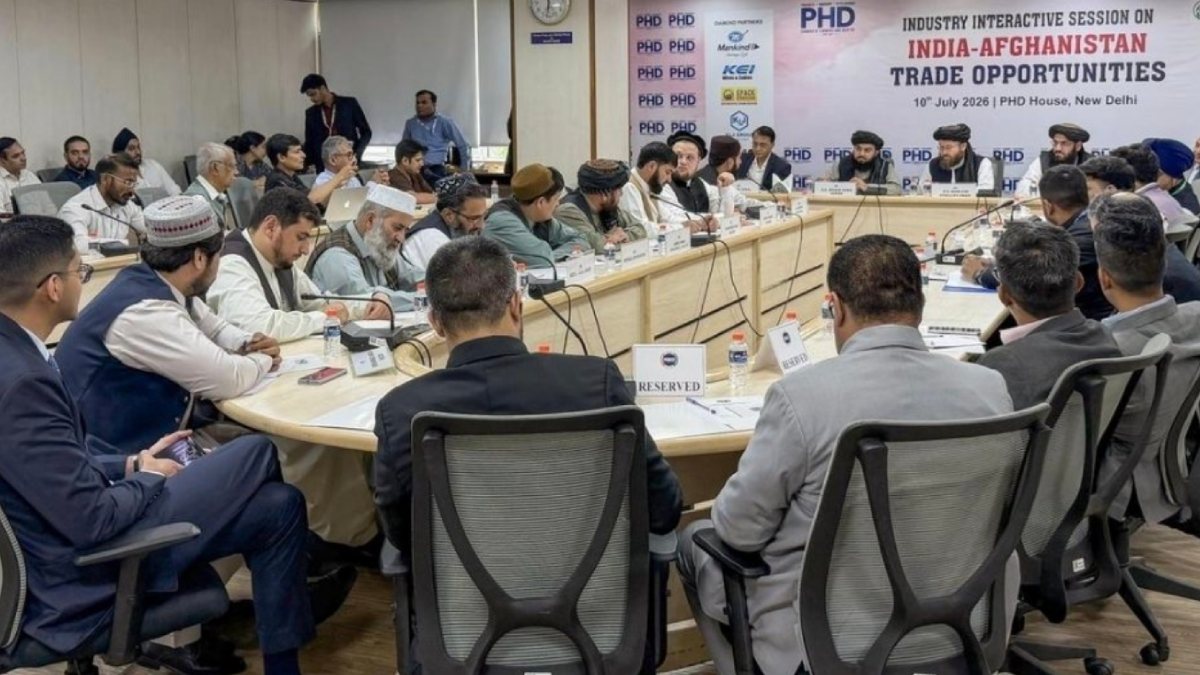
The development is also a reflection of India’s long-standing humanitarian partnership with Afghanistan, which has helped build and develop infrastructure, healthcare, education, and capacity-building projects over decades. Since the Taliban returned to power in August 2021, India has maintained limited diplomatic engagement primarily focused on humanitarian assistance, development cooperation, and the welfare of the Afghan people.
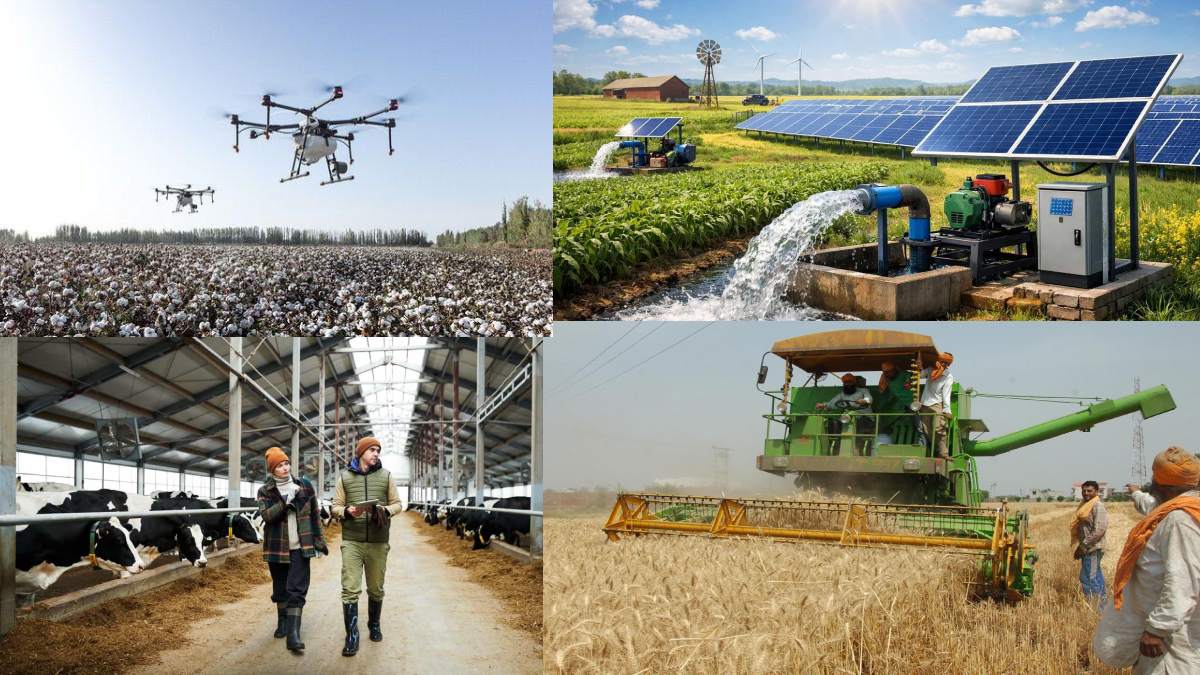
In particular, the recent debates have focused on agricultural research, seed development, irrigation techniques, horticulture, capacity building, and knowledge sharing. Agriculture is the backbone of Afghanistan's economy and employs a large share of the population. In addition to improved agricultural productivity, sustainable food security, rural income, and the country's economy all depend on it.
India has a vast knowledge of agricultural research, crop improvement, irrigation management, dairy development, and agricultural extension services. Over the years, Indian institutions have worked with a number of developing countries in terms of sharing technical knowledge, training, and sustainable agricultural practices. Similar cooperation with Afghanistan could help improve crop yields and rural livelihoods.
The discussions also come at a time when Afghanistan is dealing with significant humanitarian and economic obstacles that continue to be a huge humanitarian and economic crisis. Years of conflict, climate-related pressures, limited investment, and economic disruption have had an impact on agriculture and food security in several regions. International organizations have repeatedly stressed the need for continued humanitarian assistance in food systems and protection of vulnerable populations and the need for support to build up food systems and human resources on the ground.

India has always stated that its engagement with Afghanistan is guided by the interests of the Afghan people. New Delhi has since 2021 provided humanitarian assistance in the form of food, medicines, vaccines, and emergency relief materials through various international coordination channels. Indian officials have continued to promote Afghanistan and remain in constant dialogue with Afghanistan on issues of mutual interest.
As experts in international relations say, agricultural cooperation is often a key channel of engagement even in politically charged situations. Technical cooperation in agriculture, healthcare, education, disaster management, and humanitarian assistance is frequently pursued separately from broad political recognition or diplomatic policy. Such initiatives are usually designed to provide practical development opportunities, not to represent a change in formal diplomatic positions.
Trade and connectivity were also discussed during the engagement. Agriculture is a very significant part of the India-Afghanistan economy, and so are dry fruits, fresh fruits, medicinal plants, spices, and agricultural commodities in past trade. More agricultural cooperation may be a path to more knowledge exchange, technology, and agricultural products in the future, as long as the trade conditions and regulations are still favorable.
Climate resilience is another area where cooperation would be beneficial. Both India and Afghanistan have water management challenges, changing rainfall patterns, soil conservation, and sustainable farming. Experts say that sharing best practices in climate-resilient agriculture, irrigation, drought-resistant crop varieties, and modern farming techniques will help sustain agriculture for the long run.
Food security in South Asia is increasingly dependent on agricultural cooperation between neighboring countries, regional analysts say. Knowledge sharing across sectors in seed technology, digital agriculture, precision farming, post-harvest management, and value chain development can lead to improved productivity and rural economic development.
India’s engagement with Afghanistan, however, is carefully calibrated. The Government of India has said the basis of this dialogue is humanitarian and practical cooperation for the benefit of the Afghan people. India’s ongoing policy towards Afghanistan is informed by foreign policy, regional security, and international developments.
Policy experts also note that agricultural cooperation does not necessarily mean the recognition of a government that is still more formal or political recognition. Many countries engage with de facto authorities in the field of technical, humanitarian, or development-related issues in order to maintain their diplomatic positions. This is usually in order to ensure the supply of basic services and the solution of crucial development issues while addressing pressing developmental challenges in the world.
As discussions progress, both sides are expected to identify areas where technical expertise, training, and agricultural cooperation can be expanded. Any future initiative would most likely involve more productivity, food security, sustainable rural development, and the welfare of Afghan farmers.
The talks emphasize agriculture as a bridge for regional cooperation even in the face of complex geopolitical landscapes. By working in practical collaboration on food security and rural development, India is moving towards a humanitarian assistance, capacity building, and long-term agricultural resilience approach for the benefit of the Afghan people.