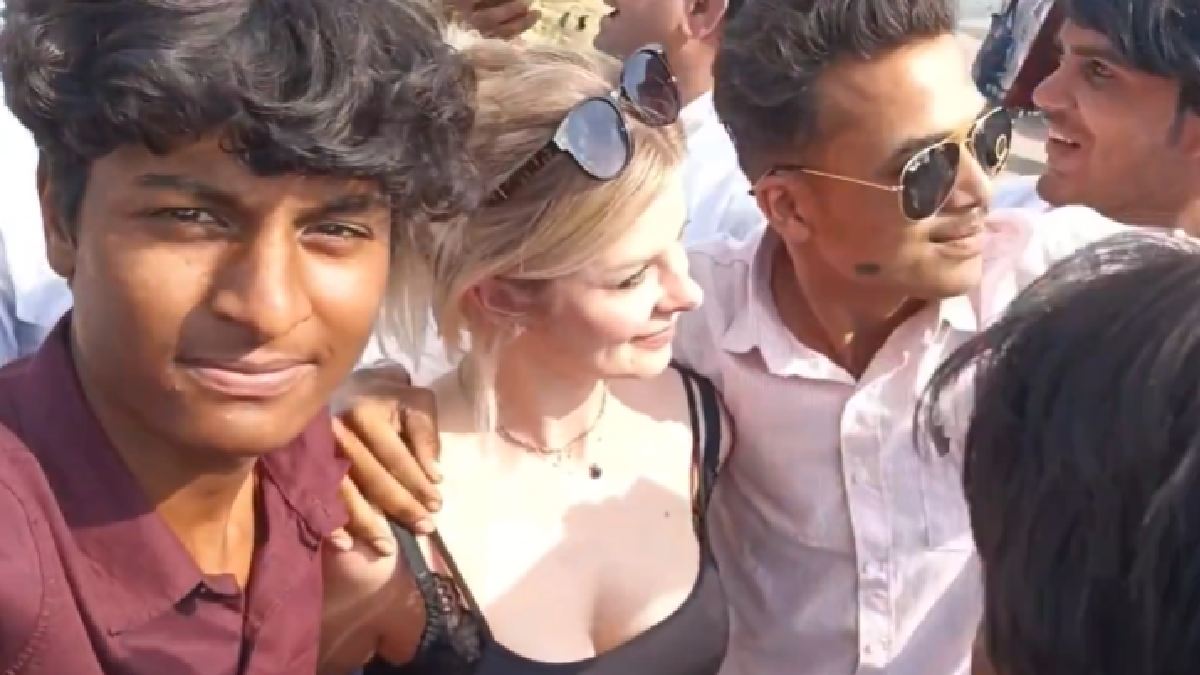
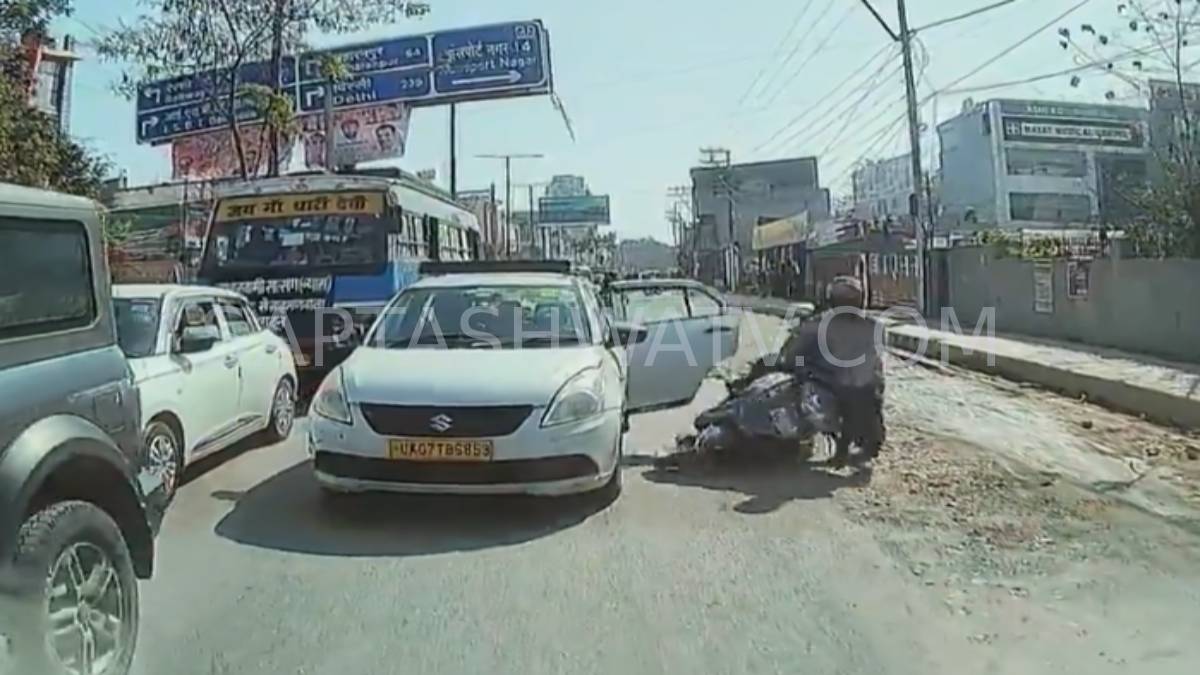
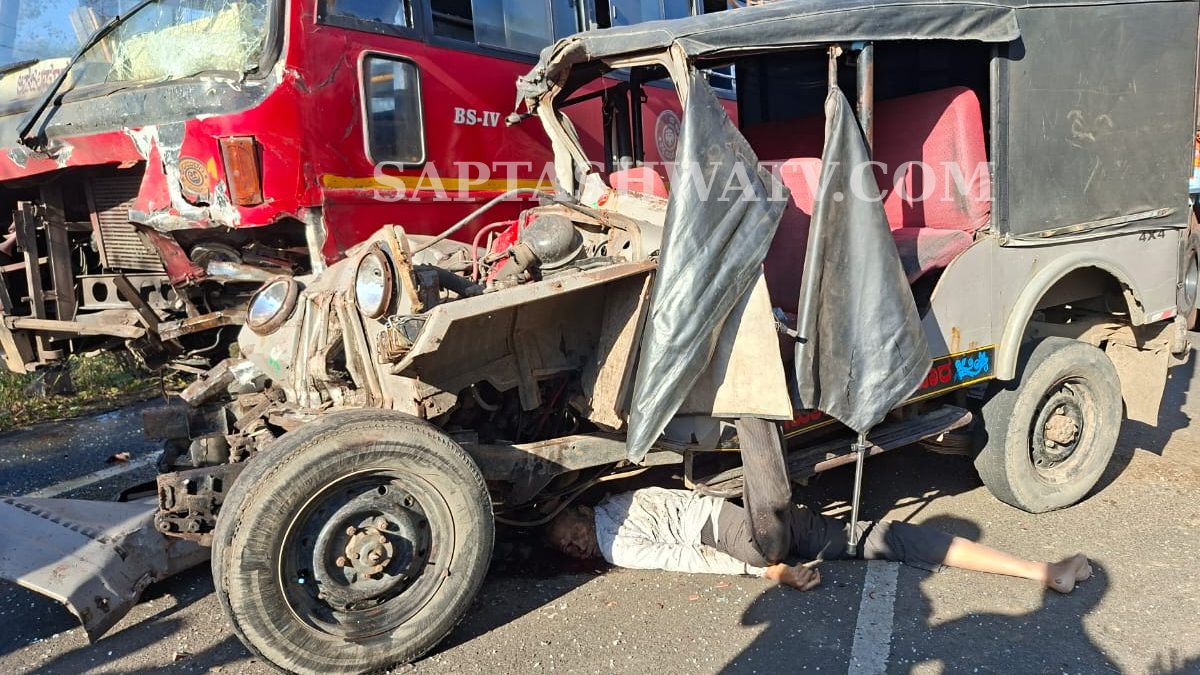
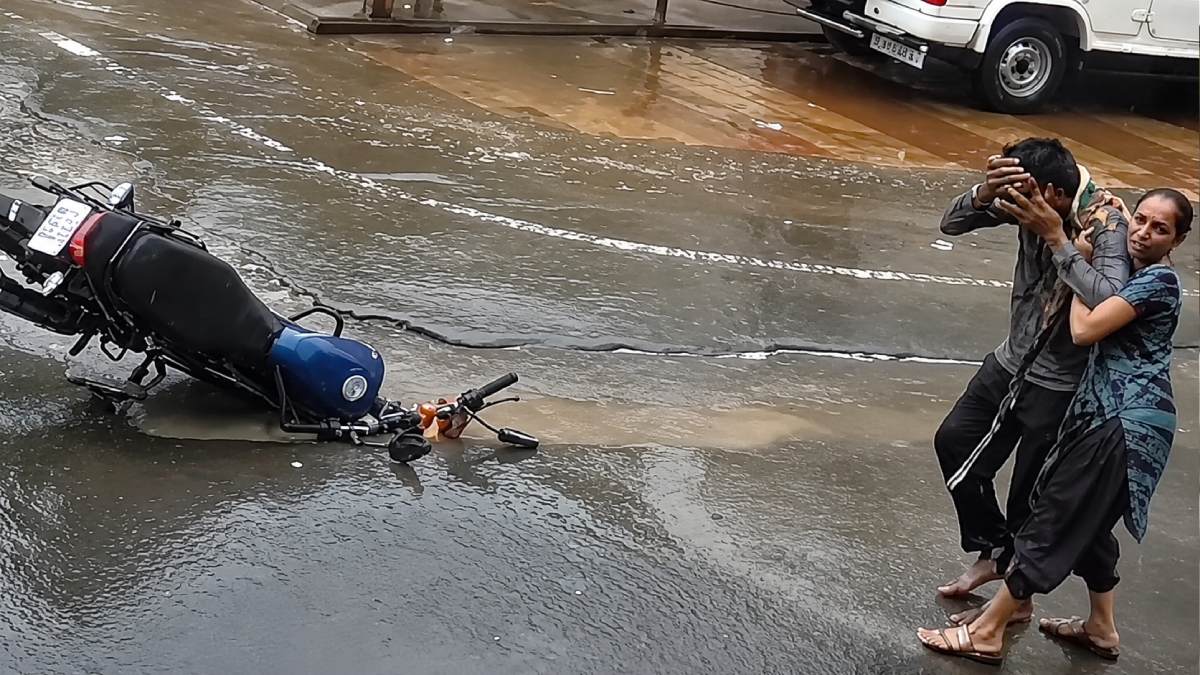
India is one of the world’s leading tourist destinations, hosting millions of foreign tourists annually. But under the bright, colorful campaigns and promises of hospitality is a grave problem: road safety. This is the latest shocking accident involving foreign tourists and once again the dangers of reckless driving, overloaded vehicles, and poor traffic rule enforcement.
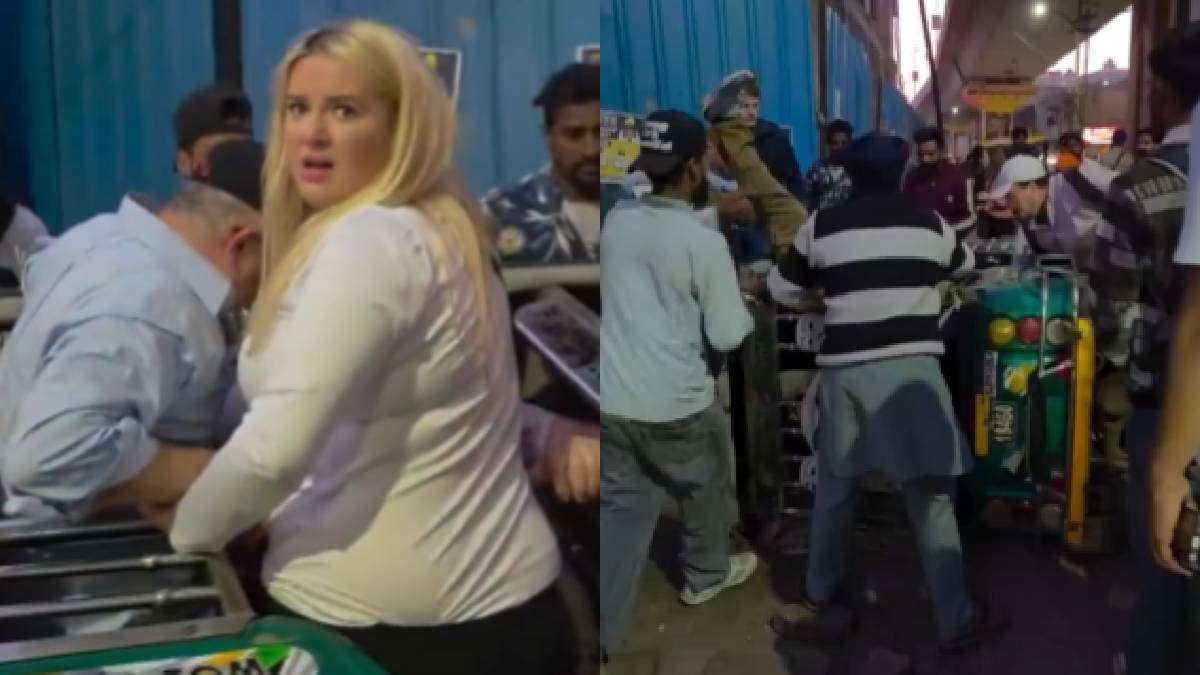
Foreign tourists have been injured in accidents involving autorickshaws and other unsafe vehicles, according to recent reports. Overloaded rickshaws, lack of maintenance, and reckless driving are now part of the everyday on Indian roads. In some cases, tourists have been trapped inside overturned vehicles, and in others, collisions have resulted in fatalities. These are not some separate tragedies but part of a broader pattern of negligence.
India's roads suffer under inadequate regulation. Autorickshaws and e‑rickshaws carry more passengers than they are designed for. Safety checks barely exist, and drivers often disregard even basic traffic laws. Accountability arrives only after someone has been harmed, resulting in victims and their families facing the fallout. For a country marketed as an important center for international tourism, such neglect is destructive, both to life and to its standing on the global stage.
The accidents have angered locals and tourists both. On social media there is a deluge of criticism of a lack of safety measures and calls for greater adherence. Many say that tourism campaigns lose credibility if the visitors of such establishments cannot be assured of basic safety. The anger is also indicative of an increasing recognition that road safety is not only about domestic concern but one that can tarnish India’s public image around the world.
India’s road safety crisis is not restricted to tourist accidents. Thousands of lives are lost every year due to reckless driving, inadequate infrastructure and lax enforcement. The situation is systemic, and unless urgent reforms are made, there will be more tragedies. From the views of foreign visitors, the accidents lead to fear and reluctance, all while undermining the country's publicity campaign as a safe and welcoming place.
Regulation is not an option anymore. Authorities should establish strict passenger limits for the number of vehicles, periodically check for safety hazards, and punish drivers for their violations of them. Locals and tourists should both be informed about safe travel practices as part of awareness campaigns. Above all, the government has to treat road safety in terms of priority, so it shouldn’t be an afterthought.
India can’t afford negligence on the roads. Lives are on the line, and so, too, is the country’s standing in the world. Tourist accidents are a painful reminder that without enforcement unless it can take hold and ensure accountability, neither growth nor promotion make much sense. Road safety is no longer a business priority but an urgent policy, as visitors appreciate India’s beauty without fear.