India is coming up with new strict regulations which could even ban Chinese-made CCTV cameras, a move to rein in national security and data privacy, in wake of growing fears of national security and data privacy. It is all part of the government’s bid against overhang of surveillance capacity and not to depend too much on foreign technology that’s perceived as risky.
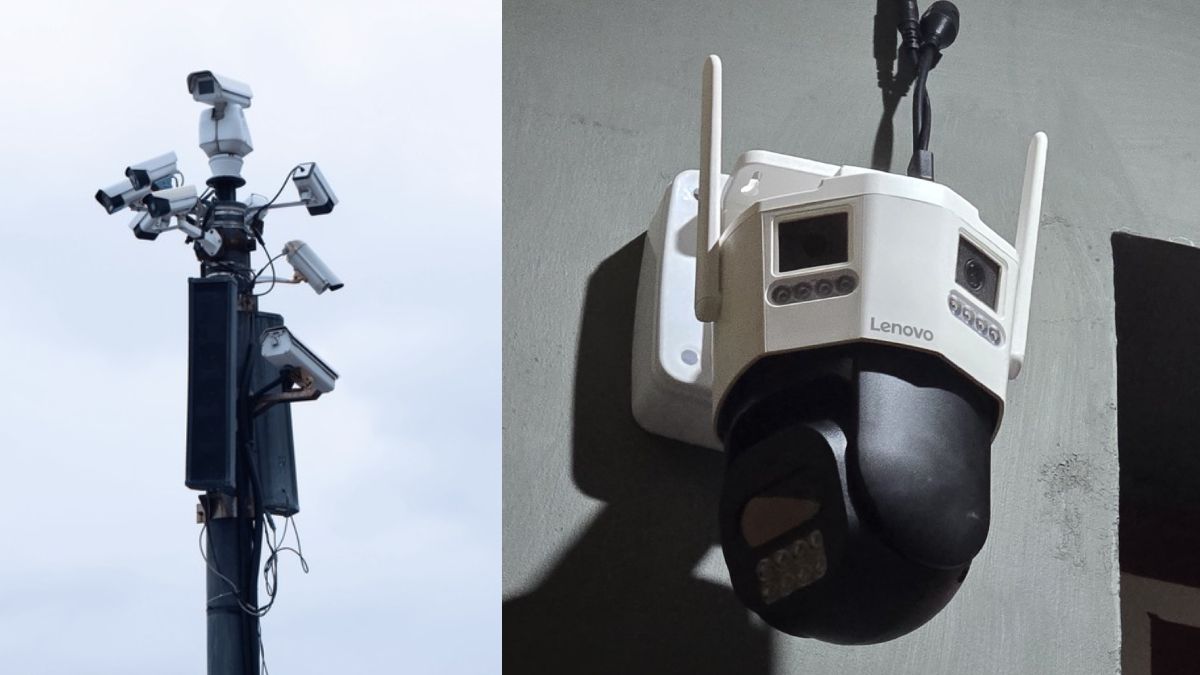
According to Chinese firms, authorities are looking at reviewing surveillance equipment manufactured by companies from Chinese companies because of fears that data breaches or unauthorized access to such devices could affect them and other systems may occur during the installation and use of the surveillance equipment. Publicly and privately owned institutions including government offices, residential complexes and commercial institutes would suffer.
In recent years, India has taken many steps to regulate foreign technology in sensitive sectors: especially those related to data transmission and surveillance. CCTV systems, in particular keeping stored videotapes and sending transmission data onto them, could also be manipulated without proper security levels for the same reason, officials said.
If the new regulations are enforced, organisations will have to purchase CCTV equipment only from trusted or government-approved vendors. That can affect Chinese manufacturers, which currently have a near monopolistic position in India's surveillance equipment market based on cost and choice.
Industry experts say it would open up opportunities for domestic manufacturers to manufacture technology solutions, and promote the introduction of indigenous products and systems. But it puts the cost up for businesses and consumers who buy cheap imported products.
The government is to introduce more rigorous certification and compliance standards for surveillance systems in India to be up to standard security requirements. Companies must be thoroughly tested and subject to data storage standards in India.
Although no ban has been announced yet, the proposals show that efforts this is in direct alignment with national security and self-sufficiency on technology. Stakeholders that are involved in industries are monitoring developments as a regulatory change would have wide implications.
Our talks come at a time when cybersecurity and data protection have become pressing problems and governments around the world are increasingly examining foreign-made technology in sensitive domains.