India has made a successful first step in the future of urban transportation with the successful launch of electric vertical take-off and landing (eVTOL) aircraft in India, and is taking a step closer to putting air taxis into the field. India's aerospace and advanced mobility sectors are evolving rapidly, and the country is well placed to develop next-generation aviation technologies.
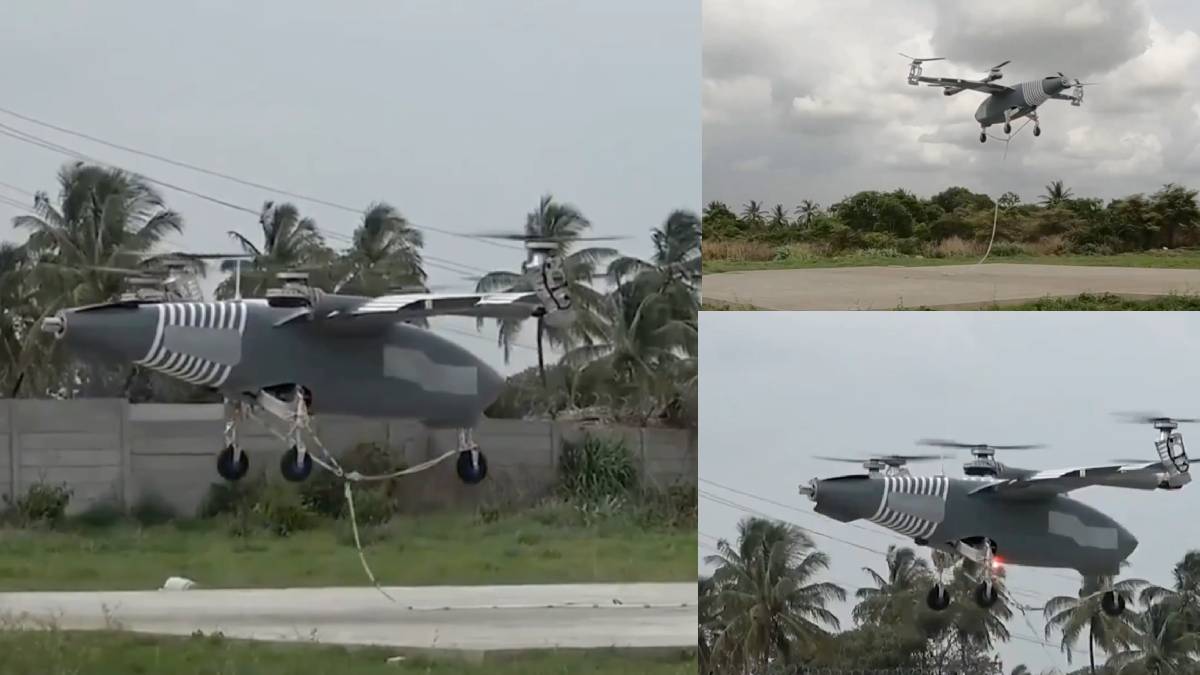
Electric vertical take-off and landing aircraft (eVTOLs) can take off and land vertically like helicopters, and are more efficient and less hazardous compared to diesel-powered aircraft in terms of cost and quality. These aircraft are considered the future of urban mobility, and many countries are investing in their development for passenger transport, emergency response, cargo delivery, and other special applications.
The successful flight test of an indigenous eVTOL platform highlights India’s ambitions to be a major player in the emerging Advanced Air Mobility (AAM) industry. Built with locally engineered technologies, the aircraft showed key flight capabilities during testing and demonstrated the systems required in a safe and reliable manner.
Unlike traditional helicopters, eVTOL aircraft fly with multiple electric rotors powered by batteries, which makes them quieter, more energy-efficient, and produces zero direct emissions during flight. Their compact design also makes them suitable for small landing pads or rooftop “vertiports,” making them especially suitable for densely populated urban environments in which road congestion is also growing.
India's urbanization is not only challenging, but also has a traffic issue. Air taxis will change the way people travel between airports, business centers, residential areas, and other major places in the country. Someone who typically travels more than an hour on the road can be transported in 15 to 20 minutes by an eVTOL aircraft.
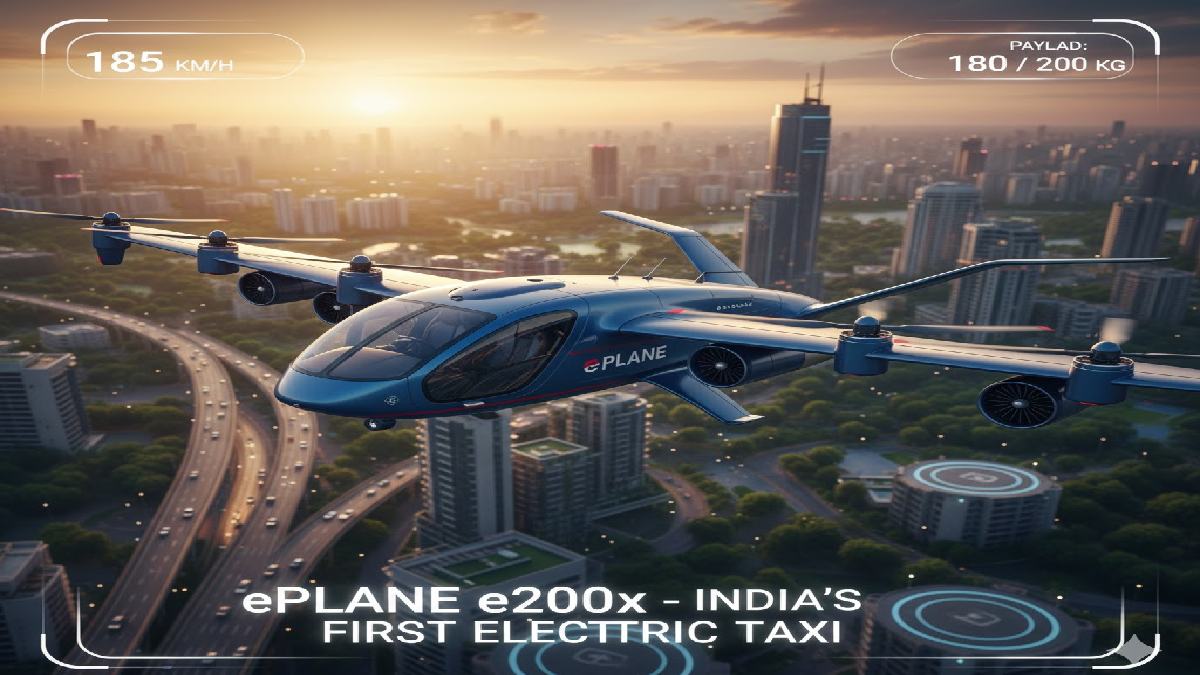
The success of the test also demonstrates the robustness of the innovation ecosystem in India. Local startups, aerospace companies, research institutions, and engineering teams have been working on indigenous aviation technologies more and more in line with the government’s overall aim of promoting advanced manufacturing, innovation, and self-reliance in high-tech sectors.
Beyond passenger services, eVTOL technology has other commercial and public service applications. These aircraft can be used for emergency medical evacuation, disaster relief efforts, cargo transportation, surveillance missions, infrastructure inspections, and connection to remote destinations where conventional transportation is infeasible.
The development of a domestic eVTOL ecosystem would create great economic opportunities. Electric aircraft production requires knowledge of batteries, electric propulsion, lightweight composite materials, avionics, artificial intelligence, autonomous flight systems, and software engineering. With the rising investment in these fields, India would be creating new jobs for high-skilled workers and strengthening its aerospace supply chain.
Environmental sustainability is another major advantage of electric air mobility. With eVTOL aircraft based on electricity, we have greater ease of use for renewable energy and cleaner urban transportation. Battery technology is evolving; though energy density and charging technology for electric air transport will get better as a result, flight range and efficiency should be improved over the coming years.
Despite the positive developments, many regulatory and infrastructure challenges are still to be overcome before commercial air taxi services can be implemented. Aviation authorities must establish the certification standards for aircraft safety, pilot training, maintenance procedures, air traffic management, cybersecurity, and passenger operations that are required for commercial air taxi services to be fully certified. We need dedicated vertiports, charging, and digital air traffic management systems to support large-scale urban air mobility.
Other countries like the United States, Germany, the UK, China, and the United Arab Emirates are actively testing eVTOL aircraft and preparing regulatory frameworks for commercial use. India's successful indigenous test puts it in a very good position to enter the global market as an integrated country with the right skills and technology-based culture.
Industry experts expect the global Advanced Air Mobility market to grow significantly in the next decade as governments and private companies invest in sustainable transportation solutions. If India can build homegrown capabilities early, it will become an early user of air taxi services as well as a manufacturer and exporter of advanced electric aircraft technologies.
The successful homegrown eVTOL test is more than just an engineering achievement; it signals India’s readiness to embrace the next generation of aviation. Commercial air taxi services may still need more testing, certification, and infrastructure build-out, but the latest step in this direction means India’s urban air mobility vision of safe, efficient, and sustainable urban air mobility is beginning to take shape.