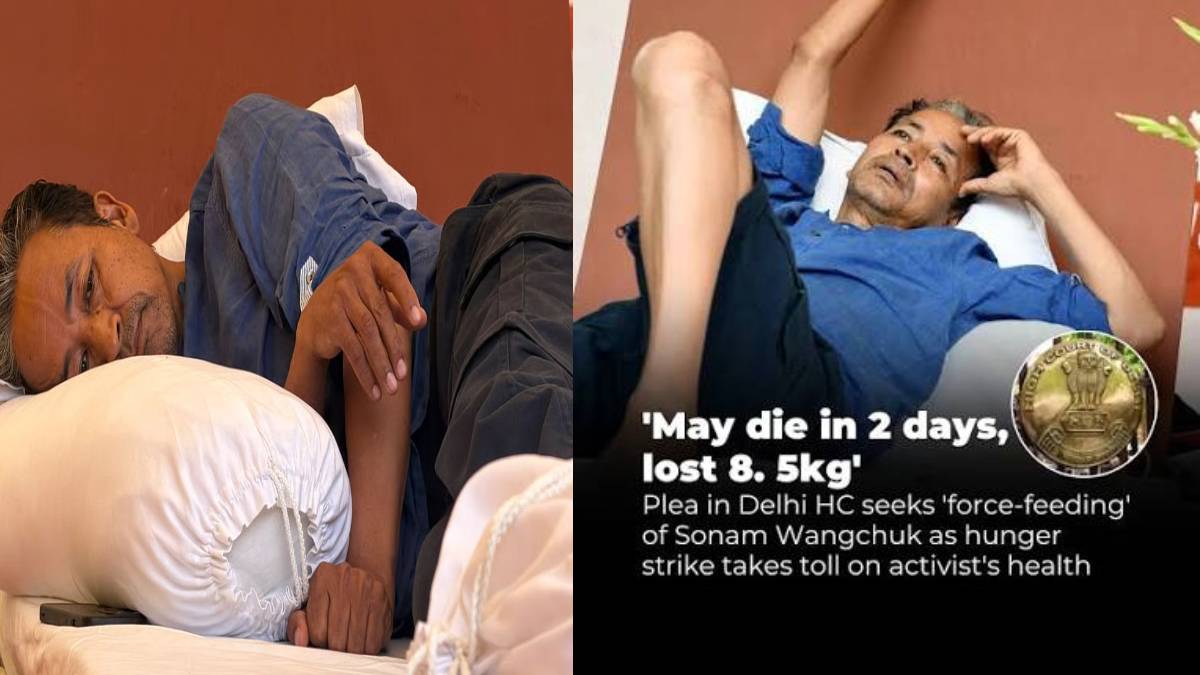
A fasting activist in India has been taken to the hospital by police after the health condition of the fasting activist deteriorated, the police said in a statement. The activist had gone on a hunger strike for a period of time, but a protest was conducted to draw attention to some of the specific demands, public issues, and public needs.
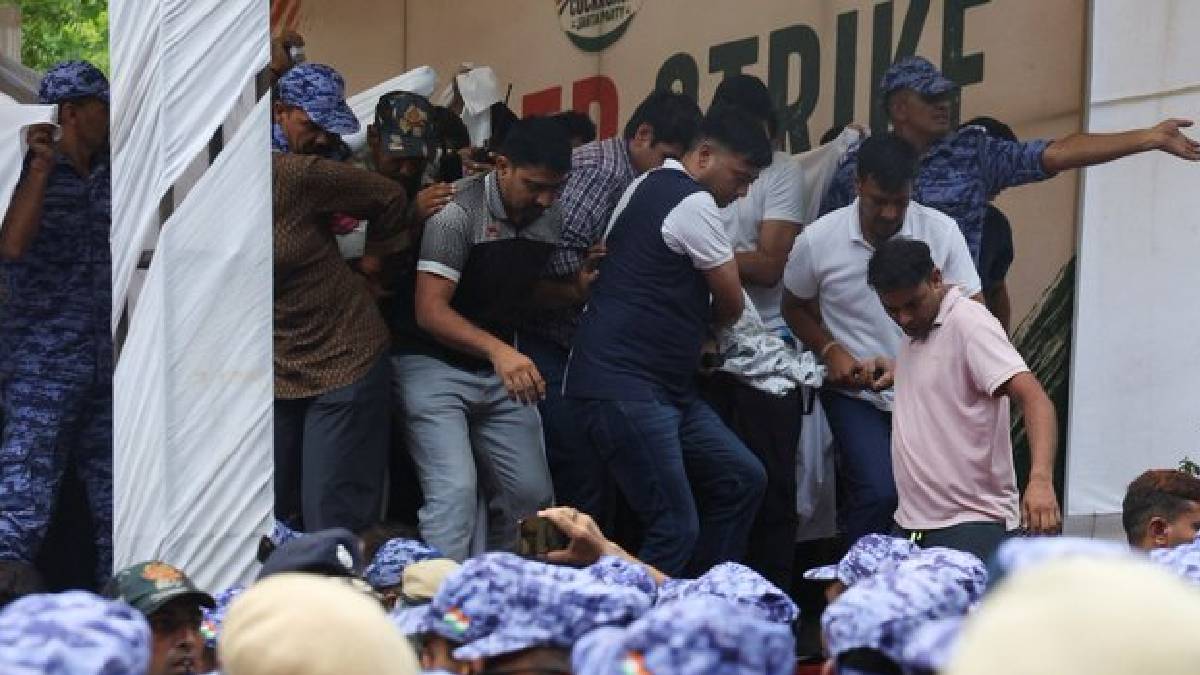
The police said they decided to transfer the activist for safety and to ensure the person’s health. Medical experts recommended immediate hospitalization after they’d assessed the activist’s condition.
India moves fasting activist to hospital, police say https://t.co/AXgHPxIr5v https://t.co/AXgHPxIr5v
— Reuters (@Reuters) July 18, 2026
Hunger strikes in India have long been well-known as peaceful protests, and activists, social reformers, and community leaders use them to demand that governments and authorities act to alleviate public grievances. When they go on for a lot longer and a lot of people are concerned about their physical health, such demonstrations are usually a big deal.
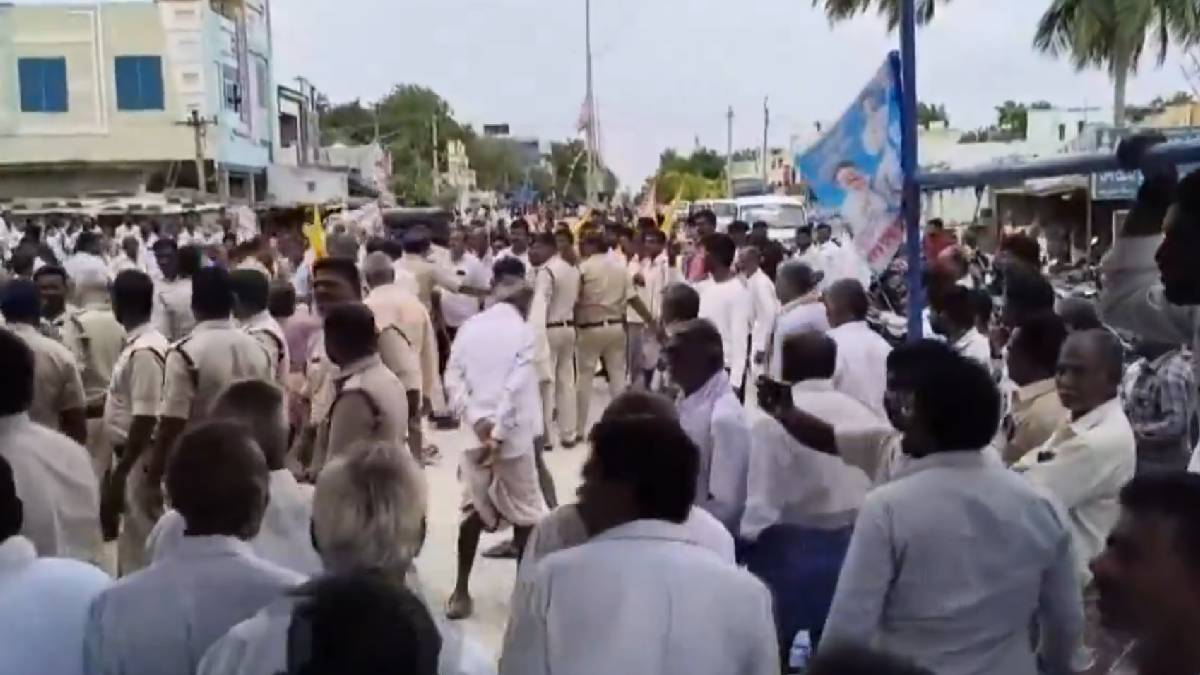
According to officials, the activist was transported under medical supervision to a nearby hospital, where doctors began performing a comprehensive health evaluation. Police said they took the action to preserve life and to make sure everyone who’s protesting could get medical care— but not to stop the protest.
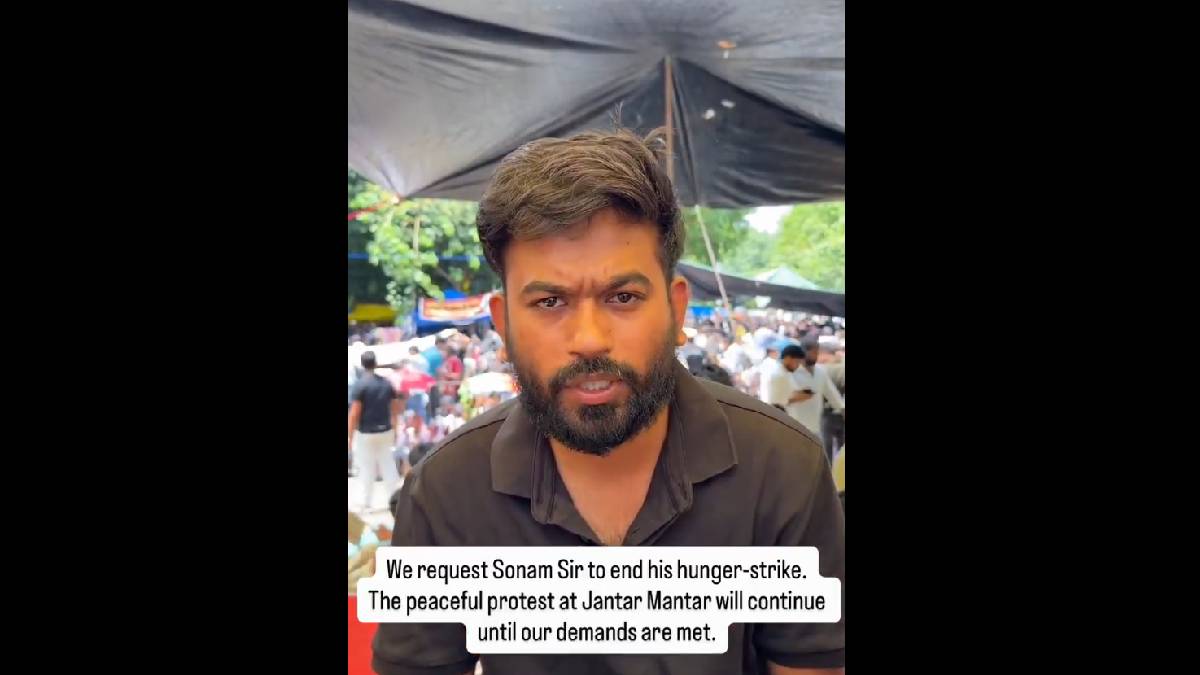
The activist's supporters expressed concern over the hospitalization, but the movement's aims remain unchanged. The campaign will be peaceful until the authorities have meaningful dialogue on the issues raised, they said, and they also called on the administration to respond more constructively to the demands than just to the protest itself.
Medical practitioners say that prolonged fasting can lead to dehydration, electrolyte imbalance, low blood pressure, muscle weakness, and complications with vital organs. So continuous monitoring is essential when a hunger strike continues for several days, especially if food intake has been completely suspended.
We have already seen a very public situation like this again, where the authorities have to strike a balance between the democratic right of protest and the duty to protect the public health and safety in India. And yet courts have made it clear that peaceful demonstrations and the state’s duty to prevent avoidable loss of life have been recognized on various occasions in India.
Political leaders and civil society organizations are closely monitoring the situation. Some have suggested that the administration and the activists be in dialogue so that the dispute can be resolved peacefully. Some have also said that democratic freedoms must be protected along with doctors’ advice.
Police have said security arrangements have been put in place at the hospital to keep things in place and to allow medical personnel access. The activist is still being treated properly if doctors are at the hospital, officials said.
As it develops, the activist’s health will be the focus, the authorities’ reaction, and whether negotiations can be reached and the hunger strike will end. Peaceful protest is still an important part of India’s democratic system and can be reconciled with humanitarian aspects.