A petition was filed in the Delhi High Court for urgent judicial intervention as environmentalist and education reformer Sonam Wangchuk’s hunger strike has been on its 18th day. The plea asks the court to direct the central government and Delhi government to take immediate steps to save Wangchuk’s life and health, including medical intervention if medically necessary and legally permitted, and nutritional intervention under professional supervision.
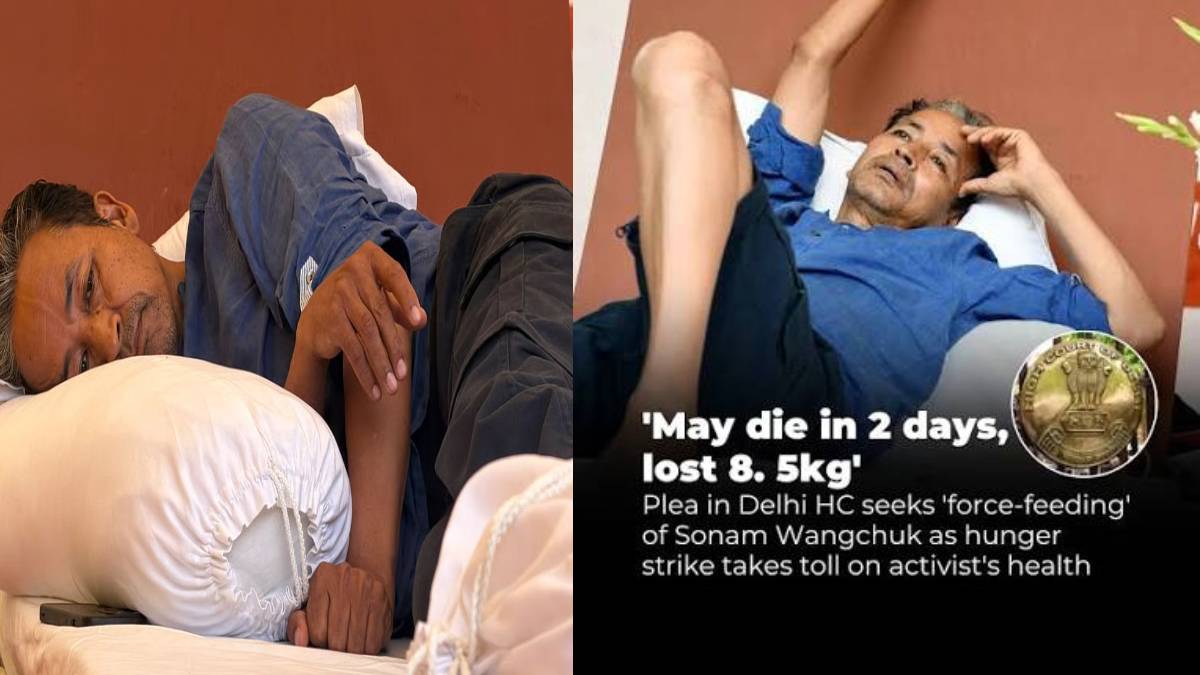
Wangchuk’s long-term fast is worrying, and the state has a constitutional duty to protect the life and well-being of everyone, irrespective of the circumstances surrounding the protest, the petition says. It asks the court to issue immediate directions to relevant government agencies and medical professionals to follow up on his health and provide appropriate medical care.
The plea warns that Wangchuk’s hunger strike poses grave health risks from prolonged fasting: dehydration, electrolyte imbalance, organ dysfunction and other life-threatening conditions, as well as complications related to the demand already mentioned by Wangchuk. Medical intervention is necessary to prevent irreversible harm, it says.
The matter is instructive for the many legal and ethical issues that arise around indefinite hunger strikes as peaceful protests. The right to protest is guaranteed under India’s constitution, but courts have acknowledged that the state has a duty to protect life under Article 21, which guarantees life and personal liberty.
The petition asks the Centre and the Delhi government to coordinate with healthcare professionals to ensure Wangchuk has continuous medical care. It also asks them to take all legal steps that medical experts consider necessary to protect him and to ensure that he is protected from harm as per the law.
Doctors say that prolonged fasting can lead to severe physiological stress. In the early days of a hunger strike, the body uses stored glucose and fat reserves as energy for daily living. As well as muscle tissue and vital organs might be more impacted, and so the risk of cardiac complications, weakened immunity, kidney dysfunction, and neurological damage is likely to be increased as the person continues.
Even here, the legal debate about force-feeding is still one that is still debated in India and abroad. Medical ethics tends to be more pro-informed consent and patient autonomy, and governments may feel they have a duty to prevent the loss of life in exceptional circumstances. The courts consider constitutional rights, personal liberty, medical ethics and the state’s need to preserve life in each case.
Sonam Wangchuk is renowned for his work in sustainable development, education reform, renewable energy, and environmental conservation in Ladakh. He has received international recognition for innovative learning methods and climate-resilient technologies for the environment in high-altitude areas. He has advocated for environmental protection, ecological sustainability, and issues related to Ladakh from within the community.
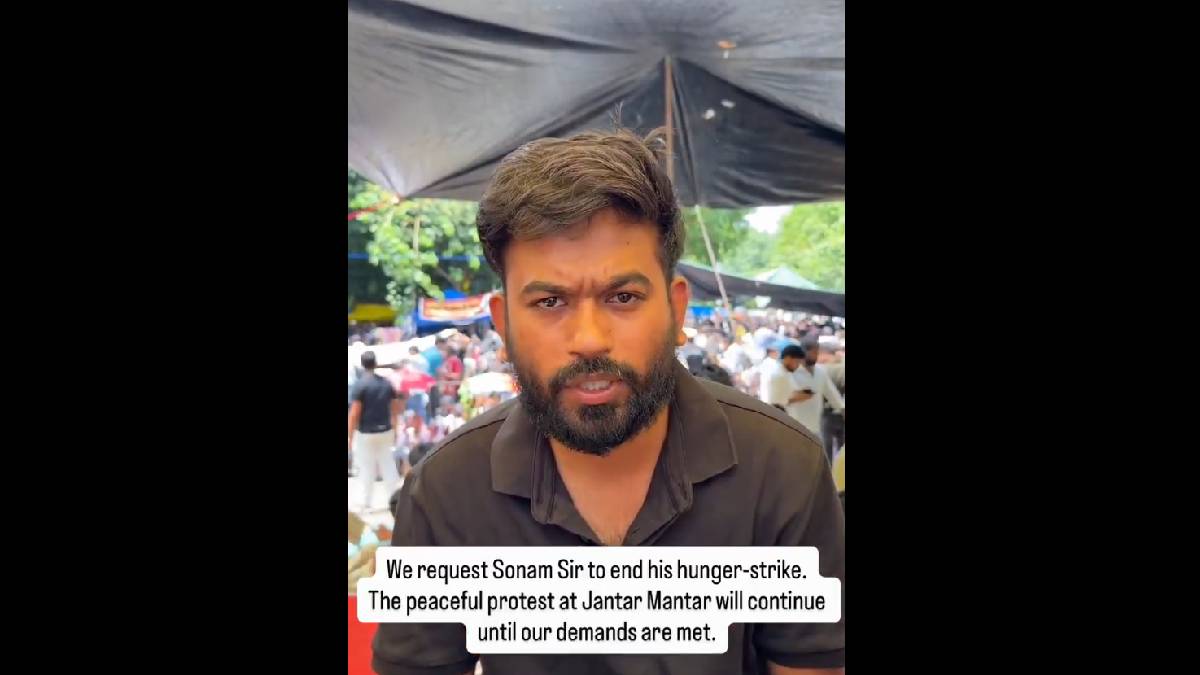
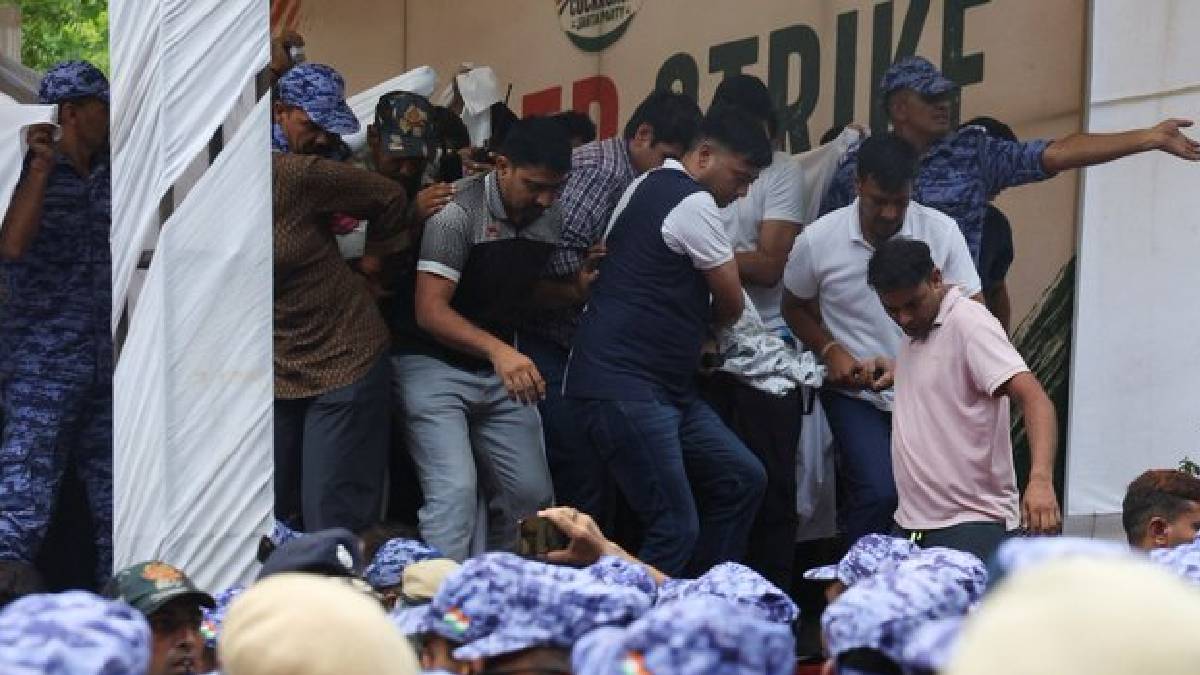
The hunger strike has attracted civil society and environmental activists, students, and the public, who have worried about his health and helped inform the discussion on the issues he has raised.
Legal experts say public interest petitions, where hunger strikes are involved, are often driven by competing constitutional principles, which are challenged by courts to balance. Peaceful protest is still a protected democratic right, but the judiciary also understands that the protection of human life is a fundamental constitutional principle. Any medical intervention is usually guided by medical evidence, statutory provisions, and judicial precedent.
The Delhi High Court will consider the petition and decide if immediate directions are warranted. Based on the court’s observations, authorities might be asked to provide status reports on Wangchuk’s medical condition, the healthcare arrangements in place, and the steps being taken to ensure his safety.
The outcome of the case could have implications for Indian courts in the future regarding prolonged hunger strikes, as individual autonomy is in tension with the state’s constitutional duties. As Wangchuk goes through this process, attention is as much on Wangchuk’s health as on the legal issues of medical intervention during peaceful protests.