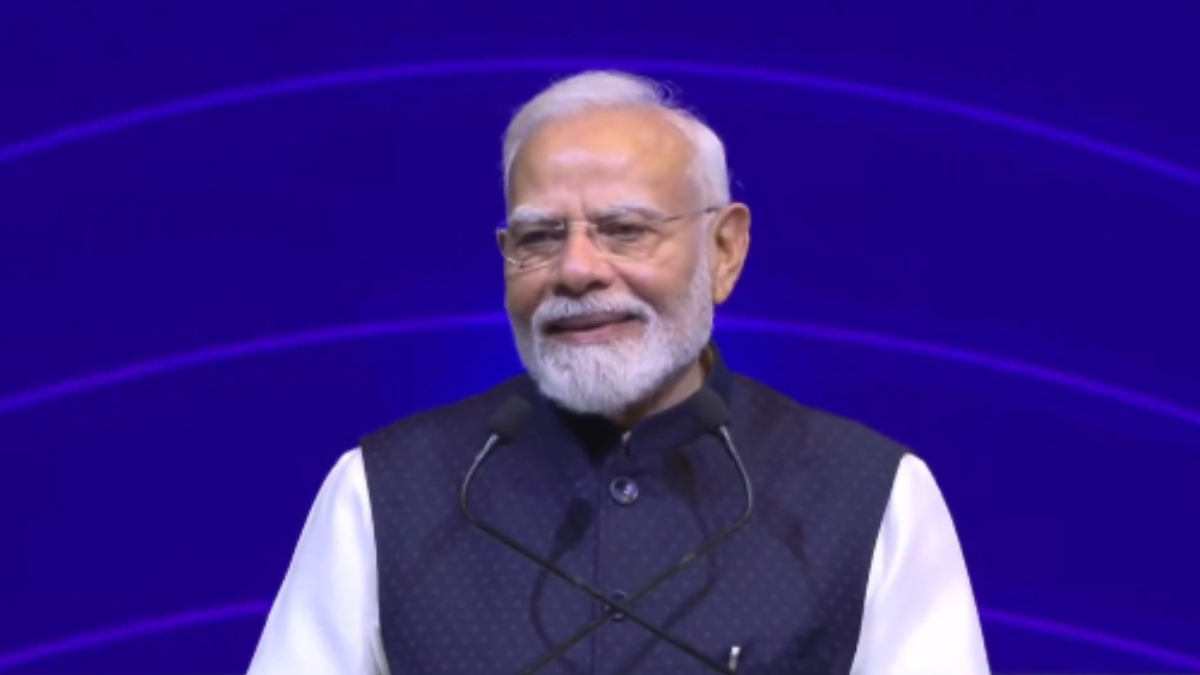
India has responded to the United States’ new sanctions on Russia and Iran and said keeping energy security for 1.4 billion people at its heart is the top priority. The Ministry of External Affairs (MEA) said on Thursday that New Delhi was closely following developments after the US Congress passed the Sanctioning Russia and Iran Act of 2026.
Bilateral energy security and security issues also need to be resolved with an analysis of the law’s effects, the MEA said in a statement. India has also taken notice of the legislation and has been assessing implications, India’s Ministry of Foreign Affairs said of it.
And the Government of India has noted the passage of the Sanctioning Russia and Iran Act in the US Congress. We are monitoring further developments on this matter,” the MEA said.
The ministry stressed that India’s energy strategy would continue to be focused on the interests of its large population. The MEA said India has the energy security of its energy security strategy will continue to be made up of diversified sources, and not just a single supplier or market.
India Had Discussed Potential Impact With US Officials
The MEA said the possible consequences of the proposed US measures had been discussed with American interlocutors at senior levels in recent months. India had clearly expressed its concerns about the potential impact of the legislation on bilateral relations and the wider international energy market.
As India has been importing Russian crude at a time when Washington has been keen on India’s growing reliance on Russian crude. The import of Russian oil has been a key element of India’s energy supply since the energy supply is becoming more competitive for the refiners as the global crude market has changed.
India has consistently maintained that its energy procurement decisions are informed by national interests, market conditions and the need to provide stable energy supplies to consumers. The MEA’s new statement puts energy security at the heart of New Delhi’s position once more.
The government has also promised it will consult with Indian trade and industry organisations on how US legislation will affect Indian businesses and consumers and respond to the economic implications. That may be how tariffs, sanctions or global energy prices affect Indian businesses and consumers.
What Does The US Russia Sanctions Bill Propose?
The Lindsey O. Graham Sanctioning Russia and Iran Act of 2026 passed Wednesday by the House of Representatives after clearing the Senate. Now the legislation moves to the next stage of the US legislative process and would need presidential action before it becomes law.
One of the key provisions of the legislation allows the US president to impose tariffs of as much as 100 per cent on countries that continue to purchase significant quantities of Russian oil and gas. That provision has attracted attention in India because the country is among the major importers of Russian energy.
The proposed legislation also focuses on Russia’s energy and defence sectors. That would come in the form of measures against individuals, vessels and other parties involved in attempts to evade or circumvent sanctions.
And if the US sanctions are implemented, the measures could have implications for other countries including Russia. Russian energy flows could also be affected by restrictions on international crude supplies, prices, shipping and trade.
Why The Bill Matters For India
India’s position is particularly important because energy imports are a major part of domestic fuel consumption. If crude oil costs or oil availability changes, it will have far wider consequences for refiners, infrastructure, industries and consumers.
New Delhi’s focus on diversified sourcing indicates that India will be flexible in its energy procurement strategy. Rather than settling on a single supplier, the government has made it clear repeatedly that the supply needs to be made available based on market conditions and national needs.
The latest development could therefore become an important issue in India-US economic discussions, especially if Washington eventually introduces measures that affect countries purchasing Russian energy.
For now, the Indian government is monitoring the situation and will take stock of things, it said. It also pointed out in its statement that talks with the US have already been initiated and it is in touch with domestic trade and industry bodies to gauge the impact on companies and the economy.
New Delhi is now in a unique position: it has to balance international relationships with the need to ensure that India’s population is guaranteed safe and affordable energy supply.