India is on the verge of a great step in its energy journey, with the country's first private nuclear power plant expected to be operational by 2032. The current plan is a major change in India's nuclear energy policy and a pathway that will allow for private companies to play a bigger role in meeting the country's long-term clean energy and energy security needs.
The new move is also a part of the government’s larger approach to diversify India’s electricity supply and speed up the transition away from carbon dioxide—and hence to clean energy. Nuclear power is considered a reliable source of clean electricity because it is able to produce power around the clock and with no greenhouse gas emissions during operation.
The proposed private nuclear power project will be built with a government-controlled regulatory system and will allow more private sector participation in investment, construction, technology, and operation with India’s nuclear laws and safety regulations in mind.
Nuclear power is currently a relatively small part of India’s total electricity generation compared to coal, hydroelectricity, solar power, and wind energy. But the government has repeatedly stressed the need for increased nuclear capacity to meet the growing electricity demand and reduce carbon emissions and reliance on fossil fuels.
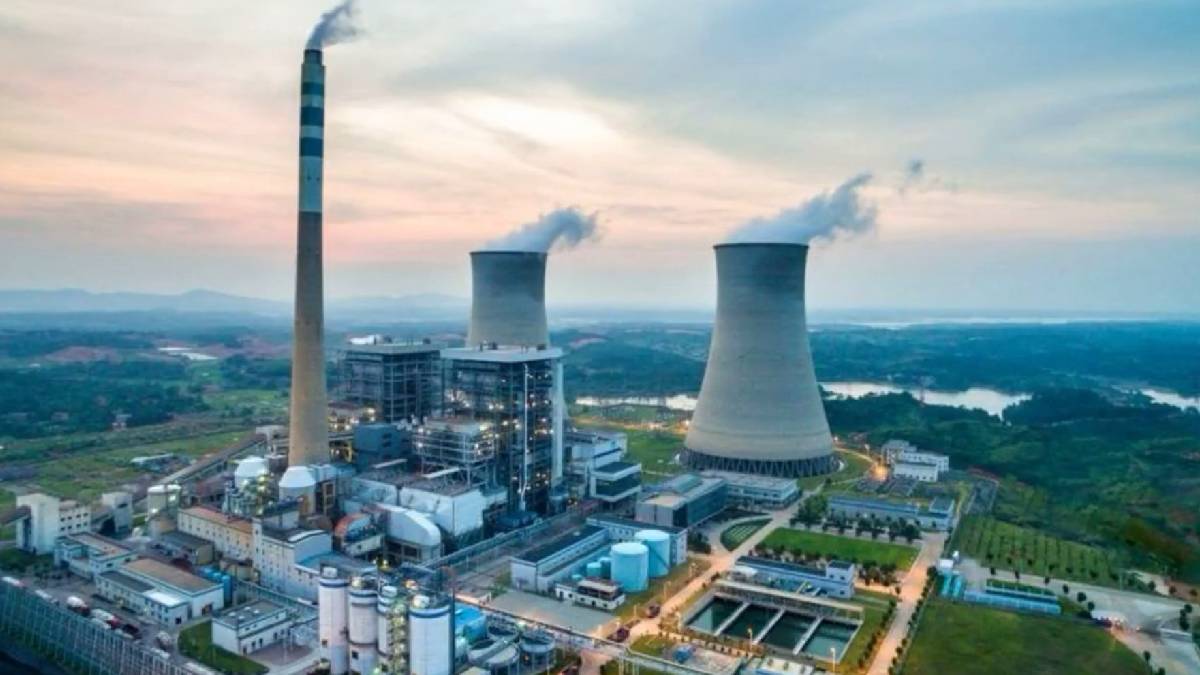
A modern nuclear power plant generates electricity by using the heat produced during nuclear fission to create steam, which drives turbines connected to electricity generators.
Some think growing private participation could accelerate investment, enhance project execution, stimulate technological innovation, and help India achieve its ambitious clean energy targets. And by doing so, increased private involvement might also help to improve domestic manufacturing, create high-skilled jobs, and enhance India’s overall energy infrastructure.
The proposed project will be governed by India’s nuclear regulatory regime. Nuclear facilities are built with multiple layers of safety systems that monitor and work in concert to reduce risk and provide safe power production.
The process of establishing a private nuclear power plant involves environmental clearances, land acquisition, reactor technology selection, regulatory approval, financing, construction, commissioning, and extensive safety tests before commercial operations can begin. These processes typically take several years due to the complexity of nuclear infrastructure.
The initiative also aligns with India's vision of net-zero carbon emissions by 2070. Nuclear energy and renewable sources like solar and wind will continue to be used to cut carbon emissions and provide constant electricity to households, industries, and critical infrastructure.
Industry observers feel that once the first private nuclear project gets implemented, it will lead to even bigger private investments in the sector. That would represent a transformational move in India's energy landscape and would lead to the collaboration of public institutions, private companies, and technology partners worldwide.
While important regulatory, financial, and technical milestones still need to be met before the project is operational, the target of 2032 shows that the government has a vision to modernize the country's nuclear power sector and that the country's nuclear power industry and long-term energy security is going to be better positioned to be modernized and secure at the same time for power generation and the country to be able to grow and to develop nuclear power generation in the long run.
If built as planned, India’s first private nuclear power plant would be a new chapter in the nation’s energy development and will offer a combination of technological breakthroughs, private investment, and tight safety measures to facilitate growth and electricity generation for the country’s future.