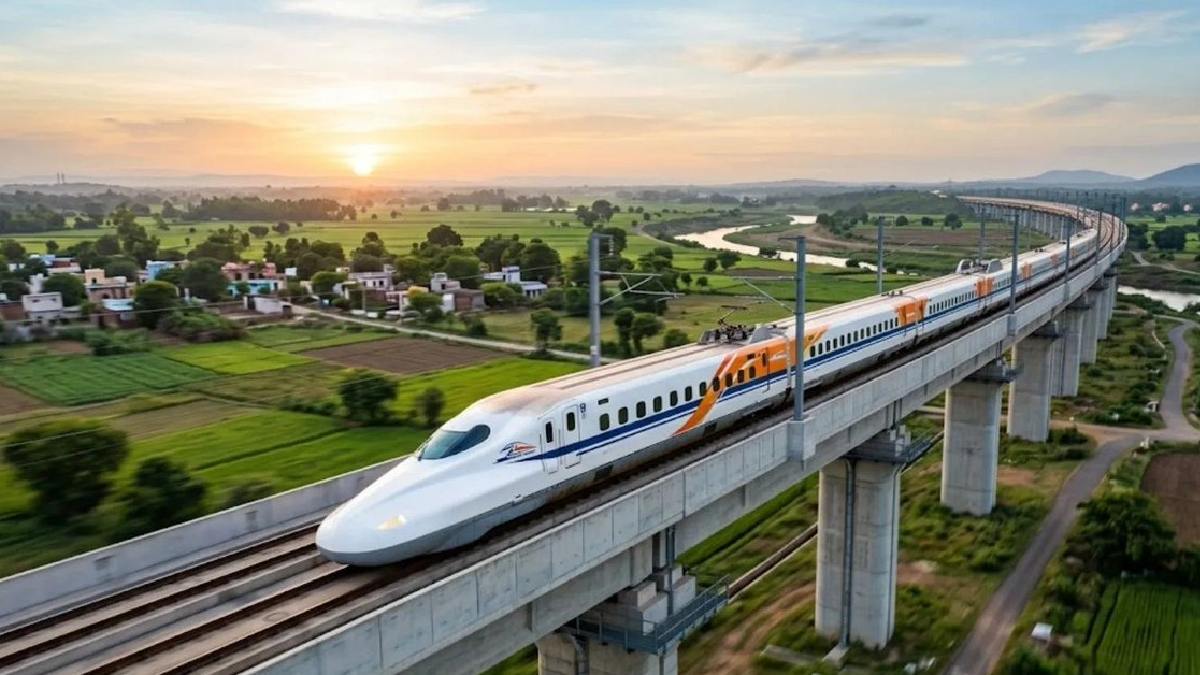
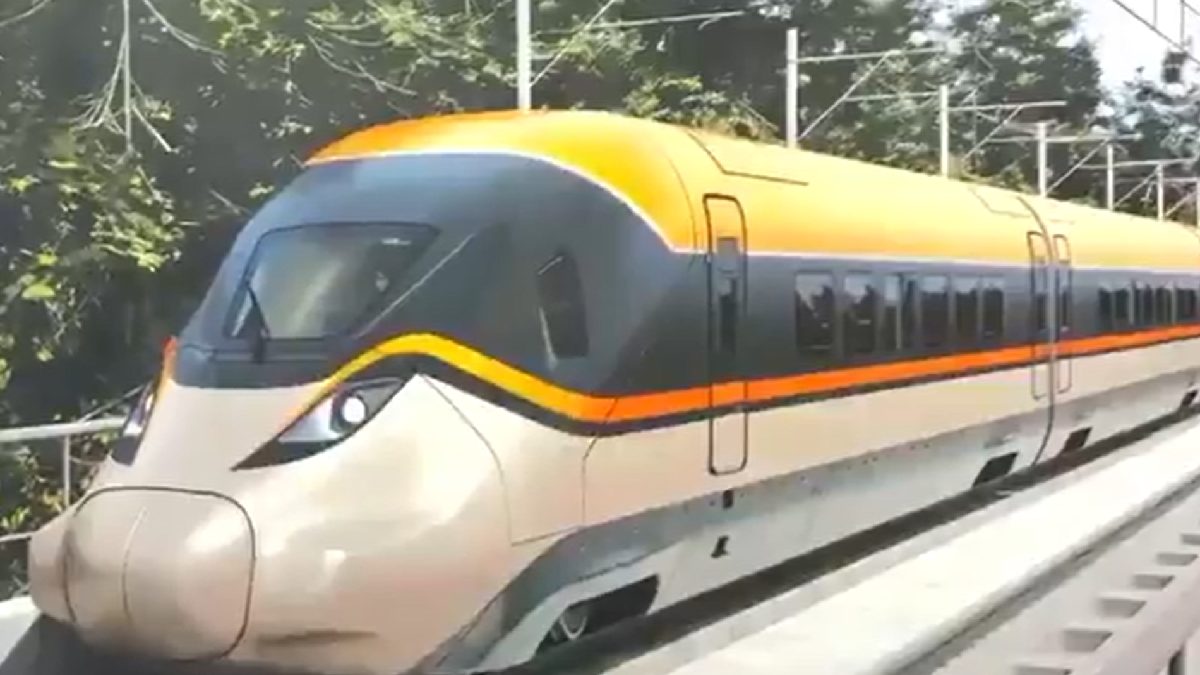
India is heading toward a major step forward in transportation and manufacturing when indigenous bullet trains are going to be introduced on the Mumbai-Ahmedabad High-Speed Rail (MAHSR) line before Japan’s next-generation E10 Shinkansen trains. The move is a sign of India’s increasing ambition to develop world-class rail technology in the name of Make in India, and it also demonstrates the capability to create its own domestic manufacturing technologies.
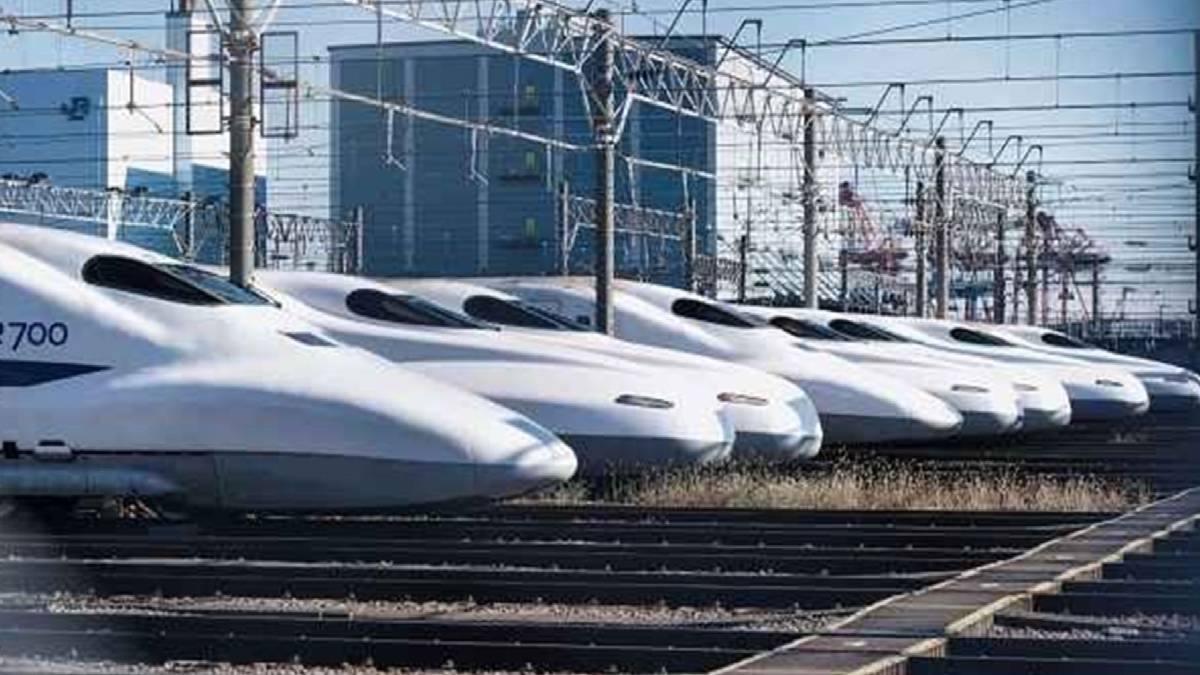
Mumbai-Ahmedabad High-Speed Rail corridor, India's first bullet train project, is one of the country's most ambitious infrastructure developments. The corridor, located along a span of 500 kilometers, is expected to drastically shorten travel time between two major economic centres and to give passengers access to high-speed rail that is at least as good as some of the world’s most advanced railways.
Initially, the project was based on the Shinkansen technology of Japan's famous Shinkansen technology and the E5 series as the technology base in the project. However, in India, the use of domestically-made high-speed trains before the arrival of the advanced E10 Shinkansen is a sign of confidence in the country's engineering ability and the rapidly growing railway manufacturing industry.
The indigenous bullet trains will be designed and manufactured with a large contribution from Indian companies in line with the government's aspiration to build an advanced transportation system in the country. Domestic production will reduce the procurement cost of trains, strengthen local supply chains, create jobs for local people, and help to develop technology in the railway industry.
The high-speed rail project is being implemented with support and cooperation from India and Japan. Japanese know-how in project planning, safety standards, engineering design, and financing has been very instrumental. The next-generation high-speed train, the E10 Shinkansen, which is currently in development by Japan, would enhance operational efficiency and passenger comfort.
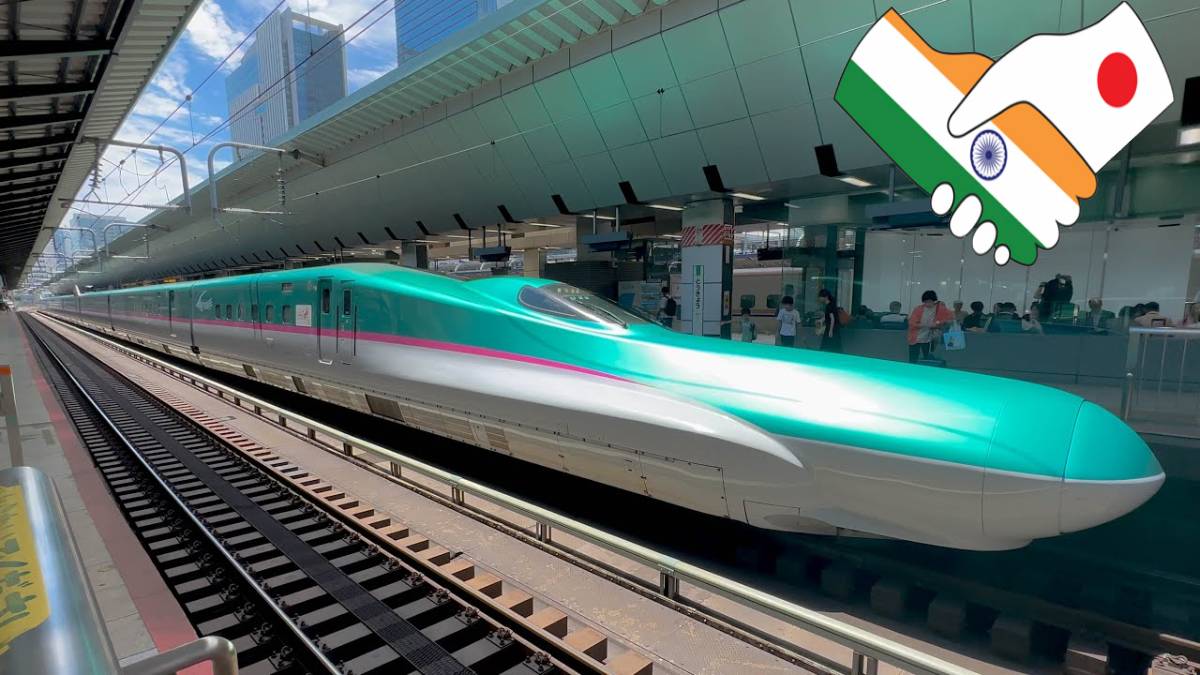
The indigenous trains should have modern passenger amenities— spacious seating, advanced safety systems, real-time passenger information displays, climate-controlled coaches, Wi-Fi connectivity, improved accessibility features and energy-efficient technologies. The trains are also planned to meet international high-speed rail safety standards while operating on the dedicated bullet train corridor.
Construction of the Mumbai-Ahmedabad High-Speed Rail corridor has been progressing in a fast-track format over the past few years (viaducts and bridges construction, tunnel excavation, station construction, and track infrastructure). The corridor will transform intercity travel by reducing journey time and providing a fast, reliable, and environmentally sustainable alternative to road and air transport.
The project will also provide substantial economic benefits. Better connections between Mumbai and Ahmedabad would facilitate trade, tourism, investment, business travel, and economic growth along the corridor. The construction and operation of the high-speed rail network is also creating thousands of jobs across engineering, manufacturing, construction, and the service industry.
Even beyond transportation, the indigenous bullet train initiative is an investment in India’s industrial skills. Developing domestic expertise in high-speed rail technology will enable Indian manufacturers to participate in future railway projects in the country and in the global markets.
The decision to introduce Made-in-India bullet trains ahead of the E10 Shinkansen also underscores India's commitment to technological self-reliance while maintaining a good relationship with Japan. And instead of replacing Japanese cooperation, it is a partnership where local expertise is fused with global experience.
As India gets closer to inaugurating its first high-speed rail corridor, indigenous bullet trains will mark a historic chapter in the nation’s railway history. It symbolizes not only faster travel but also India's emergence as a capable developer and manufacturer of advanced transportation technologies, paving the way for future high-speed rail expansion across the country.