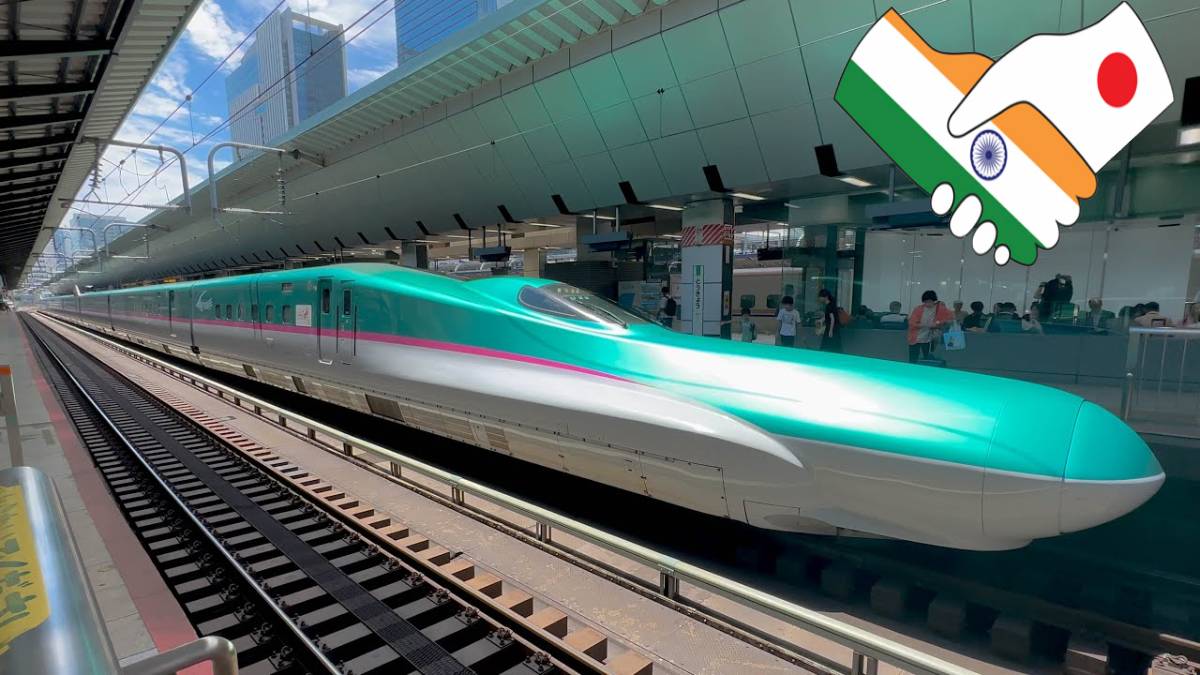
The Central Government has announced seven bullet train corridors connecting the country’s major economic, industrial, technological and tourism hubs. It is a major step toward developing a national high-speed rail network and will change long-distance travel in India.
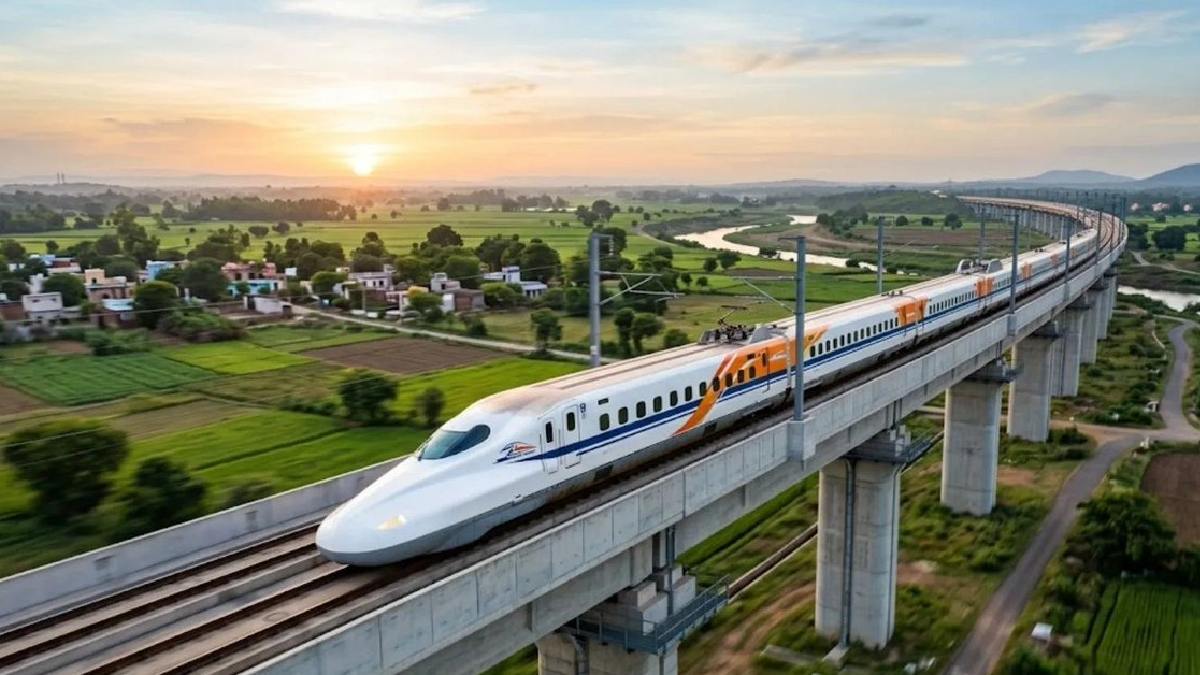
The announcement comes as work continues on India’s first bullet train project, the Mumbai-Ahmedabad High-Speed Rail Corridor. The project has been in progress since 2017 and is widely held to be a game-changer in India’s transportation system. Building on this, the government has now laid out plans for a larger high-speed rail network that will connect major cities across western, southern, northern and eastern India.
Seven new Bullet Train Corridors Approved
The newly approved corridors are:
- Mumbai – Pune
- Pune – Hyderabad
- Hyderabad – Bengaluru
- Hyderabad – Chennai
- Chennai – Bengaluru
- Delhi – Varanasi
- Varanasi – Siliguri
These routes have been strategically chosen to strengthen connectivity between major commercial and population centres and to promote economic development and regional development.
Travel Times to Reduce Dramatically
One of the biggest benefits of the new bullet train network will be the reduction in travel time between major cities. Once operational, long road trips or conventional rail trips could be completed in a fraction of the time.
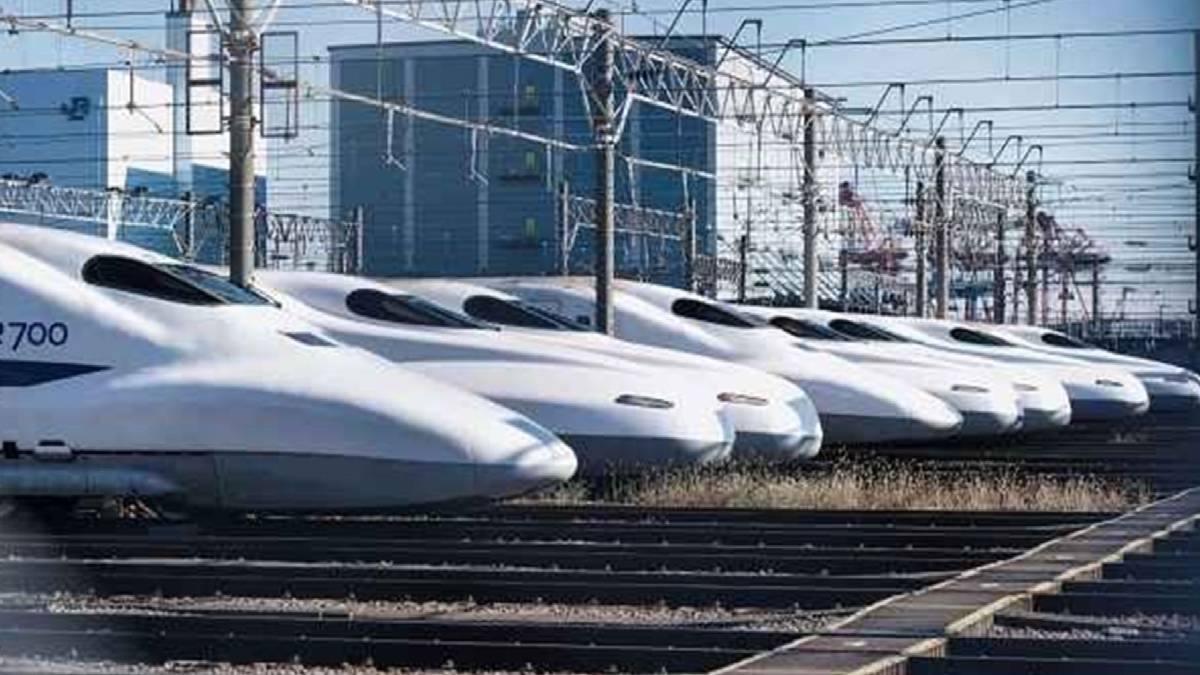
According to projected estimates, travel times are expected to be:
- Bengaluru to Chennai: 1 hour 13 minutes.
- Bengaluru to Hyderabad: 2 hours 10 minutes.
- Mumbai to Pune: 48 minutes.
- Mumbai to Ahmedabad: 1 hour 57 minutes.
- Pune to Hyderabad: 2 hours 8 minutes.
- Delhi to Lucknow: 2 hours.
- Delhi to Varanasi: 3 hours 15 minutes.
- Delhi to Siliguri: Around 6 hours.
The dramatic cut down on travel time will bring back business travel, tourism and economic activity, and will be the most convenient and fastest mode of transportation for people.
Major Benefits for Bihar and Eastern India
In the same breath, Railway Minister Ashwini Vaishnaw said the project will benefit Bihar very much. The Delhi-Varanasi-Patna bullet train corridor that has been approved will connect the capital with the rest of the country and improve the communication between Delhi and eastern India economically.
When it is operational, passengers may be able to travel from Patna to Delhi in approximately 4 hours and 41 minutes, making intercity travel much more convenient than it is today.
The government is also looking to expand the corridor from Bihar to Siliguri in West Bengal. Such an extension would make the linkages across eastern India more robust and better connect the region to the country’s broader economic system.
A New Era for Indian Transportation
The bullet train network will reduce reliance on road and air travel for medium-distance trips. High-speed rail is a sustainable, efficient, and eco-friendly solution to move large numbers of people quickly and safely.
Experts believe this project will generate jobs, stimulate investment and facilitate urban development around major railway hubs. The network could also contribute to reducing traffic congestion and lowering carbon emissions by moving people away from highways and short-haul flights to high-speed trains.
The implementation of these seven new bullet train corridors is an important step forward for India’s road to being the modern infrastructure giant in the future. The high-speed rail network would change the way millions of Indians travel over the next few decades if it is successful.