In a significant step to develop maritime governance and to make the seafaring workforce a better place to work for, India has said it is going to track all Indian seafarers regardless of the flag under which their vessel operates. The initiative will improve national maritime professionals’ supervision, speed up emergency response and ensure a country’s maritime professionals are trained and comply with international shipping standards.
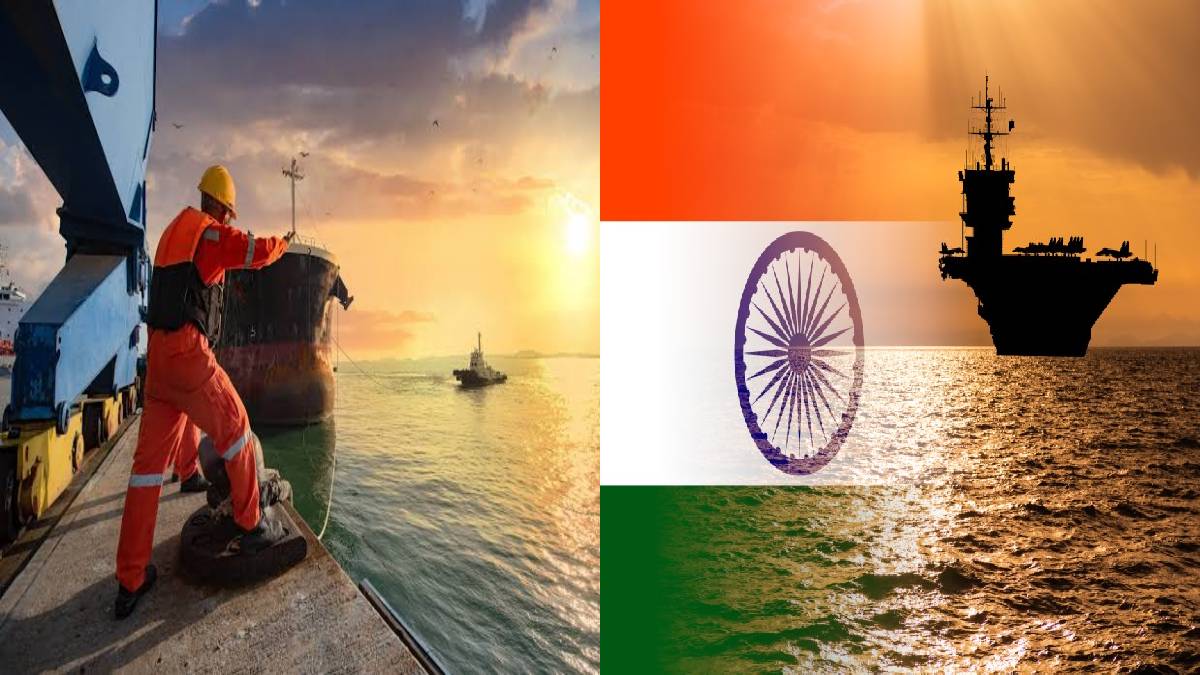
India is one of the world’s leading suppliers of skilled maritime professionals, with hundreds of thousands of Indian seafarers working on merchant vessels worldwide. These professionals work aboard ships registered under various national flags, sometimes called “flags of convenience,” and are not easily available to authorities for real-time information on their deployment and welfare.
The proposed tracking mechanism will establish a centralized database that keeps track of the employment status of all Indian seafarers, vessel details, location information, certifications, and service history, irrespective of where their ships are registered. This will help Indian maritime authorities to better keep their eyes on citizens working in foreign waters.
One of the primary objectives of the initiative is to improve the safety and security of Indian seafarers. The time it takes for disaster response to happen in an emergency like piracy, armed conflicts, natural disasters, medical emergencies, or geopolitical conflict will be more efficient, and there will be a more rapid response for the affected people and efficient evacuation or assistance of such affected people to the evacuation or assistance work.
The move also addresses problems that emerged during recent global disruptions like the COVID-19 pandemic and regional conflicts where thousands of seafarers faced prolonged deployments, travel restrictions, and crew changes. Keeping updated records will help the government respond better in the future.
In addition to safety, the system will also help to improve regulatory oversight. In doing so, certifications can be verified, contract fulfillment can be ensured, and Indian seafarers can be hired through approved recruitment channels. This could be a checkmate for fraudulent recruiting, and adherence to international labor standards could be enhanced.
And it is also likely to help employers and shipping companies by streamlining administrative processes. A centralized digital platform would allow for easier qualification verification, licensing, medical certifications, and employment records verification, and reduce paperwork and improve operational efficiency.
The maritime sector has developed throughout the last decade in India and has grown and developed significantly - digitalization, port modernization, and global competitiveness are the major aspects of the new maritime sector. To develop the shipping infrastructure and to make India the leading maritime nation, the Government has introduced several initiatives. This country's national tracking system complements these efforts by focusing on the country's highly valued human capital.
The initiative is consistent with international maritime conventions that focus on seafarers’ welfare, training, and safety. Better tracking may also help in compliance with certification requirements or work conditions, and by factoring in periodic renewals of required qualifications.
For Indian seafarers, the new system may be of much greater assistance to them, so that the government can reach them in times of need. Whether on ships registered in Asia, Europe, the Middle East, or elsewhere, they would be united in a universal national system to serve their interests.
Industry experts believe that the centralized tracking platform may also provide valuable data for workforce planning. Policymakers could study employment trends, demand for specialized skills, training requirements, and deployment patterns to better train future seafarers and to make sure that schools and maritime training centers are able to prepare them.
As global shipping becomes more and more interconnected, digital solutions are key to maritime operations. India's decision to track every seafarer, regardless of vessel flag, is a forward-looking approach that combines technology with governance and welfare and is in line with one of the country’s most globally mobile workforces.
If successful, the initiative will serve as a benchmark for maritime administration and will strengthen emergency preparedness, transparency and India’s commitment to protecting its seafarers wherever they serve around the world.