India will also develop ties with Central Asia with a series of diplomatic and cultural activities in Uzbekistan and the Kyrgyz Republic in the coming days. The visit will see an opportunity to deepen the ties, discuss areas of mutual interest, and take part in multilateral negotiations.
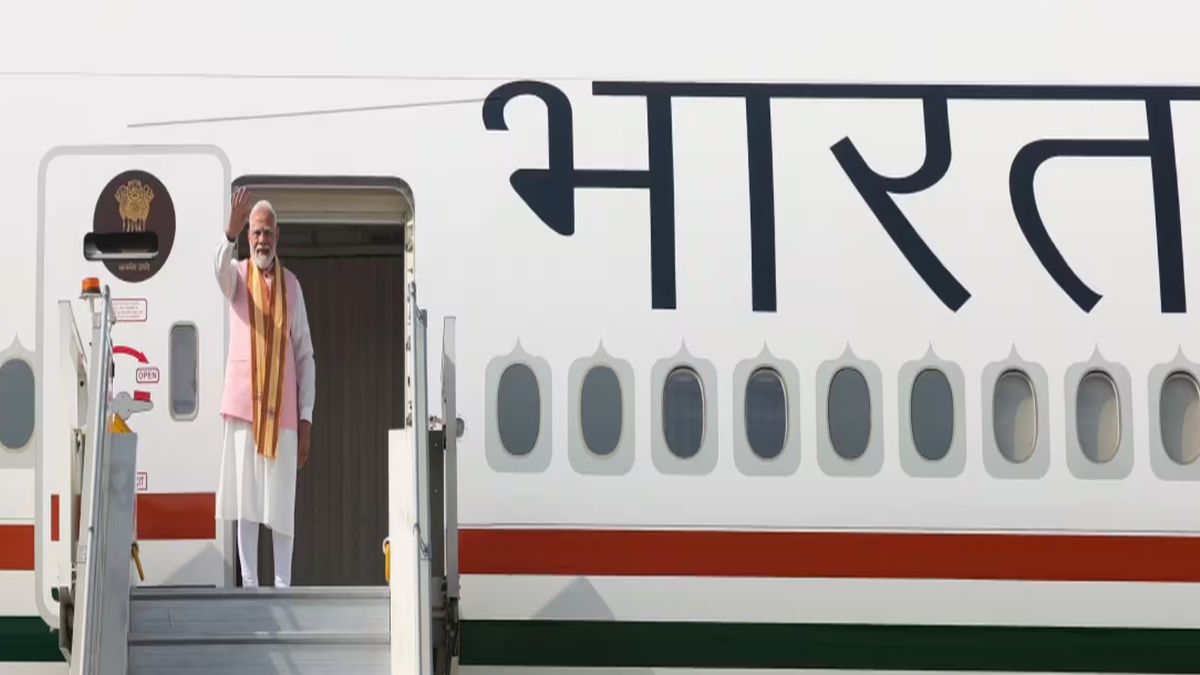
A major focus of the programme will be a bilateral meeting with Uzbek President Shavkat Mirziyoyev and to build on India-Uzbekistan friendship.
Tashkent is expected to be an important stop during the visit, with bilateral discussions central to India's engagement with Uzbekistan. India and Uzbekistan have been in good relations for years in many fields including trade, education, culture, connectivity, security and people-to-people interaction.
When such interactions between both sides (for instance, President Mirziyoyev's visit) will be held high-level diplomatic meetings, both sides can assess the existing cooperation and look forward to different areas of interaction.
The proposed programme also has a cultural dimension of its own. A visit to the Shastri Memorial in Tashkent would be an indication of the historical relationship of India and Uzbekistan. Lal Bahadur Shastri, India's second Prime Minister, is still very much involved in India's relationship with the region. And his connection with Tashkent is particularly significant as he died in the Uzbek capital in January 1966 and came shortly after the signing of the Tashkent Declaration between India and Pakistan.
Another important stop on the programme is the Mahatma Gandhi Centre at Tashkent State University of Oriental Studies. This visit is expected to underscore how Mahatma Gandhi's influence on Indian society and the development of India’s peace and non-violence is still strong. Institutions that are based on Gandhi’s ideas can also be a platform for Indian academic and cultural exchanges with Uzbekistan.
The Central Asian outreach will continue in the Kyrgyz Republic, where multilateral and bilateral meetings are scheduled around the Shanghai Cooperation Organisation summit in Bishkek. The SCO is a crucial forum for India to engage with other member states in regional security and economic cooperation, connectivity, trade, culture and people-to-people relations.
India’s participation in the SCO Summit is important now because it brings together the large countries of Asia and Eurasia. At the summit, leaders have a forum to discuss regional dynamics and take positions on issues that will affect the wider region. India’s bilateral talks on the sidelines might also help in the wider diplomatic engagement beyond the formal summit agenda.
Bishkek, the capital of Kyrgyzstan, will be the centre of India’s multilateral diplomacy. India's meetings with leaders and representatives from other SCO members can also help to discuss bilateral cooperation as well as broader regional priorities. India's engagement with the SCO is in line with its broader aim of relations with Central Asian countries.
India’s relationship with Central Asia has been increasing strategic significance in recent years. Connectivity, energy, trade, security and cultural ties are all very much relevant within the region. India's relationship with countries such as Uzbekistan and Kyrgyzstan is part of a larger approach to deepening the collaboration across Eurasian countries.
Uzbekistan has become an important partner for India in Central Asia in particular. These two countries are linked economically, culturally and socially through commerce, culture and education. Cooperation in contemporary areas are now being expanded to pharmaceuticals, information technology, agriculture, defence and economic exchanges. There can be further high-level dialogue to explore and build on such partnerships.
Kyrgyzstan is very important to India's Central Asian engagement. India and Kyrgyzstan have developed cooperation in education, defence training, culture and economic relations. Now, India's participation in the SCO Summit in Bishkek can help develop these ties further and also help in the discussion of regional cooperation.
Over the next few days, will be in Uzbekistan and the Kyrgyz Republic.
— Narendra Modi (@narendramodi) August 29, 2026
The programmes include:
Bilateral talks with President Shavkat Mirziyoyev in Tashkent to improve the India-Uzbekistan friendship.
Visit to the Shastri Memorial and the Mahatma Gandhi Centre at the…
So the planned programmes combine diplomacy, culture and multilateral engagement. From discussions with President Mirziyoyev in Tashkent to visits to India’s historical and cultural legacy to the SCO Summit in Bishkek, the visit will show the many dimensions of India’s engagement with Central Asia.
As the programme progresses, attention will be on the results of bilateral conversations and discussions on the SCO discussions, and any announcement on future cooperation. The visit is proof that India is still very much committed to forging closer relations in Central Asia and will continue to do so in both bilateral and multilateral venues and in line with the mutual interests of both countries on the ground. It also shows that history, culture and strategic goals are increasingly converging in India’s foreign policy engagement in the region.